
Author

sfym1

Browsing

Unlock the Secrets of Health with Fasting and Nutrition: Free 102-Page Ebook!

Are you ready to take control of your health in a natural, sustainable way? Whether you’re interested in boosting your energy, improving digestion, or supporting your immune system, understanding the powerful role of fasting and nutrition is key.

Today, we’re offering you a free 102-page ebook: “The Role of Fasting and Nutrition in Health”, packed with valuable insights on how these two pillars of wellness can transform your life.

What You’ll Discover in This Ebook:

  • The Science Behind Fasting: How fasting works with your body’s natural rhythms to cleanse and rejuvenate.
  • Types of Fasting: From intermittent fasting to longer fasting practices, find out which method works best for your lifestyle.
  • Nutritional Wisdom: Learn about the importance of nutrient-dense foods and how to support your body during fasting.
  • Herbal Support: Discover which herbs can enhance the fasting process and help maintain balance in your body.
  • Practical Tips: Step-by-step guidance to start fasting safely and effectively, and how to integrate it into your daily life.

Why Fasting and Nutrition Are Powerful Tools for Health

In today’s fast-paced world, we often find ourselves overwhelmed by unhealthy eating habits, stress, and a lack of self-care. Fasting, when done properly, can be a powerful tool for detoxification, weight management, and even mental clarity. When combined with the right nutrition, fasting can provide lasting benefits for both your physical and mental well-being.

This ebook is designed for those who want to learn about these ancient practices and use them to thrive in today’s world. Whether you’re new to fasting or have some experience, this guide offers something for everyone, with simple and actionable advice to help you on your wellness journey.

Why We’re Offering This Ebook for Free

We believe that everyone deserves access to knowledge that can help them improve their health naturally. Our blog is dedicated to providing value, insights, and resources related to herbalism and alternative medicine. By offering this free ebook, we hope to inspire and empower you to explore the healing potential of fasting and nutrition in your own life.

How to Get Your Free Ebook

Getting your hands on this ebook is simple! Just click the link below, and you’ll be able to download your free copy of “The Role of Fasting and Nutrition in Health”.

We’re excited to share this resource with you, and we can’t wait to hear about how fasting and nutrition help improve your health and well-being. If you have any questions, feel free to reach out or leave a comment below. And remember, health is a journey—take it one step at a time with knowledge and intention.

Stay healthy, naturally! 🌿

There are many herbs that are believed to be helpful in managing depression symptoms. However, it’s important to note that herbs should never be used as a substitute for professional medical advice and treatment. Here are 10 herbs that are often recommended for depression:

  1. St. John’s Wort: This herb is one of the most popular natural remedies for depression. It’s believed to work by increasing the levels of serotonin in the brain.
  2. Lavender: Lavender is known for its calming and relaxing properties, which can help ease anxiety and depression symptoms.
  3. Chamomile: Chamomile is a gentle herb that can help reduce anxiety and promote relaxation. It’s often used to help people sleep better, which can be especially helpful for those with depression.
  4. Ashwagandha: This herb is an adaptogen, which means it helps the body cope with stress. It may also help regulate cortisol levels, which can be elevated in people with depression.
  5. Rhodiola: Rhodiola is another adaptogenic herb that may help reduce symptoms of depression and anxiety.
  6. Passionflower: This herb is often used to help ease anxiety and promote relaxation.
  7. Lemon balm: Lemon balm is a mild sedative that may help reduce anxiety and promote relaxation.
  8. Ginseng: Ginseng is an adaptogenic herb that may help reduce symptoms of depression and anxiety.
  9. Valerian: Valerian is a sedative herb that may help reduce anxiety and promote relaxation.
  10. Saffron: Saffron is a spice that has been studied for its potential antidepressant effects. It may help regulate levels of serotonin and other neurotransmitters in the brain.

What is the significance of white spots on nails? Nails serve a crucial purpose beyond their aesthetic value. They play a vital role in maintaining proper bodily function by safeguarding nerve endings and skin on the fingers and toes. Additionally, they enhance the hand’s ability to perform delicate movements and increase the fingers’ tactile sensitivity.

Examining the appearance of nails is a critical diagnostic factor. Alterations in their appearance are often the initial indicator of health concerns, diseases, poisoning, or imbalances in micronutrients, macronutrients, and vitamins. Discoloration, thickening, or excessive splitting of nails should not be disregarded, and any abnormal changes should be discussed with a medical professional.

The most common change on the nail plates are white spots. They are not only an aesthetic defect, but can also indicate a more serious health problem. They can occur on one nail or several at once, in the form of single points or clusters. It is important to know what causes them.

How is a nail built?
Nails are a product of the stratum corneum. The main building component of the nail plate is keratin – a simple protein of a fibrous nature, consisting of several types of amino acids, the most important of which are cysteine and melatonin.

White Marks on Nails: Causes, Diagnosis, and Treatment. Discover the reasons why white marks or spots may appear on your nails, and how to diagnose and treat this common condition. Learn about the most effective ways to manage and prevent nail discoloration, and tips for maintaining healthy nails. This comprehensive guide provides a deep dive into the topic of nail health, with practical advice and expert insights for those looking to improve the appearance and condition of their nails.

Other components that build the nail are:

The nail is composed of several different components that work together to create its structure and function. Some other components that build the nail are:

  • water,
  • lipids,
  • sulfur,
  • calcium,
  • iron,
  • zinc,
  • phosphorus,
  • other macro- and micronutrients in smaller amounts.

The size, shape, and thickness of the nail vary from person to person. Nails grow on average about 3-4 mm per month. To complete the new nail plate on the hands, takes about 5 months (faster on the dominant hand), and on the feet, where the nails grow slower, about 12–18 months. The growth rate of nail plates is influenced by:

  • lifestyle,
  • age,
  • diet,
  • season.
  • Diseases associated with epidermal proliferation disorders (psoriasis) accelerate nail growth, while severe systemic diseases and conditions with reduced blood supply slow down this process.

The nail plate consists of 100-150 layers of nail corneocytes, which are irregularly distributed and arranged in a tile-like manner, one on top of the other. Its thickness is from 0.5 to 0.7 mm. It is made of three layers:

dorsal (keratinized cells closely adhering to each other),
indirect (softer, cells adhere more loosely to each other),
internal (produced by a thin layer of epithelium).
Nail bed
The placenta is located below the nail plate and is very well vascularized and innervated. The part of the placenta that is highly vascularized and innervated is the matrix.

Mother
This is the most important and sensitive element of the nails. Its damage causes a visible defect of the nail. On the matrix, nail growth begins.

Nail bulb
The lunula is the transition between the matrix and the nail plate. It usually does not occur on the smallest finger, the largest is on the thumb. It is less supplied with blood, soft, and very sensitive.

nail roller
We distinguish the lateral and posterior nail folds, which are made of the dermis covered with the epidermis.

Epidermal labrum
The epidermal labrum is an invisible part of the back of the nail shaft and spreads under the nail skin. It is a natural skin fold that is attached to the ridge of the nail plate. It is visible as a colorless, exfoliating epidermis. It should be even, adhere well, and firmly frame the lunula. It protects the nail against contamination with bacteria and microorganisms.

What do white lesions on nails mean?
White spots on the nails are professionally referred to as leukonychia (the name comes from the Greek leuko – white and onyx – nail), i.e. vitiligo of the nails. They can be a sign of many diseases, and nutrient, and mineral deficiencies, but also of mechanical damage to the plate (e.g. as a result of an impact or improperly performed manicure).

It’s considered good practice to analyze thoroughly your overall health state via modern medical measures. It will give you the best of both worlds. Both wisdom and modern medicine.
Don’t underestimate the signs your body is giving to you. Your body operates under the natural law of cause and reaction. Pay attention and you shall be rewarded.

There are several herbs that may help alleviate symptoms of menopause, although it’s important to note that the scientific evidence supporting their use is limited, and you should always speak to your doctor before trying any new herbs or supplements.

Here are a few herbs that have been traditionally used to alleviate menopause symptoms:

  1. Black cohosh: Black cohosh is a popular herb used to alleviate hot flashes, mood swings, and other menopause symptoms. Some studies have suggested that it may be helpful, although more research is needed to confirm its effectiveness.
  2. Red clover: Red clover contains isoflavones, which are phytoestrogens that may help alleviate menopause symptoms. However, more research is needed to determine its effectiveness.
  3. Dong quai: Dong quai is a traditional Chinese herb that has been used to alleviate menopause symptoms, including hot flashes, mood swings, and vaginal dryness. However, there is limited scientific evidence supporting its use.
  4. Evening primrose oil: Evening primrose oil contains gamma-linolenic acid, which is an essential fatty acid that may help alleviate hot flashes and other menopause symptoms. However, more research is needed to confirm its effectiveness.
  5. Sage: Sage is an herb that may help alleviate hot flashes and night sweats. However, more research is needed to determine its effectiveness.

It’s important to note that some herbs can interact with medications or cause side effects, so it’s always a good idea to talk to your doctor before trying any new herbs or supplements.

Negative emotions such as anger, fear, sadness, and chronic stress are more than just fleeting feelings—they can leave a lasting imprint on the body. Modern science increasingly recognizes the profound connection between emotional well-being and physical health, while holistic traditions have long emphasized the importance of balance in mind and body. In this article, we’ll explore how negative emotions affect the body and how natural herbs can support the healing process. Check out our recommended herbal supplements here.

The Physical Toll of Negative Emotions

When negative emotions persist, they activate the body’s stress response. This response, also known as the “fight or flight” reaction, triggers a cascade of physiological changes:

  1. Hormonal Imbalance: Chronic stress elevates cortisol levels, which can suppress the immune system, disrupt sleep, and impair digestion. Over time, this can lead to chronic fatigue and adrenal burnout.
  2. Cardiovascular Strain: Negative emotions increase heart rate and blood pressure, contributing to a higher risk of heart disease and strokes. Stress hormones like adrenaline keep the heart overworked, creating long-term strain.
  3. Digestive Issues: Stress and anxiety can lead to problems like acid reflux, irritable bowel syndrome (IBS), and appetite changes. The gut-brain connection is significant, and unresolved emotions often manifest as digestive discomfort.
  4. Weakened Immunity: Emotional distress can reduce the body’s ability to fend off infections and slow down recovery. Frequent illnesses may be a sign of emotional overload.
  5. Chronic Inflammation: Persistent stress and negative emotions are linked to systemic inflammation, a key factor in conditions such as arthritis, diabetes, and autoimmune diseases. Find inflammation-fighting herbal blends here.

Herbs to Support Emotional and Physical Healing

Nature offers a wealth of herbs that can help calm the mind, balance emotions, and support physical healing. Here are some of the most effective options:

-58%
Ashwagandha Tablets Male Enhancing Supplement , Energy Endurance, Men's Muscle Enlargement, Supports Reproductive Health
Aliexpress
$9.87 $23.51
Ashwagandha Tablets Male Enhancing Supplement , Energy Endurance, Men's Muscle Enlargement, Supports Reproductive Health
-67%
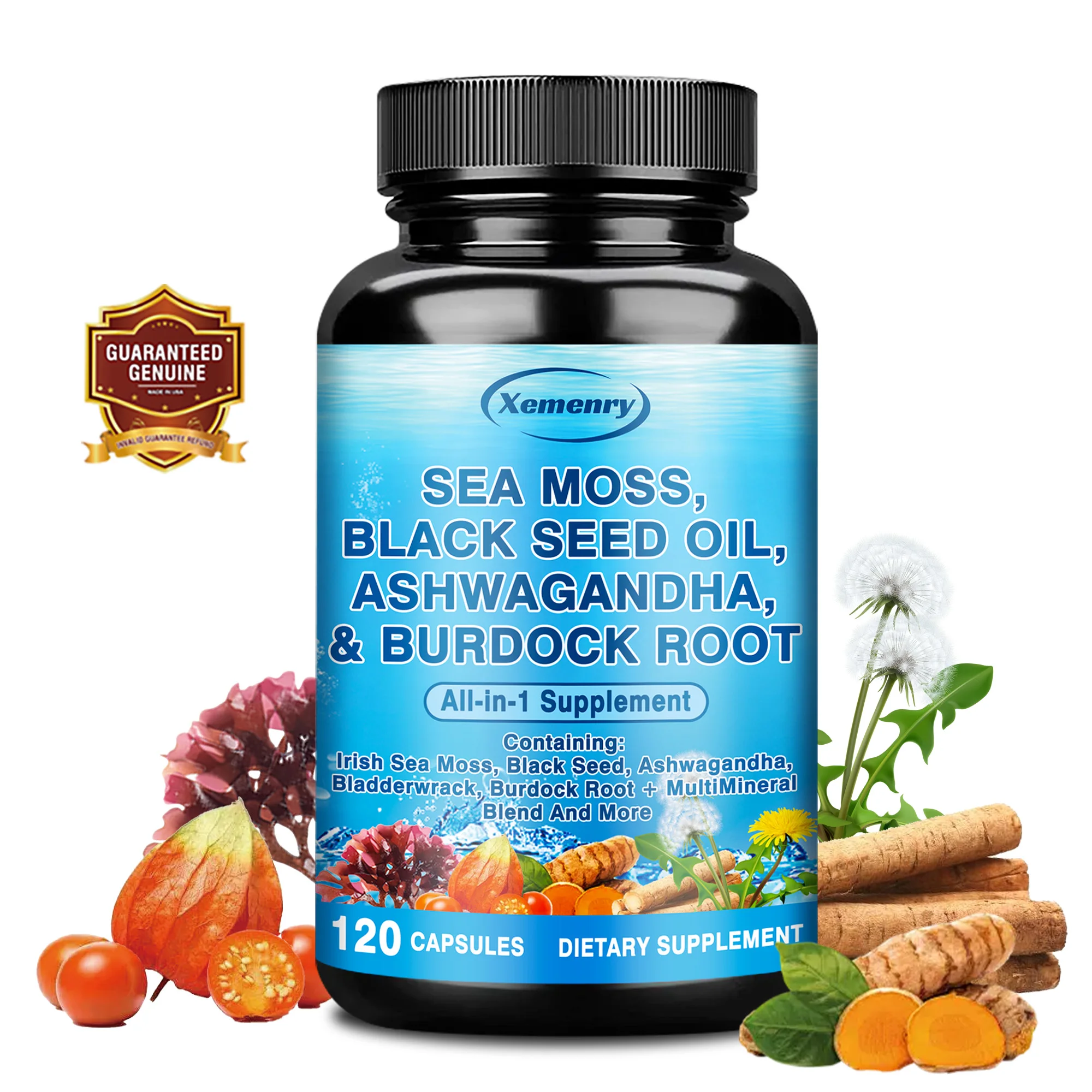
Sea Moss, Black Seed Oil, Ashwagandha & Burdock Root - Provide Energy and Enhance Immunity - 120 Capsules
Aliexpress
$7.68 $23.74
Sea Moss, Black Seed Oil, Ashwagandha & Burdock Root - Provide Energy and Enhance Immunity - 120 Capsules
-68%
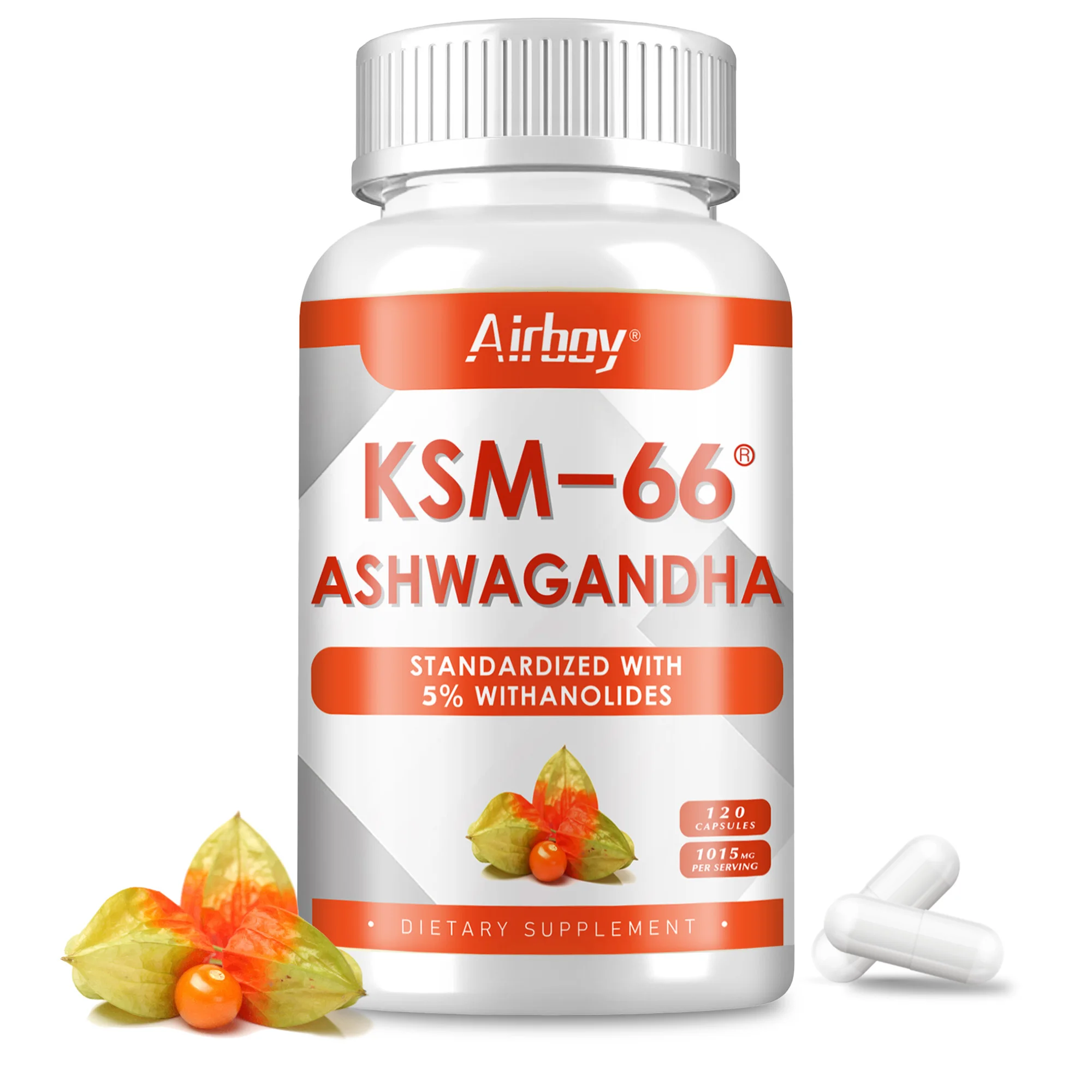
KSM-66 Ashwagandha Root Extract - Improve Mood, Relieve Stress, Promote Brain Development,Promote Healthy Sleep - 120 Capsules
Aliexpress
$10.24 $32.00
KSM-66 Ashwagandha Root Extract - Improve Mood, Relieve Stress, Promote Brain Development,Promote Healthy Sleep - 120 Capsules
-67%
BellaPaz Bundle: Sea Moss 7000mg, Black Seed Oil 4000mg, Ashwagandha 2000mg, Ginger, Shilajit 9000mg, Ginseng 1500mg (2 Bottles)
Aliexpress
$10.97 $34.27
BellaPaz Bundle: Sea Moss 7000mg, Black Seed Oil 4000mg, Ashwagandha 2000mg, Ginger, Shilajit 9000mg, Ginseng 1500mg (2 Bottles)
-67%
Ashwagandha Capsules - Supports Energy, Reduces Anxiety, Relaxation, Improving Sleep, Enhancing Immunity - 120 Capsules
Aliexpress
$6.97 $21.54
Ashwagandha Capsules - Supports Energy, Reduces Anxiety, Relaxation, Improving Sleep, Enhancing Immunity - 120 Capsules
-67%
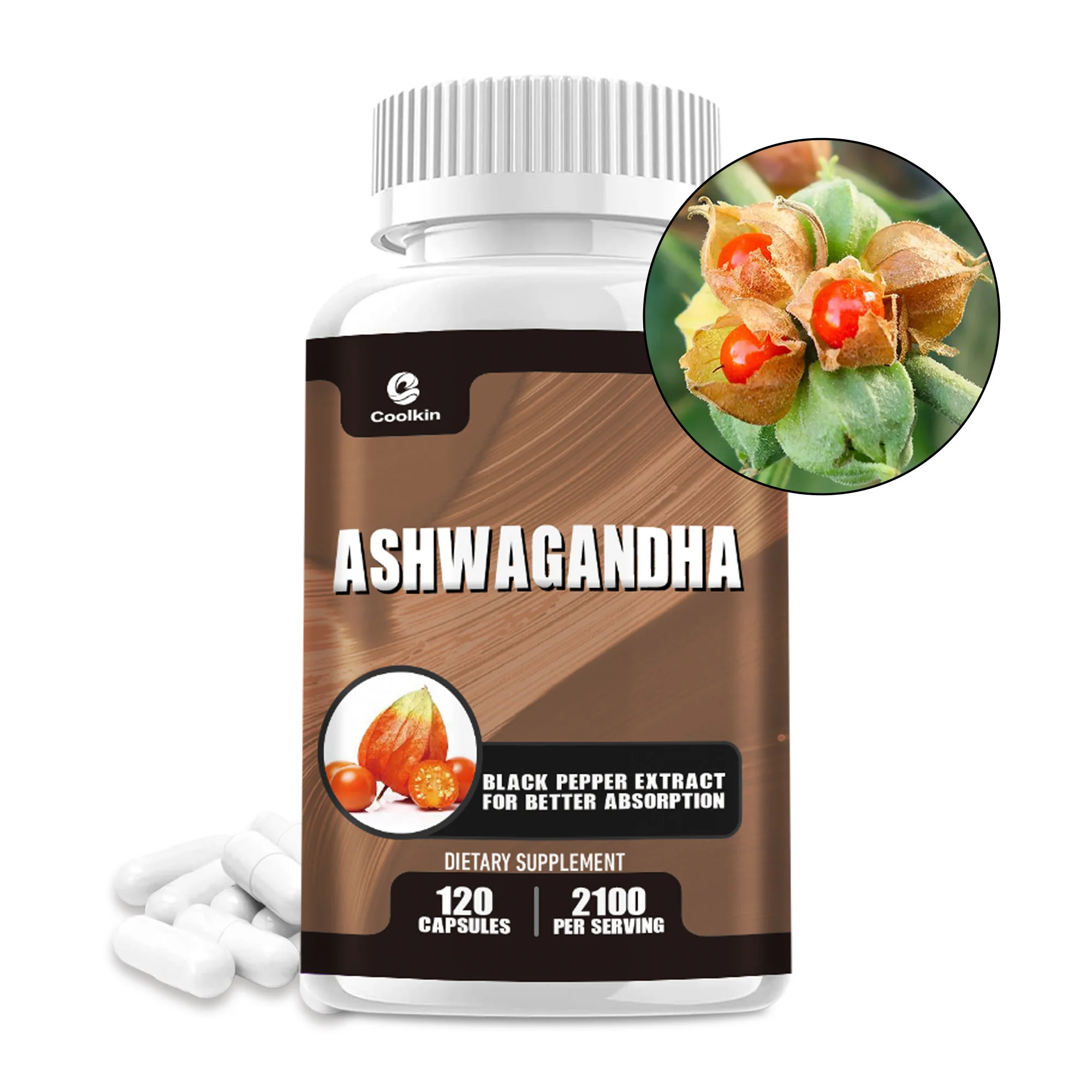
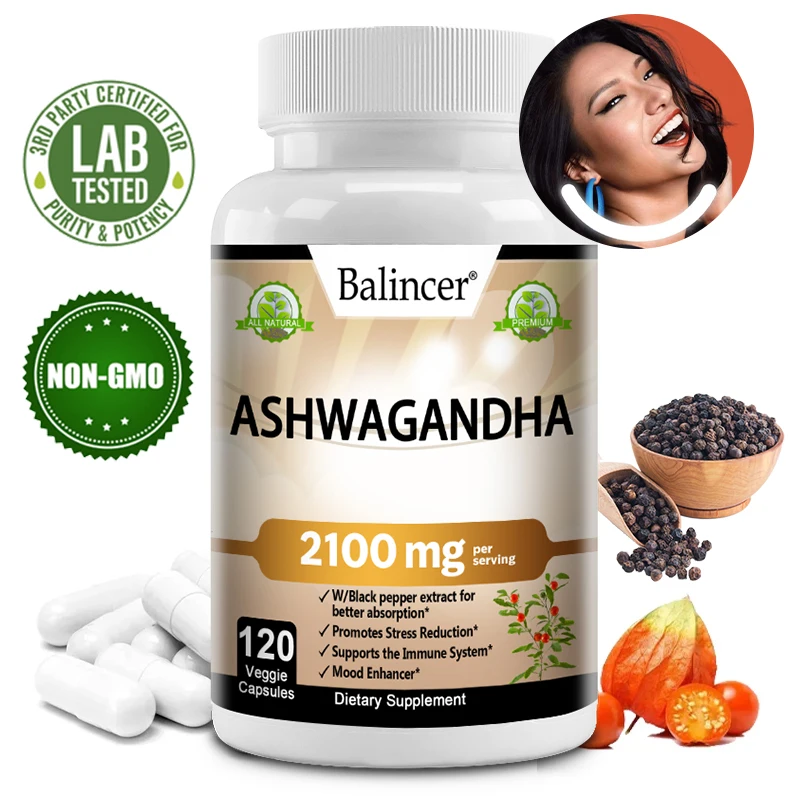
Organic Ashwagandha 2,100 Mg - Stress Relief, Mood Improvement, Immune and Thyroid Support
Aliexpress
$8.09 $25.00
Organic Ashwagandha 2,100 Mg - Stress Relief, Mood Improvement, Immune and Thyroid Support
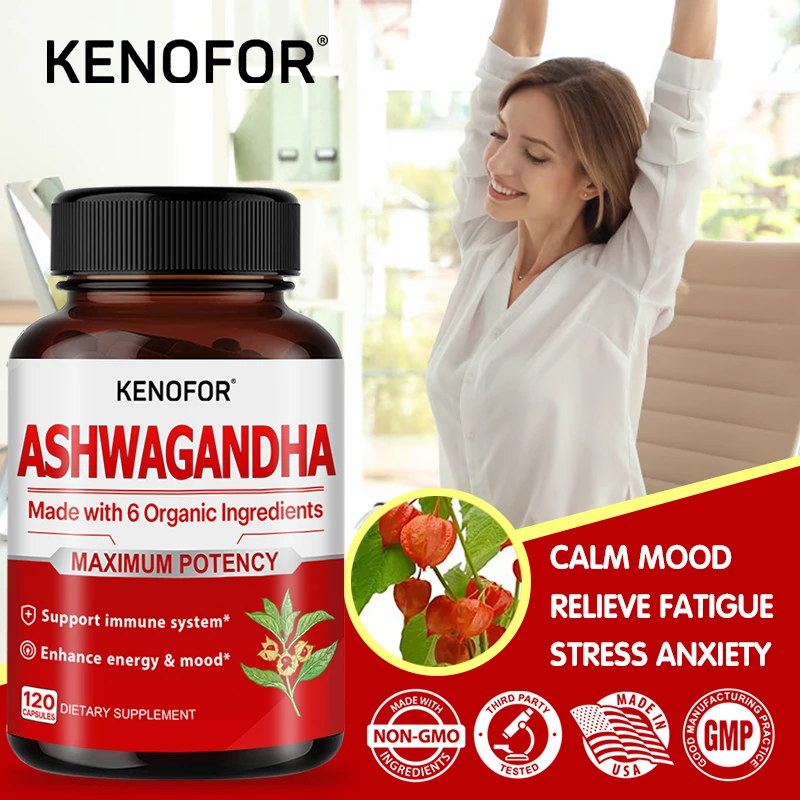
  1. Ashwagandha (Withania somnifera)
    • Known as an adaptogen, ashwagandha helps the body manage stress by reducing cortisol levels. It also promotes better sleep and enhances resilience to emotional stressors. Shop premium ashwagandha supplements here.
  2. Chamomile (Matricaria chamomilla)
    • A classic remedy for anxiety and insomnia, chamomile’s calming properties can soothe the nervous system and reduce muscle tension. Ideal as a tea for evening relaxation. Discover organic chamomile teas here.
  3. St. John’s Wort (Hypericum perforatum)
  4. Passionflower (Passiflora incarnata)
    • Effective for anxiety and insomnia, passionflower works by increasing gamma-aminobutyric acid (GABA) levels in the brain, promoting relaxation. Browse passionflower tinctures here.
  5. Turmeric (Curcuma longa)
  6. Lavender (Lavandula angustifolia)
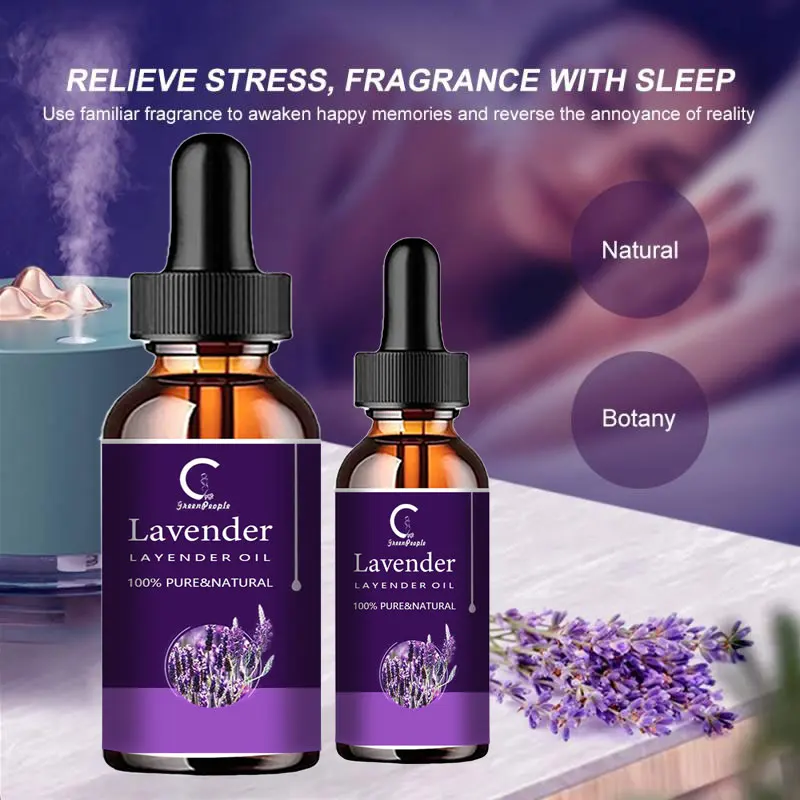
    • Lavender is renowned for its ability to ease anxiety and improve mood, whether used as a tea, essential oil, or supplement. It’s also a favorite for aromatherapy. Shop lavender essential oils here.
  7. Lemon Balm (Melissa officinalis)
-52%
EELHOE 100ml Chamomile Bath Oil Gentle Cleansing Plant Essence Moisturizing Nourishing Skin Smooth, Refreshing and Purifying
Aliexpress
$6.71 $13.99
EELHOE 100ml Chamomile Bath Oil Gentle Cleansing Plant Essence Moisturizing Nourishing Skin Smooth, Refreshing and Purifying
-66%
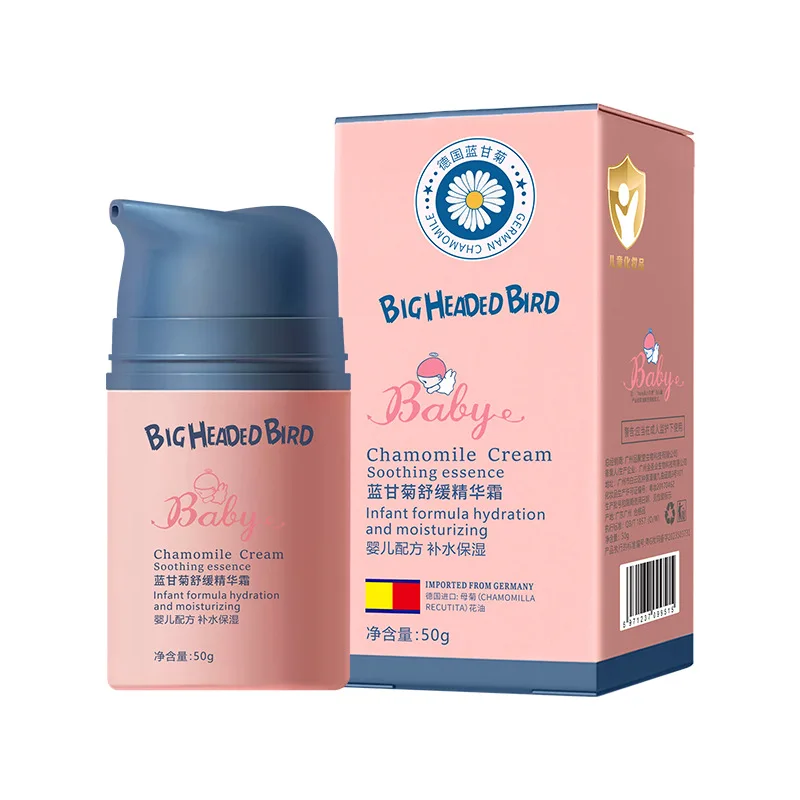
0-12 Years Baby and Children's Face Cream Chamomile Soothing Essence Cream Moisturizing Skin Anti Chap All Year Round
Aliexpress
$5.92 $17.42
0-12 Years Baby and Children's Face Cream Chamomile Soothing Essence Cream Moisturizing Skin Anti Chap All Year Round
-49%
High Quality Natural Chamomile Dried Flower Feverfew Mix Flower For Wedding Decoration Soap Candle Making Materials
Aliexpress
$4.61 $9.21
High Quality Natural Chamomile Dried Flower Feverfew Mix Flower For Wedding Decoration Soap Candle Making Materials
Hand Cream Moisturizing Preventing Dryness Anti Cracking Tender Skin Exfoliating Scrub Hand Care Rose Sakura Olive Chamomile 30g
Aliexpress
$13.79
Hand Cream Moisturizing Preventing Dryness Anti Cracking Tender Skin Exfoliating Scrub Hand Care Rose Sakura Olive Chamomile 30g
-30%
Fragrant Natural Chamomile Dried Flowers Top Chrysanthemum Parthenium For Diy Candle Soap Perfume Making Sachet Pillow Filling
Aliexpress
$4.32 $6.26
Fragrant Natural Chamomile Dried Flowers Top Chrysanthemum Parthenium For Diy Candle Soap Perfume Making Sachet Pillow Filling
-30%
5pcs/box Steam Hot Compress Eye Mask Wormwood Chamomile Lavender Health Care Spot Household Moxa Velvet Wake Up
Aliexpress
$11.62 $16.60
5pcs/box Steam Hot Compress Eye Mask Wormwood Chamomile Lavender Health Care Spot Household Moxa Velvet Wake Up

Incorporating Herbs into Your Healing Routine

To make the most of these herbs, consider incorporating them into your daily routine through teas, tinctures, capsules, or essential oils. For example:

  • Morning Rituals: Start the day with a calming cup of chamomile or lemon balm tea to center yourself before a busy day.
  • Midday Stress Relief: Take ashwagandha or passionflower as a supplement to combat stress during hectic moments. Find midday stress relief solutions here.
  • Evening Relaxation: Use lavender essential oil in a diffuser or as part of a relaxing bath routine to unwind before bed. Check out our evening relaxation kits here.
-65%
Bag Of 16 Sachets Dried Lavender Flower Package Lavender Sachets For Drawers And Closets Room Decoration DecoraçãO Para Casa New
Aliexpress
$8.23 $23.93
Bag Of 16 Sachets Dried Lavender Flower Package Lavender Sachets For Drawers And Closets Room Decoration DecoraçãO Para Casa New
-53%
5ML/15ML/30ML/50ML/2022 Latest Lavender Essential Oil Aromatherapy helps Sleep Skin Care-Clean skin control oil freckle and whit
Aliexpress
$3.18 $6.77
5ML/15ML/30ML/50ML/2022 Latest Lavender Essential Oil Aromatherapy helps Sleep Skin Care-Clean skin control oil freckle and whit
-50%
Lavender Hand and Foot Cream Moisturizes Skin Reduces Skin Roughness Creates Smooth Soft Tender Skin with Deep Moisturizing
Aliexpress
$3.91 $7.83
Lavender Hand and Foot Cream Moisturizes Skin Reduces Skin Roughness Creates Smooth Soft Tender Skin with Deep Moisturizing

A Holistic Approach to Emotional Health

While herbs can play a vital role in managing negative emotions and their physical effects, a holistic approach is key. Combining herbal remedies with practices like mindfulness, yoga, or journaling can enhance emotional resilience and promote overall well-being. Additionally, addressing the root causes of negative emotions through therapy or counseling can lead to deeper and more lasting healing.

  • Mindfulness Practices: Daily meditation or breathing exercises can help you stay present and process emotions constructively.
  • Physical Activity: Gentle exercises like yoga or tai chi not only release physical tension but also improve mood through endorphin production.
  • Balanced Nutrition: Pairing herbs with a diet rich in whole foods, healthy fats, and lean proteins supports emotional and physical health. Discover herbal-infused nutritional supplements here.

Conclusion

Negative emotions can take a significant toll on the body, but natural herbs offer gentle and effective support for both emotional and physical recovery. By embracing the power of herbal medicine alongside holistic self-care practices, we can create a balanced and resilient foundation for health. Let nature guide your healing journey—one step and one herb at a time. Explore our curated herbal remedies collection now.

If your knees crack louder than a bowl of breakfast cereal or your shoulders sound like a haunted door hinge, congratulations — you’ve joined the exclusive club of creaky humans. But don’t worry! Mother Nature, in her infinite wisdom and leafy generosity, offers ways to get your joints gliding smoothly again — no industrial grease required.

Let’s dive (gently!) into the wonderful world of natural joint lubrication.

Why Your Joints Sound Like a Percussion Band

Before you panic and Google “Do I need a new skeleton?”, let’s understand what’s going on.
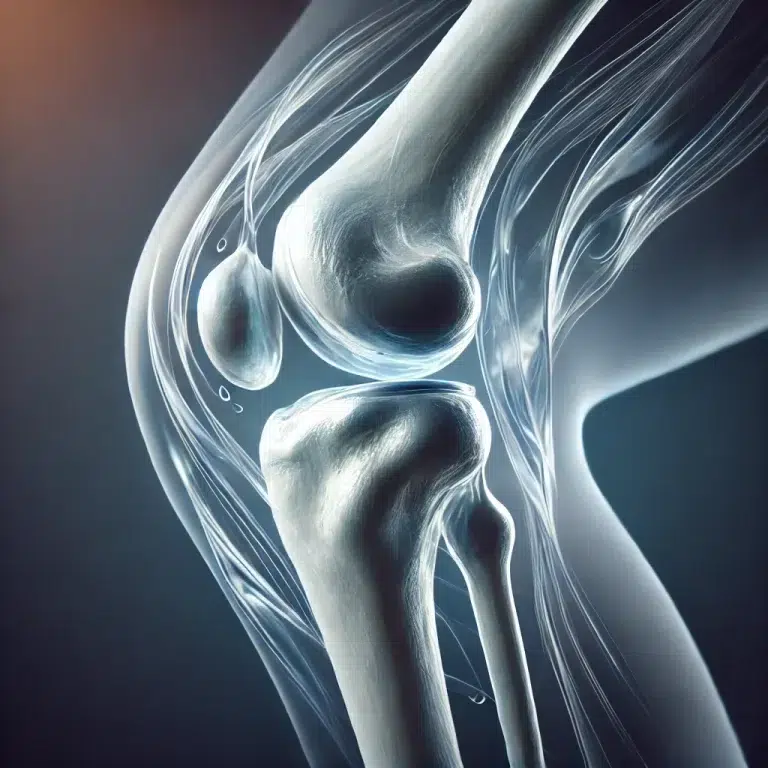
Inside each joint lives a little miracle called synovial fluid — the body’s natural lubricant. Think of it as your joints’ personal olive oil.

Over time, however, factors like age, dehydration, inflammation, poor diet, and Netflix marathons can cause that fluid to dry up faster than a puddle in the Sahara. The result? Stiffness, friction, and noises that make you question your warranty.

Eat Your Way to Slick Joints 🥦

Your synovial fluid is only as good as what you feed it. Luckily, you can rebuild joint lubrication straight from your kitchen:

  • Omega-3s – Found in fatty fish (salmon, sardines), flaxseed, and walnuts. These friendly fats act like tiny repairmen for your joints, reducing inflammation and keeping that fluid silky smooth.
  • Avocados – Because being green and oily never felt so right. The plant fats in avocado help restore cartilage and joint lining.
  • Bone broth – The ultimate ancient elixir. Rich in collagen, gelatin, and amino acids that support cartilage health. Bonus: it makes you feel like a medieval healer.
  • Turmeric & Ginger – The anti-inflammatory power couple. Together, they fight joint stiffness like an herbal superhero duo.
  • Leafy greens – Packed with antioxidants and calcium to support bone and joint function. Spinach and kale don’t squeak — neither should you.

Hydration: The Forgotten Lubricant 💧

This may sound obvious, but your joints can’t stay moist if you’re as dehydrated as a raisin.
Aim for 2–3 liters of water daily (herbal teas count, soda does not).
Add a pinch of sea salt or squeeze of lemon to help your body retain those precious electrolytes.

If plain water bores you, imagine it as liquid WD-40 for your skeleton — motivation guaranteed.

Move It (or Lose It) 🧘‍♀️

Here’s the paradox: the more you move, the smoother your joints stay.
Gentle motion stimulates the production of synovial fluid. Think of it like stirring a soup pot — things flow better when you keep it moving.

Try:

  • Yoga or Tai Chi – low-impact, high-lubrication.
  • Swimming – perfect for resistance without joint stress (and makes you feel majestic like an aquatic swan).
  • Daily walks – even 20 minutes can work wonders. Your joints love consistency more than intensity.

Pro tip: if it cracks but doesn’t hurt, that’s just your body saying hello.

Herbal Allies for Smoother Movement 🌿

Nature’s apothecary offers a few secret weapons:

  • Boswellia serrata (Frankincense) – reduces inflammation and helps cartilage repair.
  • Devil’s Claw – great for pain relief and joint flexibility (despite its intimidating name).
  • Nettle Leaf – packed with minerals that nourish bones and joints.
  • MSM (Methylsulfonylmethane) – a sulfur compound that supports joint lubrication. It’s nature’s version of adding a bit of “slip” back into your hinges.

Always consult a herbalist or doctor before diving in — even nature can pack a punch.

Rest, But the Right Kind 💤

Joints repair themselves during rest, not while you’re doom-scrolling through conspiracy forums at 2 a.m.

Sleep at least 7–9 hours a night and consider gentle stretching before bed.
If you want to get fancy, try magnesium baths — the closest thing to a spa day for your joints.

🥑 Bonus: The DIY Joint Smoothie

Ingredients:

  • 1 cup coconut water
  • ½ avocado
  • 1 tsp turmeric
  • 1 tsp ginger
  • 1 tbsp flaxseed
  • A pinch of black pepper (for turmeric absorption)
  • Optional: collagen powder or a spoon of bone broth (yes, really)

Blend, drink, and visualize your joints turning into well-oiled dance partners.

Final Thoughts: Stay Greased, Stay Grateful

Regaining joint lubrication naturally isn’t about turning back time — it’s about helping your body do what it was designed to do.
Feed it right, move it daily, hydrate, and give it love. You might not be breakdancing next week, but you will walk smoother, feel lighter, and maybe even impress your dog with that newfound agility.

Remember: You’re not getting older — you’re just running a vintage model that needs premium fuel.

Shea butter is a natural plant-based fat that is derived from the nuts of the African shea tree (Vitellaria paradoxa or Butyrospermum parkii). It has been used for centuries in Africa for its moisturizing, healing, and protective properties, and in recent years has gained popularity as an ingredient in skincare and haircare products around the world.

Shea butter is rich in fatty acids, including oleic acid, stearic acid, and linoleic acid, as well as vitamins A and E. It has a creamy texture and a characteristic nutty aroma. In its unrefined form, it is yellowish in color, while refined shea butter is white.

Shea butter is a highly emollient substance, meaning that it has the ability to soften and soothe the skin. It is often used to help alleviate dry skin, eczema, and other skin conditions, and can also be used to help reduce the appearance of scars and stretch marks. In haircare products, it is used to help moisturize and condition the hair, and to help tame frizz and split ends.

Shea butter is often used as a base for natural skincare and haircare products, as it is non-comedogenic (meaning it won’t clog pores) and is generally considered safe for most people to use. It is also commonly used in its raw form as a body butter, lip balm, or hair mask.

Shea butter is often used as a base for natural skincare and haircare products, as it is non-comedogenic (meaning it won’t clog pores)

Where to Buy Shea-Butter Products?

Shea butter products can be found in a variety of stores and online retailers. Here are some places where you can purchase shea butter products:

  • Health food stores: Many health food stores carry a range of natural skincare and haircare products that contain shea butter.
  • Beauty supply stores: Beauty supply stores often carry shea butter products, including haircare products and body lotions.
  • Online retailers: There are many online retailers that sell shea butter products, including Amazon, Sephora, and Ulta. You can also find a variety of shea butter products on the websites of natural skincare and haircare brands.
  • Local markets: If you live in an area with a large African community, you may be able to find shea butter products at local markets and specialty stores.
  • Direct from producers: You can also purchase shea butter products directly from producers in Africa through fair trade organizations and online marketplaces.

When purchasing shea butter products, it is important to read the labels carefully and choose products that are made with high-quality, unrefined shea butter. Look for products that contain a high percentage of shea butter and minimal additives or preservatives.

Introduction

In the world of natural remedies and alternative medicine, sumac berries have emerged as a potential contender in the realm of weight management. These small, red berries, commonly found on the sumac plant, have garnered attention for their purported health benefits. As the prevalence of obesity and weight-related health issues continues to rise, many individuals are seeking holistic approaches to manage their weight. In this article, we delve into the science behind sumac berries and their potential role in weight management.

Understanding Sumac Berries

The sumac plant, belonging to the genus Rhus, produces clusters of bright red berries known as sumac berries. These berries have a long history of use in various traditional medicine practices, particularly in regions like the Middle East and parts of Asia. Rich in antioxidants, vitamins, and minerals, sumac berries offer a plethora of potential health benefits. From bolstering immune function to supporting digestive health, sumac berries have been revered for their medicinal properties throughout history.

The Science Behind Weight Management

Weight management is a complex interplay of various factors, including genetics, diet, exercise, and lifestyle choices. While the basic principle of weight loss is to expend more calories than consumed, achieving sustainable weight loss is often easier said than done. Dietary patterns, hormonal imbalances, and metabolic differences all contribute to the challenges individuals face in their weight management journey.

Exploring Sumac Berries for Weight Management

Sumac berries may offer several potential mechanisms for supporting weight management. These include the regulation of blood sugar levels, the impact on metabolism, and appetite suppression effects. The antioxidants present in sumac berries, such as flavonoids and tannins, may play a role in modulating these physiological processes.

While the traditional use of sumac berries for weight management is well-documented, scientific research on their efficacy is still in its infancy. Limited studies have explored the effects of sumac berries on weight-related outcomes, with mixed results. Some research suggests that certain compounds found in sumac berries may indeed influence metabolic processes and appetite regulation. However, more robust clinical trials are needed to validate these findings and establish a causal relationship.

Nutritionists, herbalists, and individuals who have incorporated sumac berries into their weight management regimen offer valuable insights. While anecdotal evidence should be interpreted with caution, it provides a glimpse into the real-world experiences of those who have experimented with sumac berries. Many proponents of natural medicine advocate for a holistic approach to weight management, which includes dietary modifications, physical activity, stress management, and the integration of natural remedies like sumac berries.

Ways to Incorporate Sumac Berries into the Diet

Sumac berries can be incorporated into the diet in various ways, adding both flavor and nutritional benefits to dishes. From sprinkling sumac spice on salads and roasted vegetables to infusing sumac extract into beverages, there are numerous culinary uses for these versatile berries. Additionally, dietary supplements containing sumac extract are available for those seeking a more concentrated form of supplementation.

Potential Risks and Precautions

While sumac berries are generally considered safe for consumption, there are some potential risks and precautions to be aware of. Allergic reactions to sumac berries are rare but possible, particularly in individuals with pre-existing allergies to plants in the Anacardiaceae family. Furthermore, sumac berries may interact with certain medications, such as blood thinners or diabetes medications. It is advisable to consult with a healthcare professional before incorporating sumac berries into your diet, especially if you have underlying health conditions or are taking medications.

Conclusion

In conclusion, sumac berries hold promise as a natural remedy for weight management, although more research is needed to elucidate their specific effects and mechanisms of action. While the existing evidence is preliminary, it suggests that sumac berries may offer some benefits in supporting metabolic health and appetite regulation. As with any natural remedy, it is essential to approach sumac berries with caution and moderation, seeking guidance from healthcare professionals when necessary. Moving forward, continued research into the potential role of sumac berries in holistic approaches to weight management is warranted.

Introduction

In the intricate tapestry of human health, cognitive function stands as a cornerstone, influencing our ability to perceive, learn, remember, and interact with the world around us. Yet, in the hustle and bustle of modern life, maintaining optimal cognitive health can be a challenge. However, nature has bestowed upon us a golden gift that holds promise in this realm: saffron.

Understanding Cognitive Function

Before delving into the depths of saffron’s potential, it’s crucial to grasp the essence of cognitive function. It encompasses a spectrum of mental processes, from basic memory functions to complex reasoning and problem-solving skills. Factors such as genetics, lifestyle, diet, and environment play pivotal roles in shaping cognitive health. However, various age-related and neurodegenerative conditions can pose formidable challenges to maintaining cognitive prowess.

Exploring Saffron

Saffron, the stigma of Crocus sativus flower, has captivated human fascination for millennia, revered not only for its distinct flavor and vibrant color but also for its medicinal properties. Across cultures and civilizations, saffron has been utilized in traditional medicine systems for its purported health benefits. Rich in antioxidants, carotenoids, and other bioactive compounds, saffron holds a treasure trove of therapeutic potential.

Scientific Evidence on Saffron and Cognitive Function

The intrigue surrounding saffron extends beyond its culinary and cultural significance. In recent years, scientific inquiry has shed light on its potential cognitive-enhancing properties. Studies have investigated saffron’s effects on memory, learning, mood, and overall brain function. These investigations have uncovered intriguing mechanisms through which saffron may exert its cognitive benefits, including modulation of neurotransmitters, neuroprotection against oxidative stress, and anti-inflammatory actions.

Benefits of Saffron for Cognitive Health

The emerging body of research suggests a myriad of potential benefits of saffron for cognitive health. From improving memory and learning abilities to alleviating symptoms of depression and anxiety, saffron appears to wield a multifaceted arsenal in supporting brain function. Moreover, preliminary evidence hints at saffron’s potential in mitigating age-related cognitive decline, offering hope for aging populations seeking to preserve cognitive vitality.

How to Incorporate Saffron into Your Diet

Harnessing the cognitive potential of saffron can be as simple as infusing it into your culinary repertoire. Whether adding a pinch of saffron to savory dishes, brewing a fragrant saffron tea, or incorporating saffron supplements into your daily regimen, there are myriad ways to reap its cognitive benefits. Experimentation with recipes and exploring traditional cuisines can open up a world of culinary delights intertwined with cognitive nourishment.

Precautions and Considerations

While saffron holds promise as a natural cognitive enhancer, it’s essential to exercise caution and prudence. Potential side effects, interactions with medications, and considerations for specific populations underscore the importance of consulting healthcare professionals before embarking on a saffron supplementation regimen. Safety and moderation should always guide the integration of saffron into one’s lifestyle.

Conclusion

In the quest for cognitive vitality, the journey often leads us to unexpected sources of wisdom and wellness. Saffron, with its rich heritage and burgeoning scientific acclaim, stands as a testament to nature’s capacity to nurture both body and mind. As we unlock the potential of saffron, let us embark on a voyage of discovery, embracing its golden hues as beacons of cognitive flourishing in an ever-evolving world.

Planting ivory plant using water in the reuse jar

Air pollution is a growing concern around the world, with studies showing that air pollution can have severe impacts on our health. In addition to outdoor air pollution, indoor air pollution can also be a significant health hazard. One of the best ways to improve indoor air quality is by introducing air-purifying plants into your living space.

Air-purifying plants are a natural and cost-effective way to improve indoor air quality. These plants have been shown to remove harmful toxins and pollutants from the air, creating a healthier living environment. Here are some of the best air-purifying plants to consider for your home:

  1. Spider Plant (Chlorophytum comosum): Spider plants are excellent air-purifying plants that are easy to care for and are known for their ability to remove harmful pollutants such as formaldehyde and benzene from the air. They are also known to help reduce airborne mold and other allergens.
  2. Peace Lily (Spathiphyllum): Peace lilies are beautiful plants that can help improve indoor air quality by removing toxins such as benzene, formaldehyde, and trichloroethylene. They are also known to help reduce mold spores, making them an excellent choice for those with allergies.
  3. Snake Plant (Sansevieria): Snake plants are known for their ability to remove toxins such as formaldehyde, benzene, and xylene from the air. They are also easy to care for and can survive in low light conditions, making them an excellent choice for those with less sunny living spaces.
  4. Aloe Vera (Aloe barbadensis): Aloe vera is a popular plant that is known for its health benefits. It is also an excellent air-purifying plant that can help remove pollutants such as formaldehyde and benzene from the air.
  5. Bamboo Palm (Chamaedorea seifrizii): The bamboo palm is an excellent air-purifying plant that can help remove pollutants such as benzene, formaldehyde, and trichloroethylene from the air. It is also known for its ability to add moisture to the air, making it an excellent choice for those living in dry environments.
  6. Golden Pothos (Epipremnum aureum): The golden pothos is a hardy plant that can help remove pollutants such as formaldehyde and benzene from the air. It is also known to help reduce airborne mold, making it an excellent choice for those with allergies.
Air-purifying plants are a natural and effective way to improve indoor air quality and create a healthier living environment.

These are just a few of the many air-purifying plants available to improve the air quality in your home. Air-purifying plants work by absorbing harmful toxins and pollutants through their leaves and roots, converting them into harmless byproducts. As a result, indoor air quality is improved, reducing the risk of health problems such as respiratory issues, headaches, and allergies.

In addition to their air-purifying benefits, these plants also have other health benefits. For example, many of these plants can help reduce stress and anxiety, improve focus and productivity, and enhance mood and creativity. Plants have also been shown to have a calming effect, helping to reduce stress levels and create a relaxing environment.

When selecting air-purifying plants, it is important to consider the size and lighting conditions of your living space. Some plants require more sunlight than others, so it is essential to choose a plant that can thrive in the available light. It is also important to consider the toxicity of the plant if you have children or pets.

In conclusion, air-purifying plants are a natural and effective way to improve indoor air quality and create a healthier living environment. They have several health benefits and can help reduce the risk of respiratory issues, headaches, and allergies. With so many beautiful and easy-to-care-for air-purifying plants available, it’s easy to