

Introduction
Why Herbs Matter for Men’s Health
For centuries, herbs have been an integral part of traditional medicine, offering natural solutions for various health concerns. In today’s fast-paced world, men often experience health challenges such as low energy, poor prostate health, reduced libido, hair loss, and chronic stress. While modern medicine provides numerous treatments, many men seek natural, holistic approaches that support their well-being without harmful side effects.
This guide explores the best herbs for men’s health and how they can be incorporated into daily routines. Whether you’re looking to boost your energy, support prostate function, enhance libido, combat hair loss, or manage stress, this book will provide actionable insights backed by science and traditional wisdom.
Herbs for Energy and Stamina
Why Energy and Stamina Are Crucial for Men
Energy and stamina are fundamental to a man’s daily life, affecting performance at work, in the gym, and in personal relationships. Without sufficient energy, men may experience decreased productivity, lack of motivation, and overall diminished well-being.
Several factors contribute to low energy levels, including:
- Nutritional Deficiencies – A lack of essential vitamins, minerals, and macronutrients can lead to chronic fatigue.
- Stress and Anxiety – High cortisol levels from prolonged stress drain the body’s energy reserves.
- Poor Sleep Quality – Inadequate rest disrupts hormone balance and recovery processes.
- Hormonal Imbalances – Low testosterone and thyroid dysfunction can significantly impact stamina.
While caffeine and artificial stimulants provide temporary boosts, they often lead to crashes and dependency. Natural herbs offer a sustainable solution, enhancing stamina, improving physical endurance, and supporting overall vitality without negative side effects. These herbs help regulate energy metabolism, reduce stress, and promote long-term physical and mental resilience.
Top Herbs for Boosting Energy and Vitality
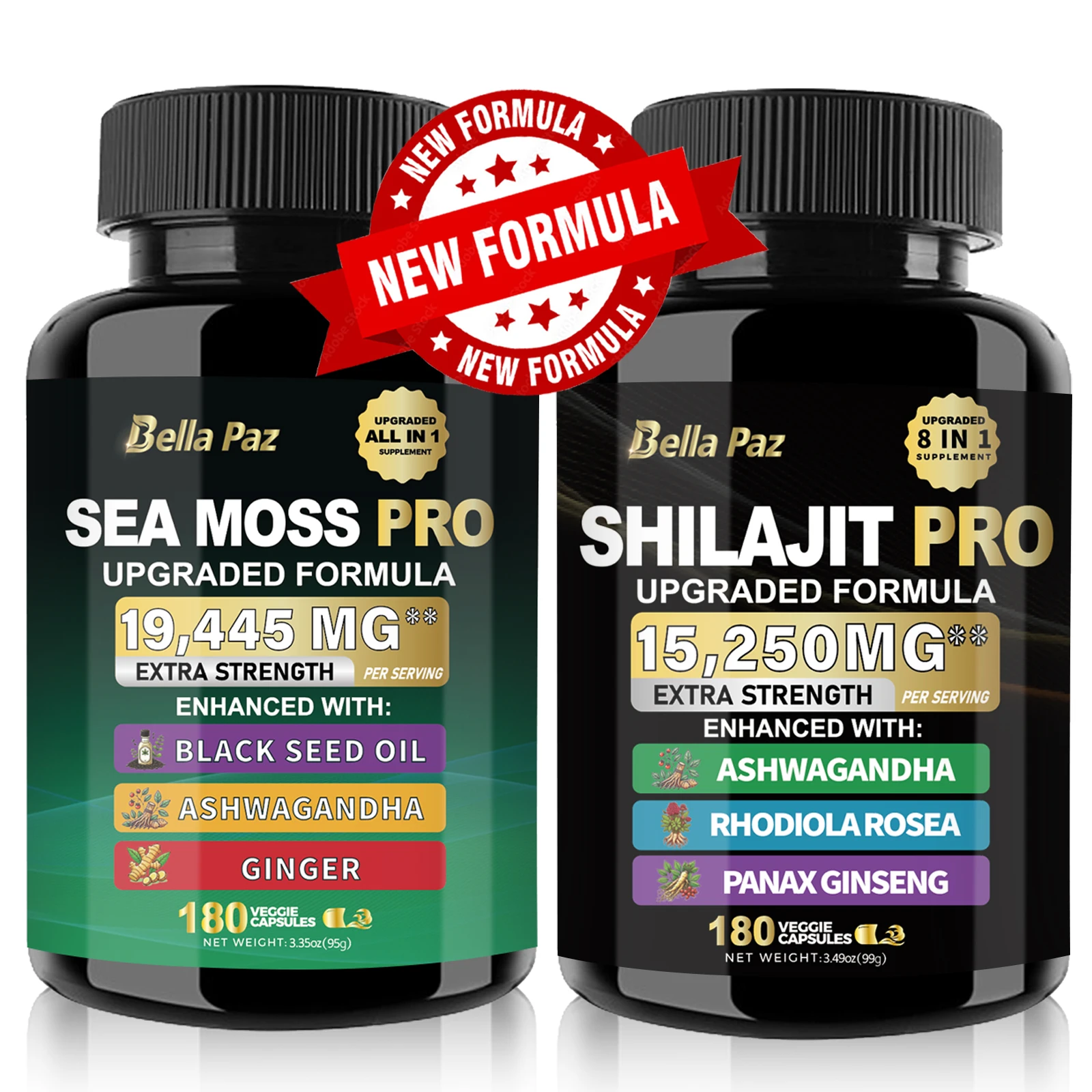
Ginseng (Panax ginseng) – The Ultimate Energy Booster
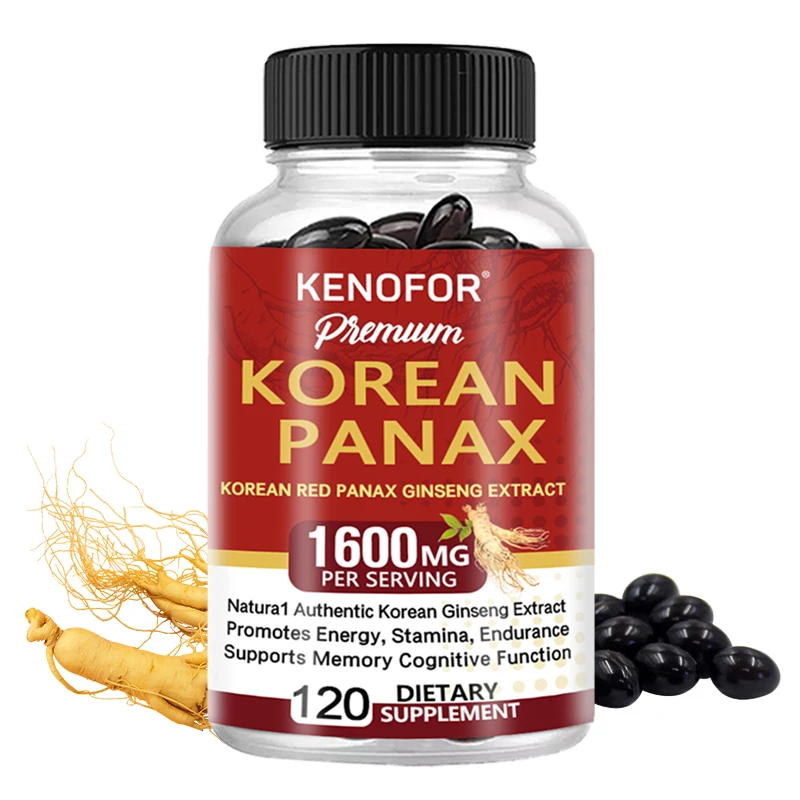
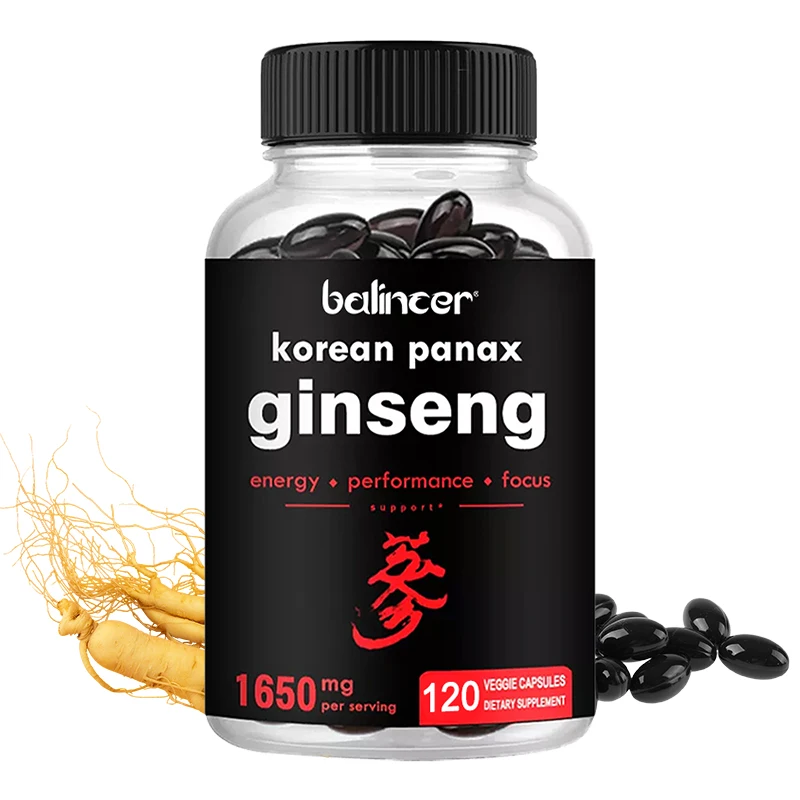
Ginseng has been used for centuries to increase stamina, enhance mental clarity, and regulate cortisol levels. Studies suggest that ginsenosides, its active compounds, improve endurance and cognitive function.
How to Use:
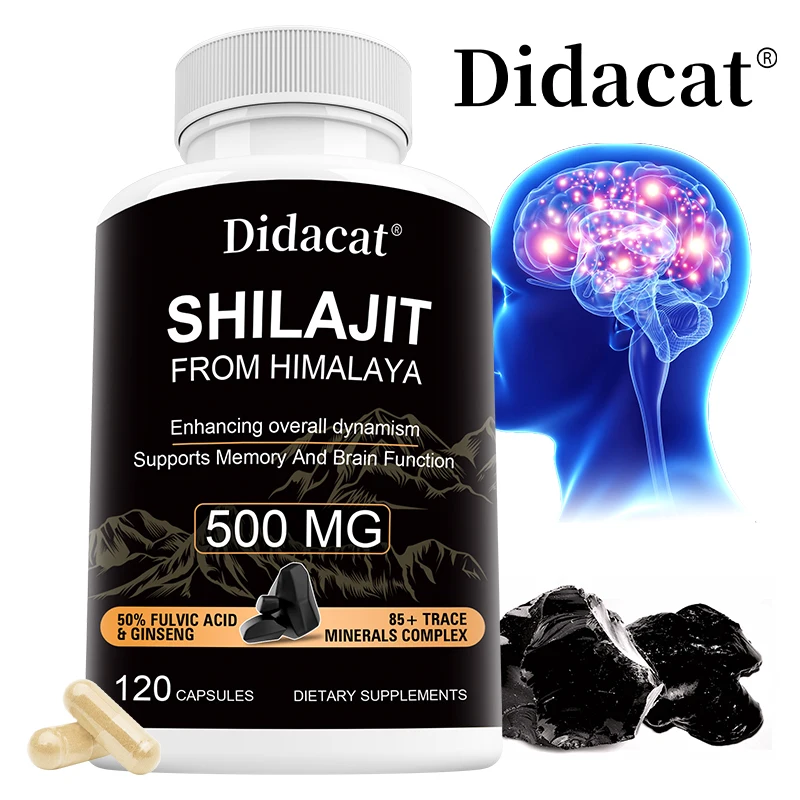
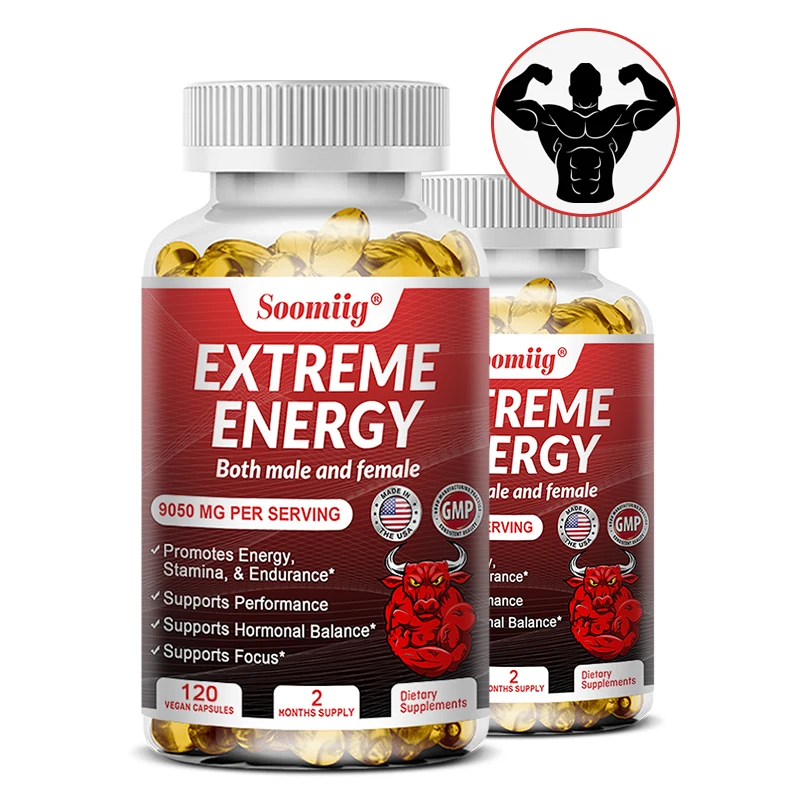
- Take 200-400 mg of standardized ginseng extract daily (Check the Best Ginseng Supplements ⚡)
- Brew ginseng tea for a natural energy boost
- Add powdered ginseng to smoothies


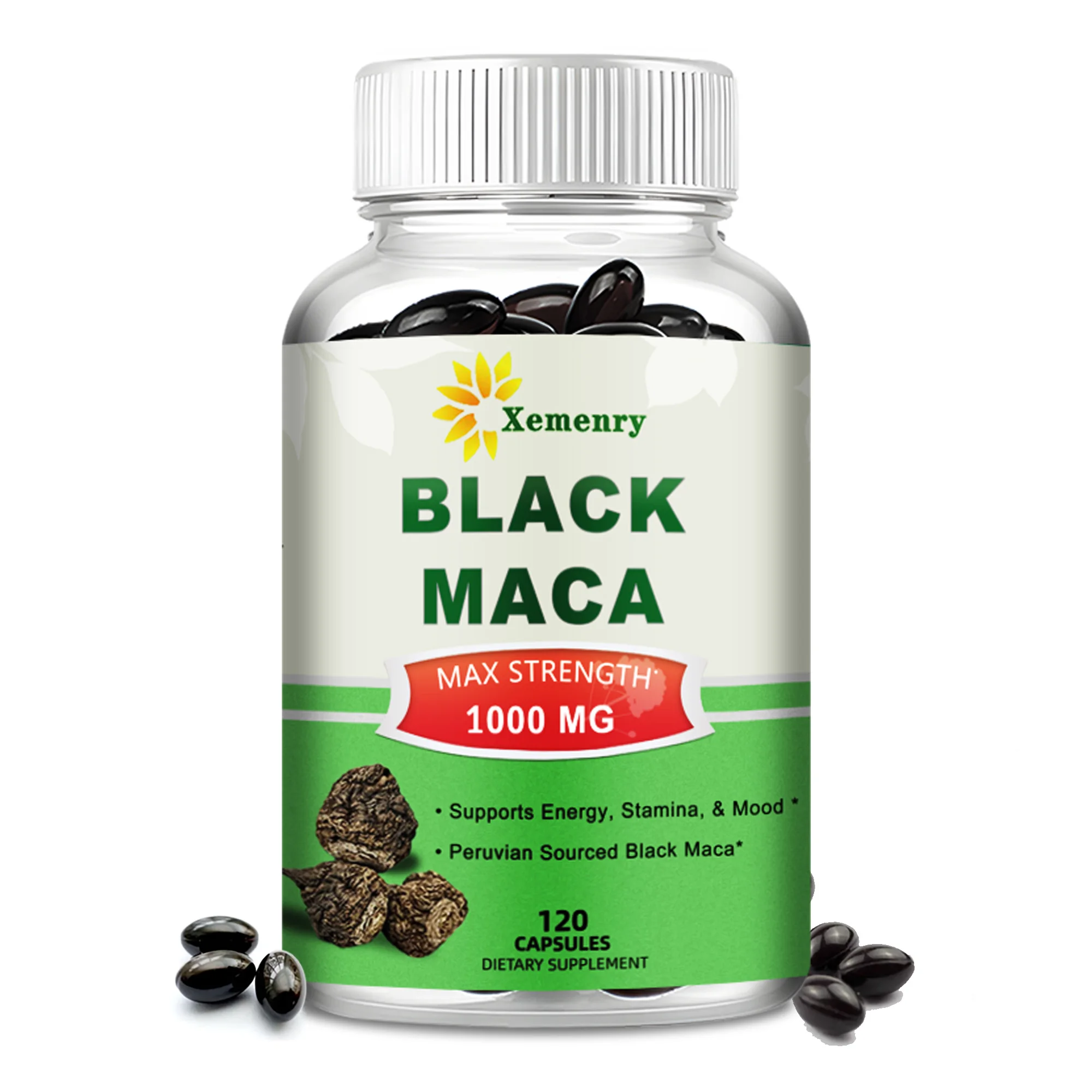
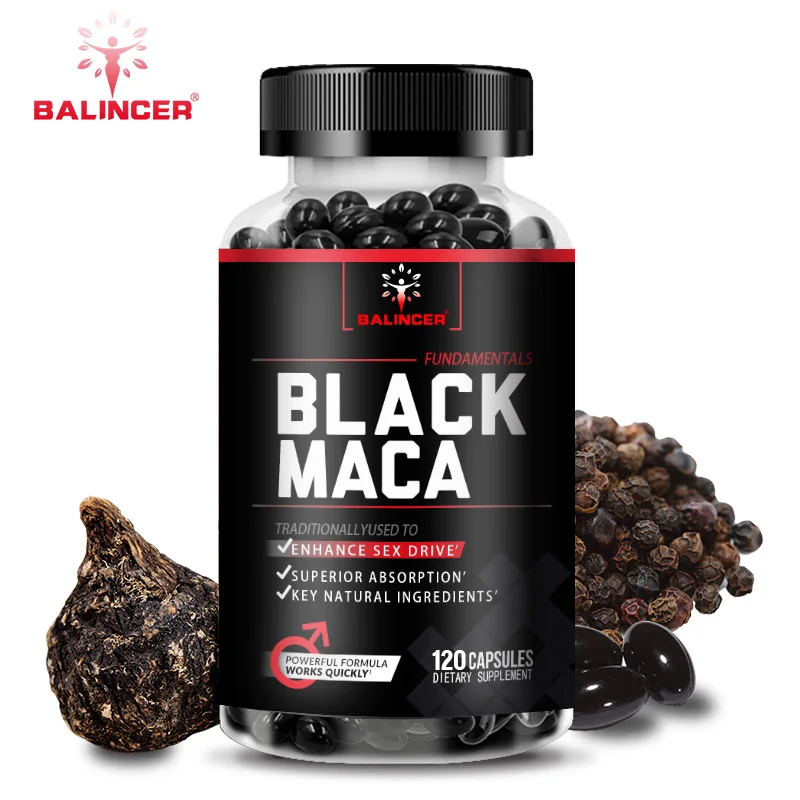
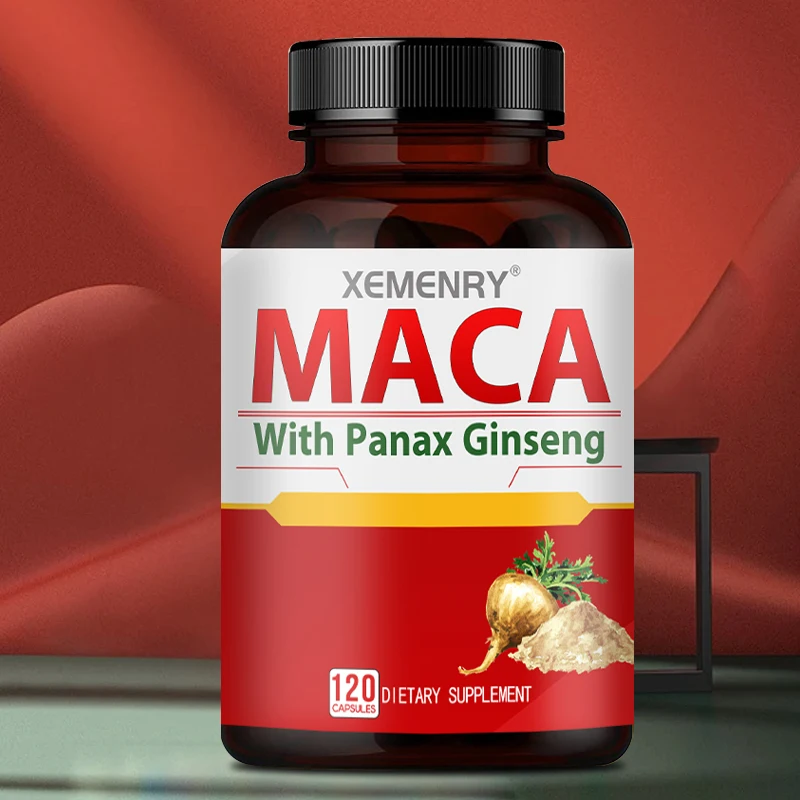
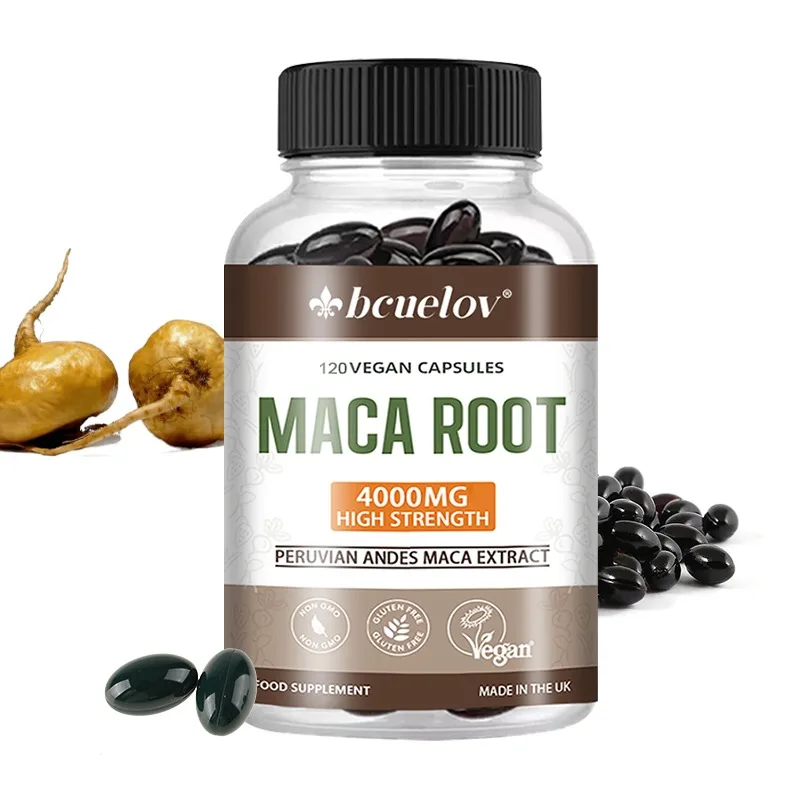
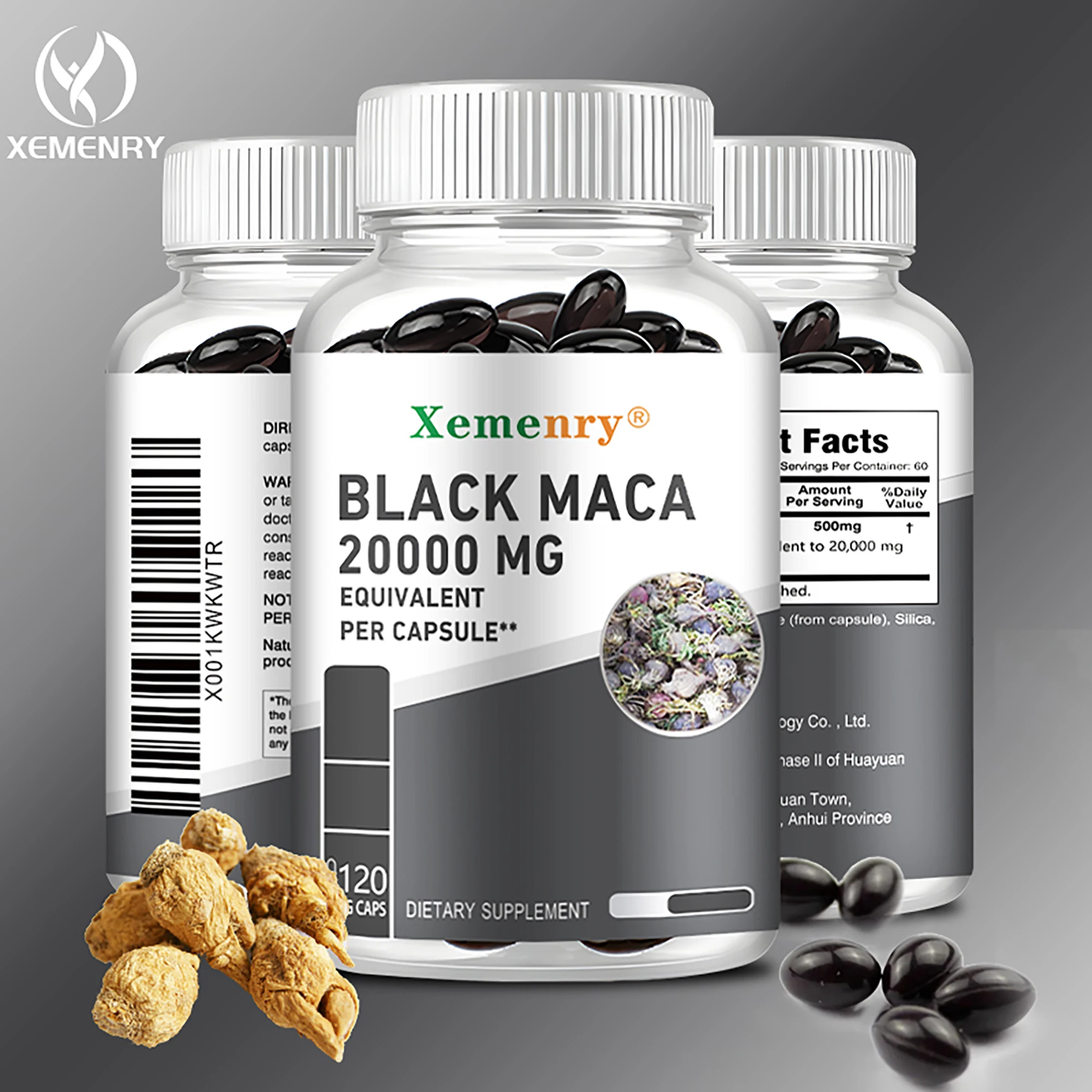
Maca Root (Lepidium meyenii) – A Natural Endurance Enhancer
Maca root is rich in vitamins, minerals, and antioxidants that help combat fatigue and balance hormones, making it an excellent choice for increasing vitality.
How to Use:
- Take 1-3 teaspoons of maca powder daily (Find High-Quality Maca Powder 🏋️)
- Choose gelatinized maca for better digestion
- Use maca capsules for convenience

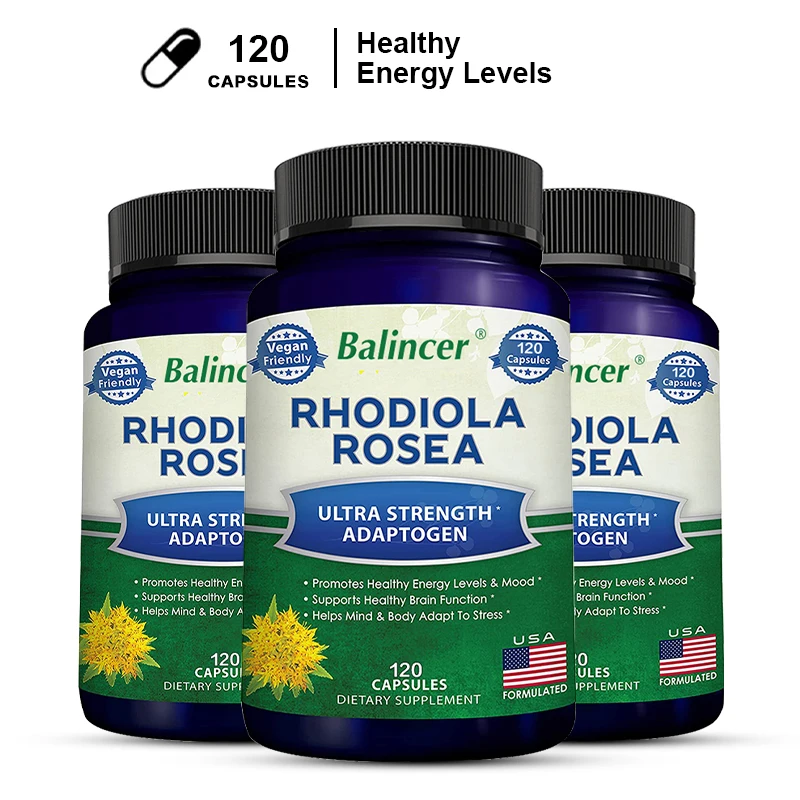
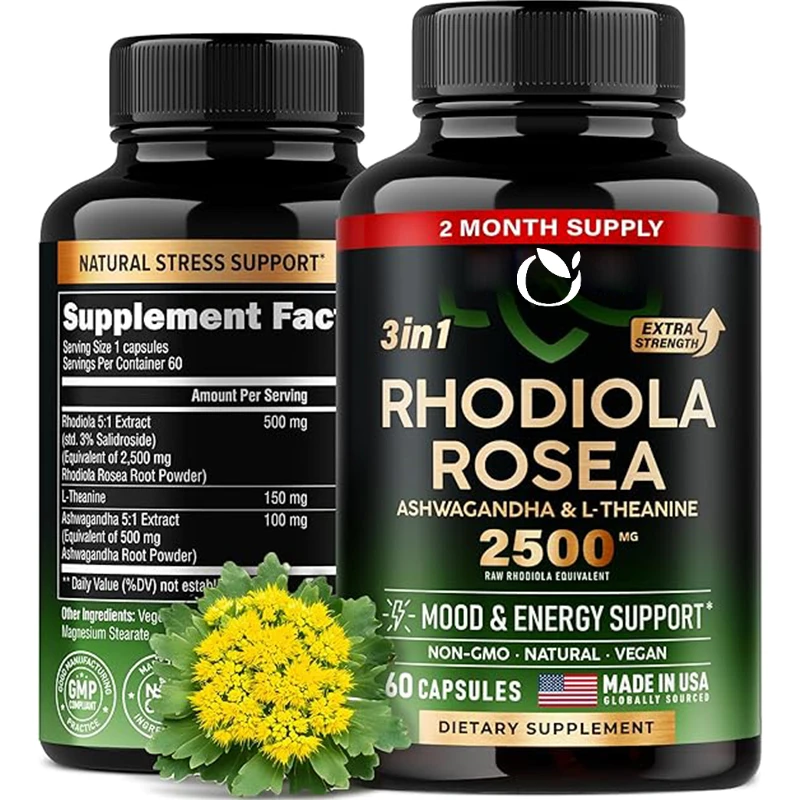
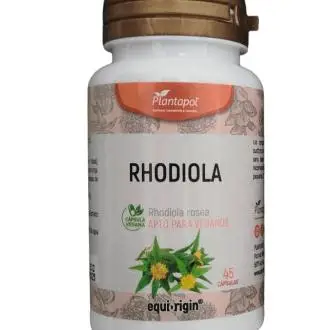
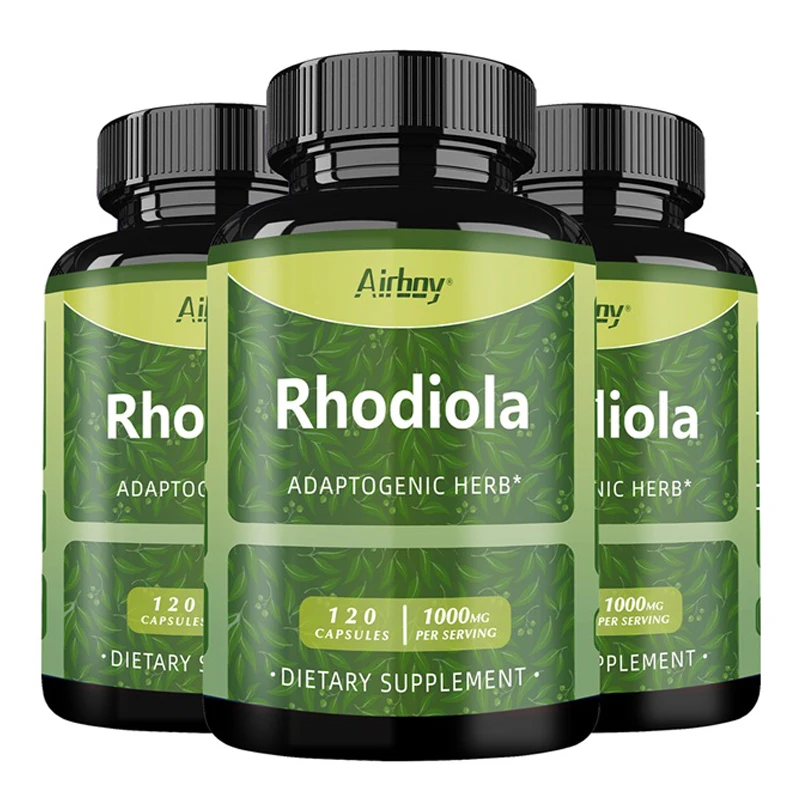
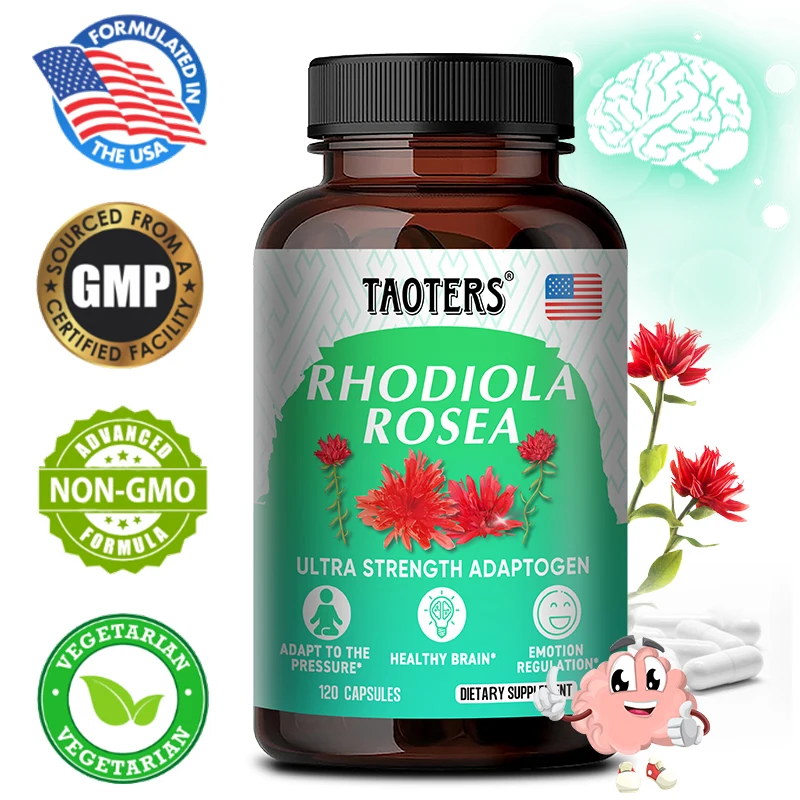
Rhodiola (Rhodiola rosea) – Adaptogen for Stress and Fatigue
Rhodiola is a powerful adaptogen that helps the body manage stress, improves mental clarity, and enhances physical endurance.
How to Use:
- Take 200-600 mg of Rhodiola extract daily (Best Rhodiola Supplements Here 💪)
- Brew Rhodiola tea for a natural energy boost
- Combine with other adaptogens like Ashwagandha for enhanced effects
![Cosmetics Rhodiola Rosea 20:1,Hong Jin Tian DIY Aromatherapy Plaster Candle Soap Making[Latest Date Product]](https://ae-pic-a1.aliexpress-media.com/kf/Sd4086c0e412f4a8dacbd43b1836f8b07S.jpg)
Herbs for Prostate Health and Urinary Function
Why Prostate Health Matters
As men age, the prostate gland may enlarge, leading to urinary issues. Conditions like benign prostatic hyperplasia (BPH) and prostatitis can affect quality of life. Fortunately, natural herbs help maintain prostate health and reduce symptoms.
Best Herbs for Prostate Support
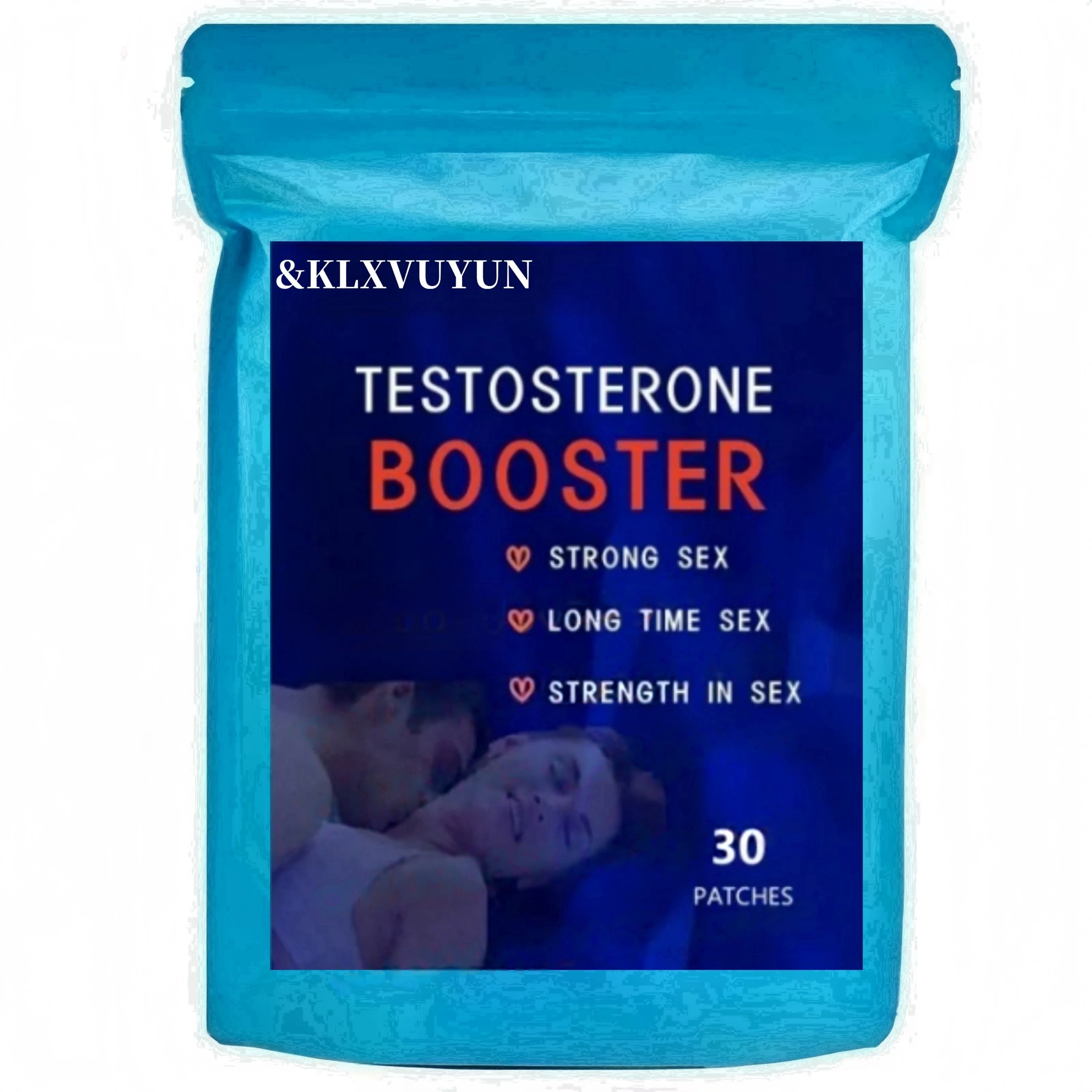
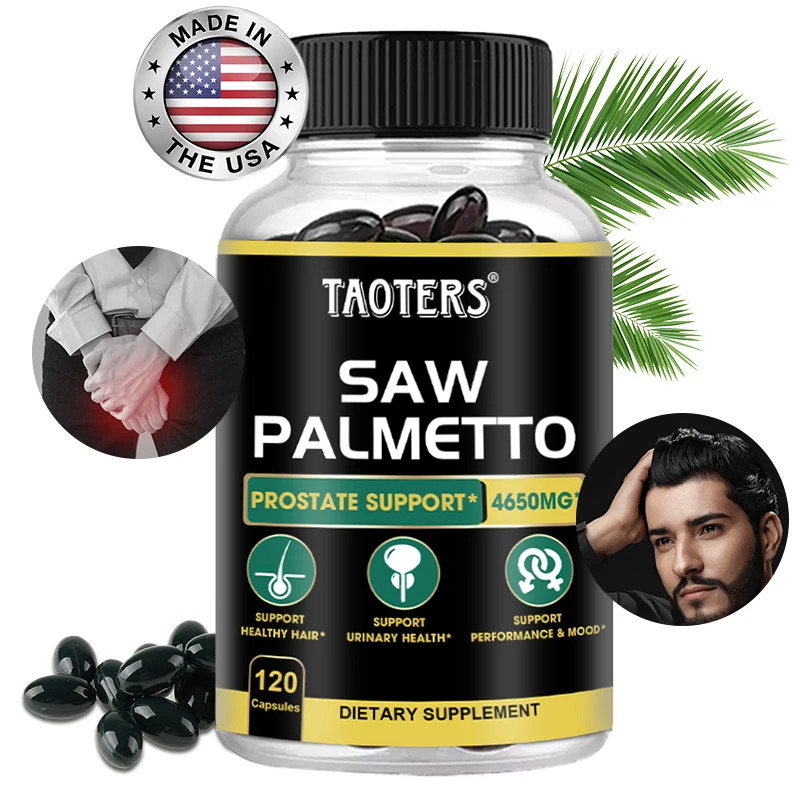
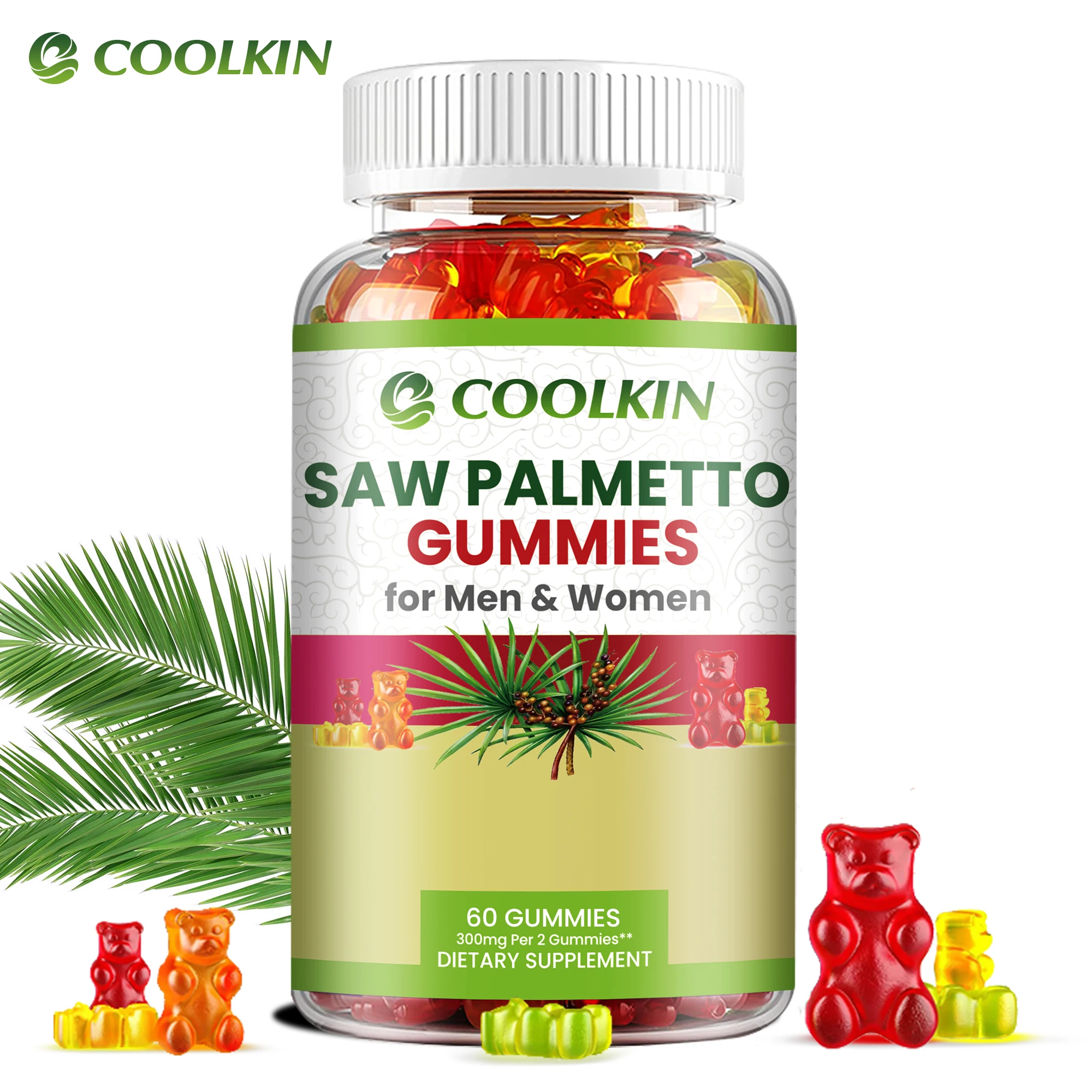
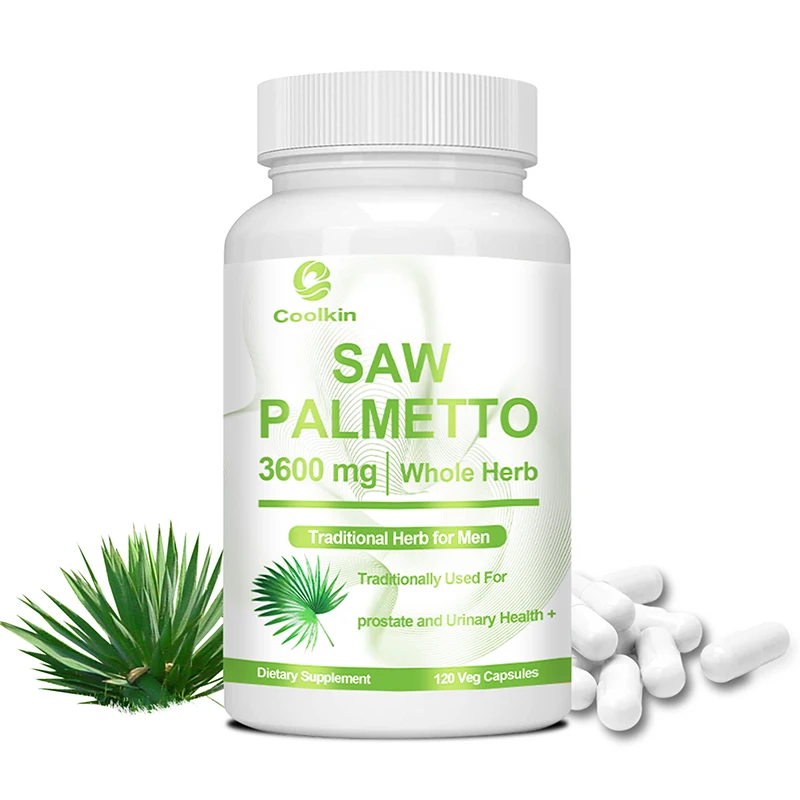
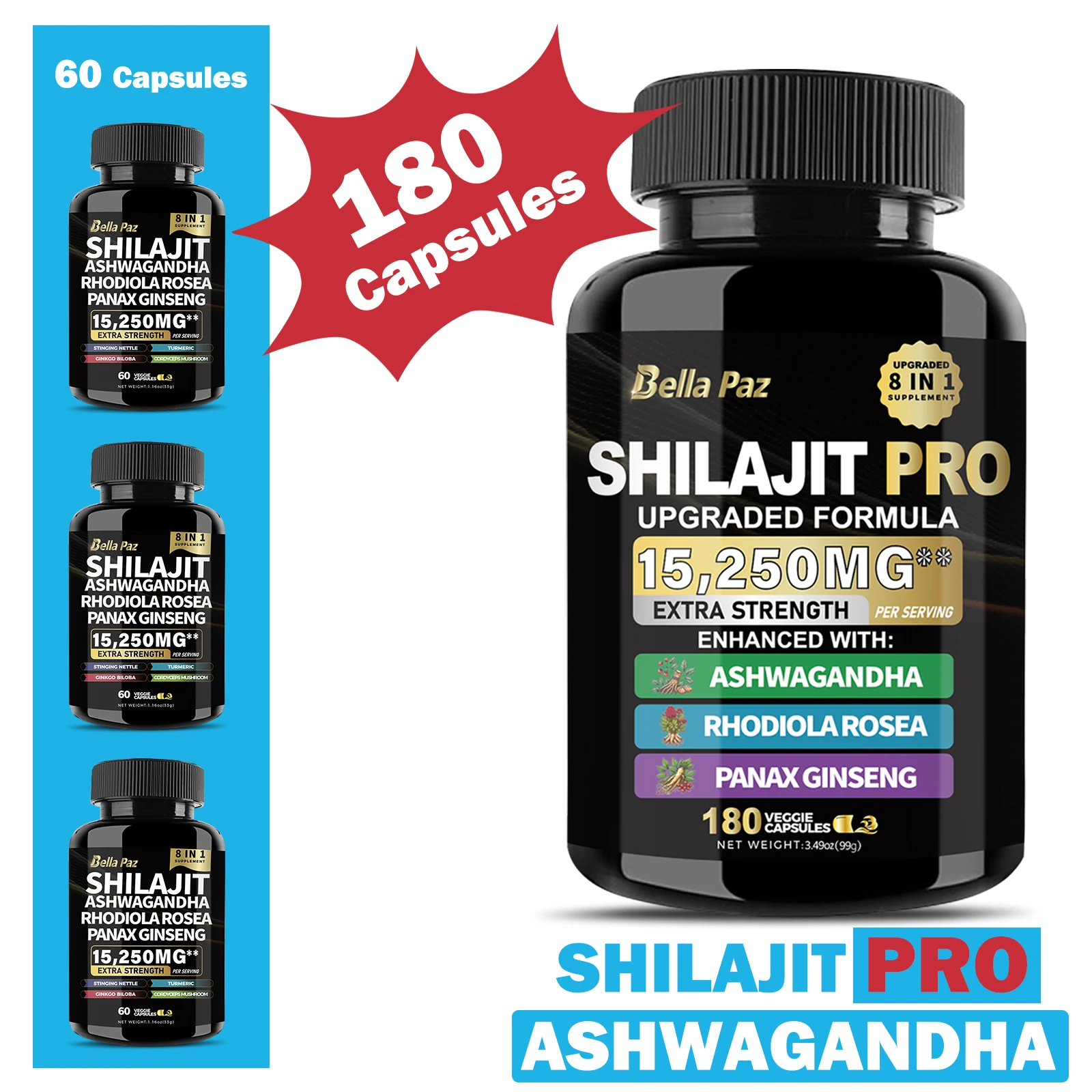
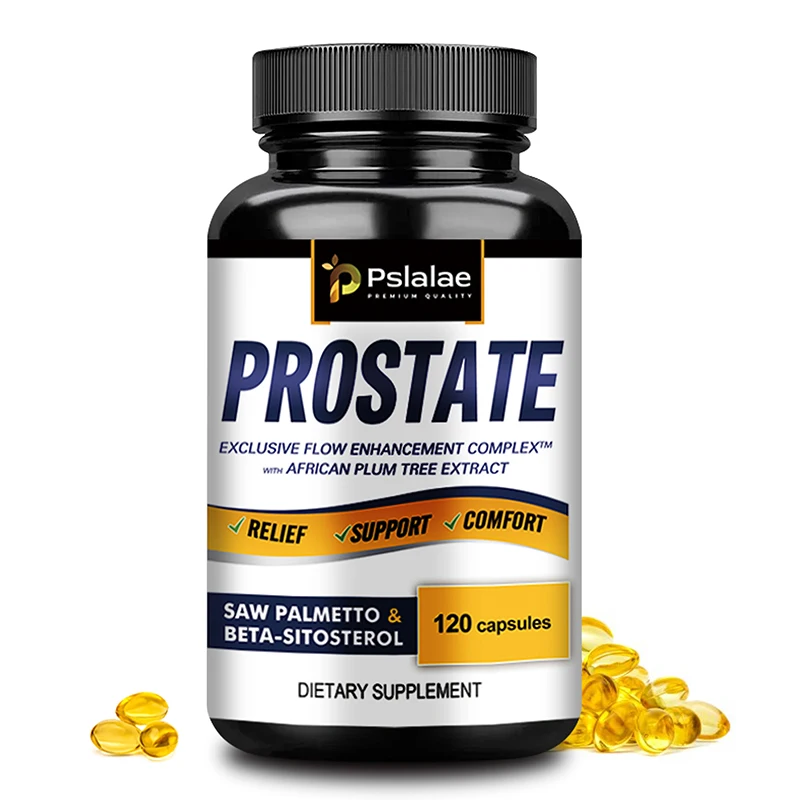
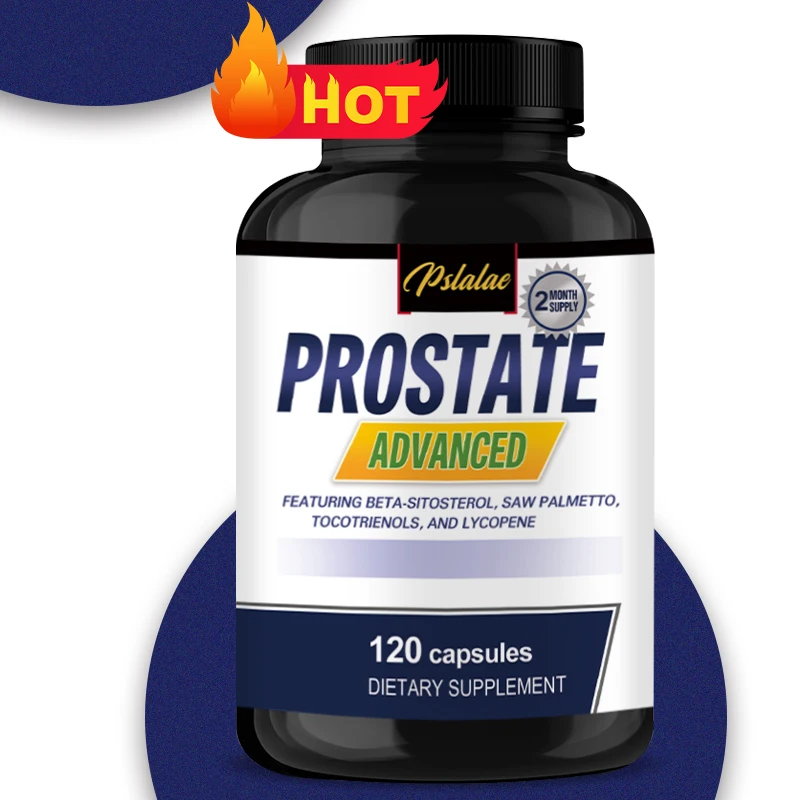
Saw Palmetto (Serenoa repens syn.) – DHT Blocker for Prostate Health
Saw palmetto is widely recognized for reducing BPH symptoms by inhibiting the conversion of testosterone into dihydrotestosterone (DHT), a hormone linked to prostate enlargement.
How to Use:
- Take 160-320 mg of saw palmetto extract daily (Top Saw Palmetto Supplements 🌿)
- Choose supplements standardized to 85-95% fatty acids

Nettle Root (Urtica dioica) – Natural Anti-Inflammatory
Nettle root supports urinary function and reduces inflammation, making it an excellent choice for men dealing with prostate-related discomfort.
How to Use:
- Take 300-600 mg of nettle root extract daily (See Nettle Root Extract Options 🍵)
- Drink nettle tea regularly


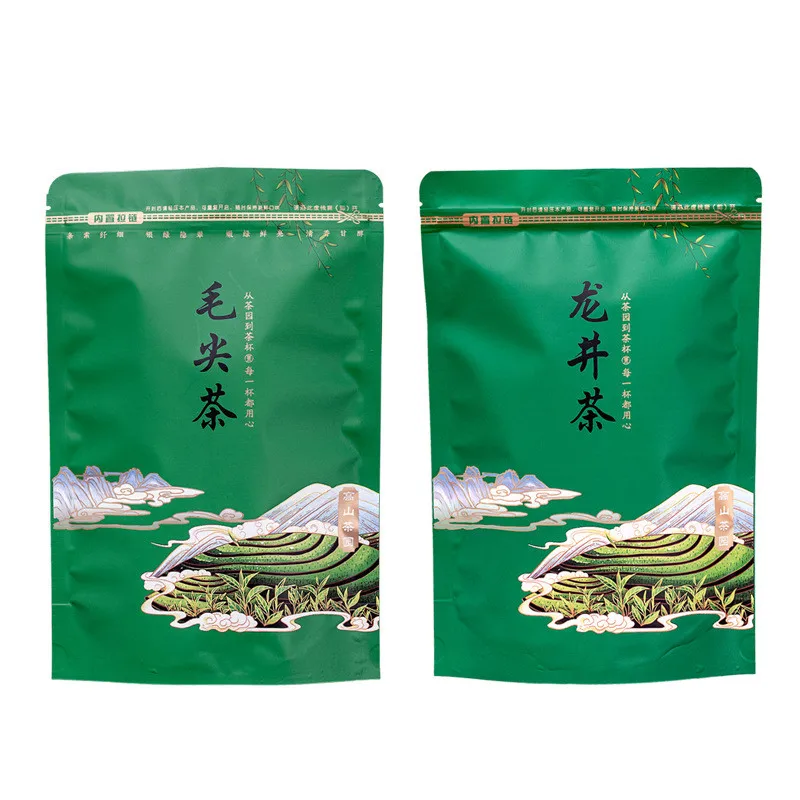
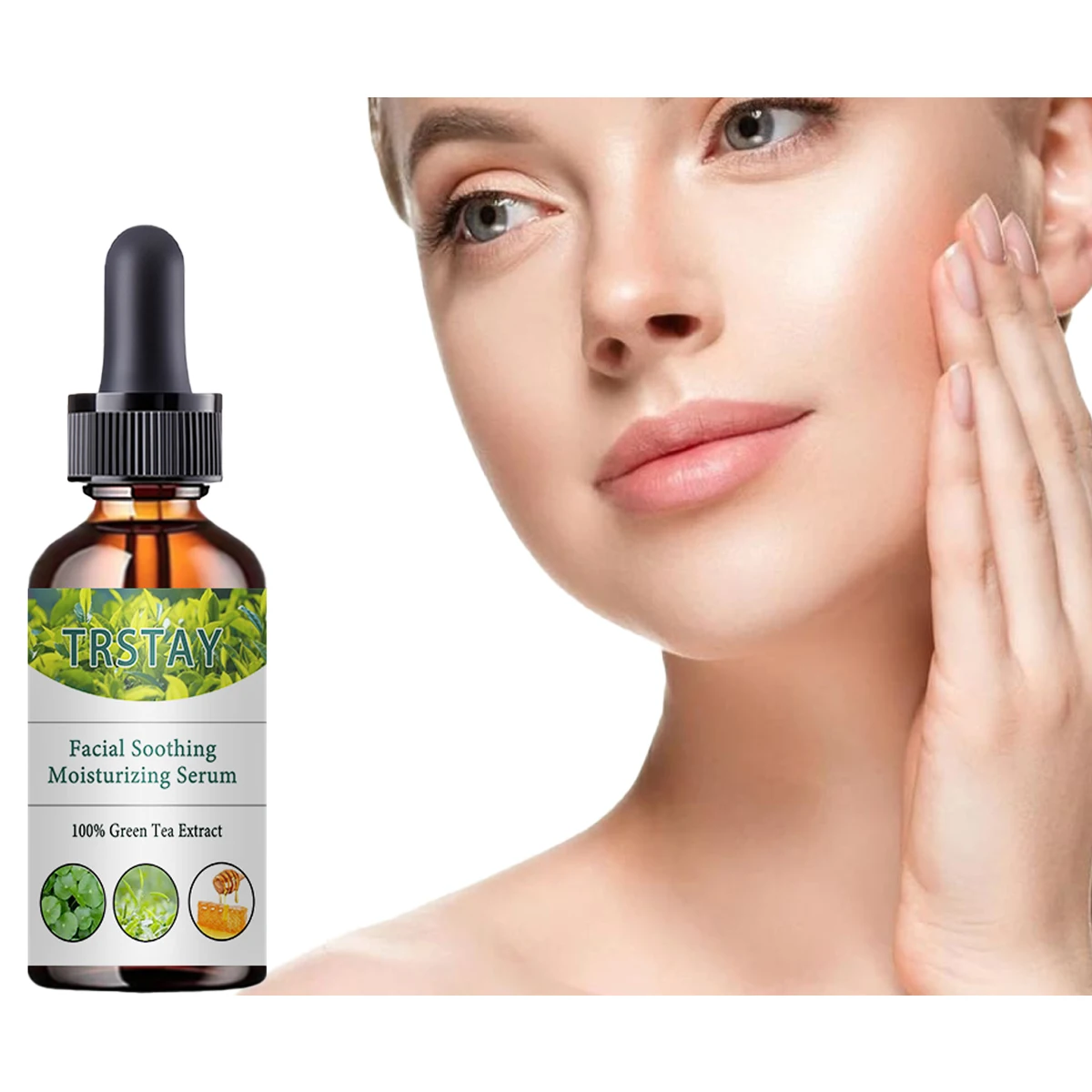
Green Tea (Camellia sinensis) – Antioxidant Power for Prostate Health
Green tea is rich in catechins and EGCG, compounds that support prostate health and may help lower prostate cancer risk.
How to Use:
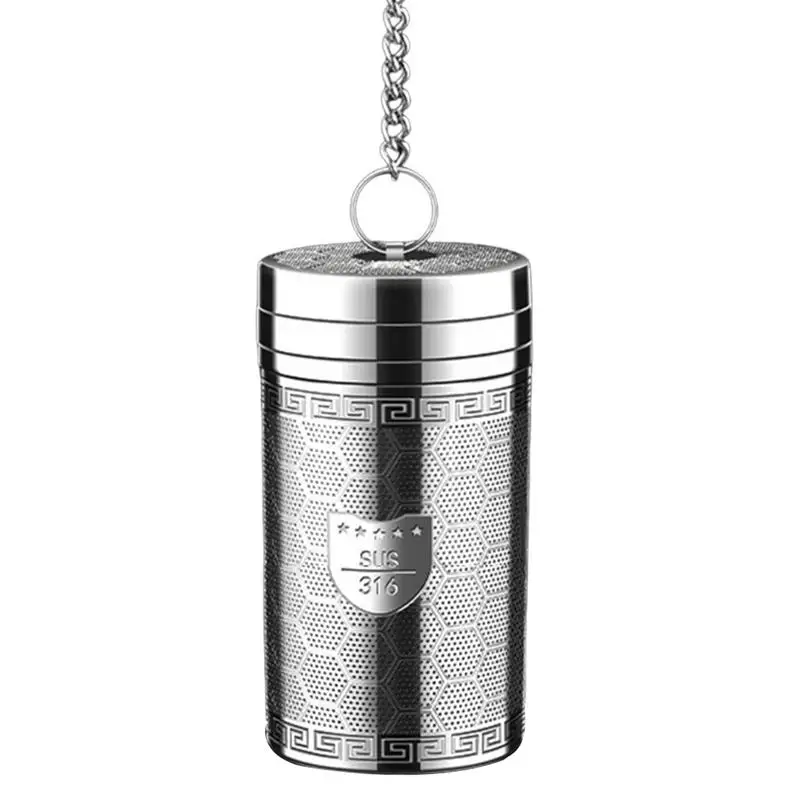
- Drink 2-4 cups of green tea daily (Find Organic Green Tea ☕)
- Choose high-EGCG green tea for maximum benefits



Herbs for Libido and Sexual Performance
The Role of Libido in Men’s Health
A strong libido is vital for physical and emotional well-being. Stress, poor diet, and hormonal imbalances can contribute to decreased sexual desire and performance. Herbs can naturally enhance libido and sexual function.
Best Herbs for Enhancing Libido
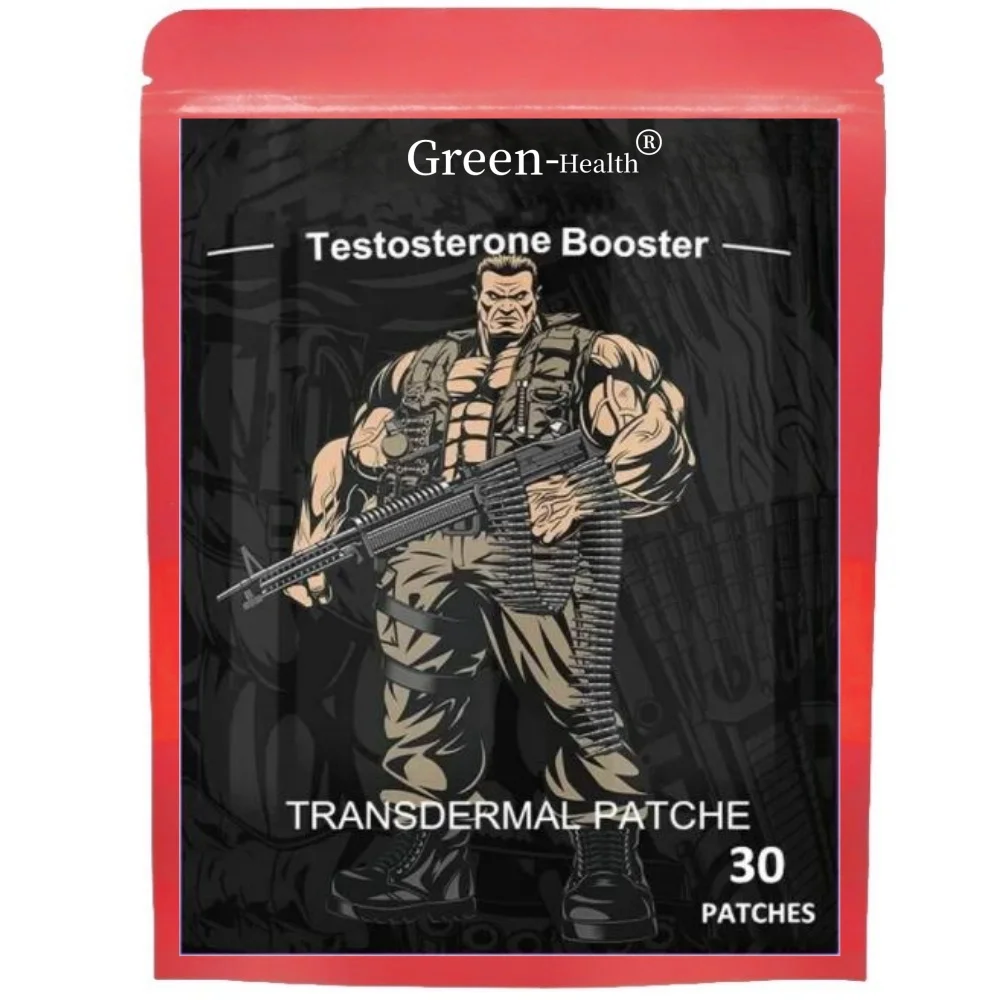
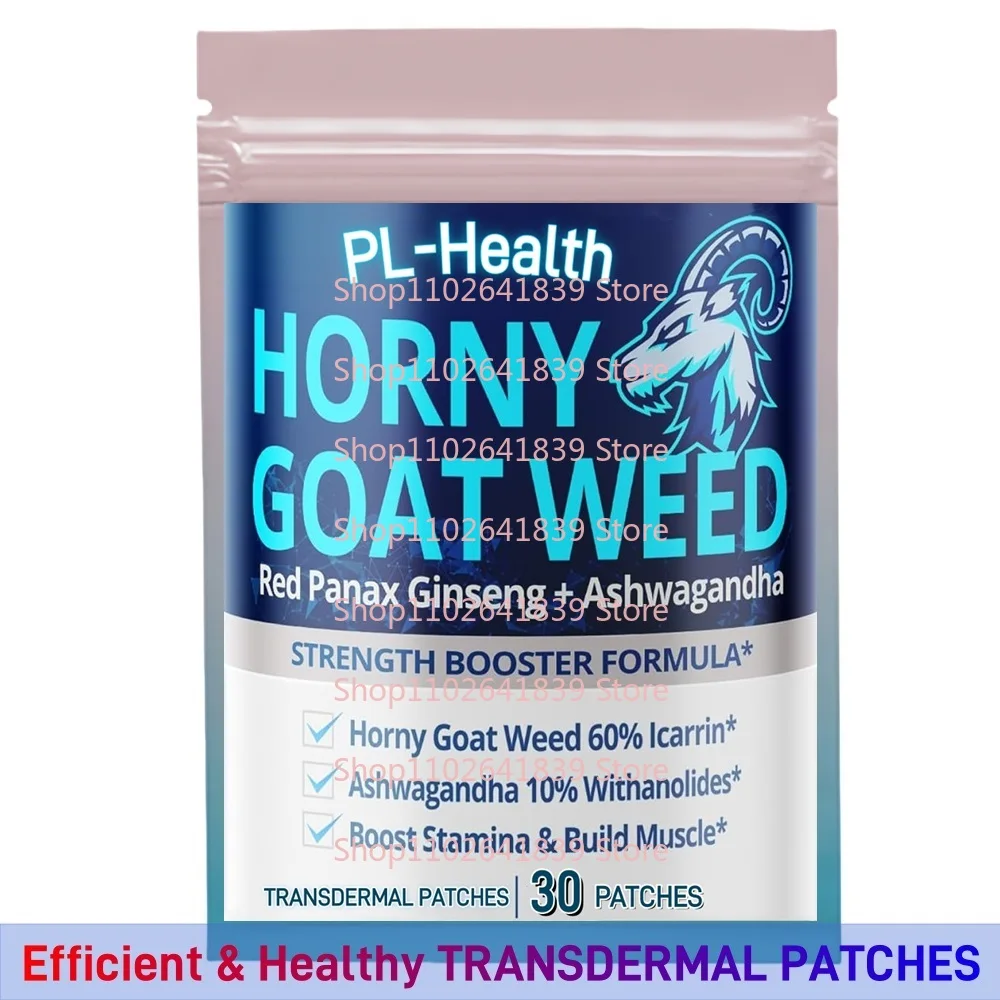
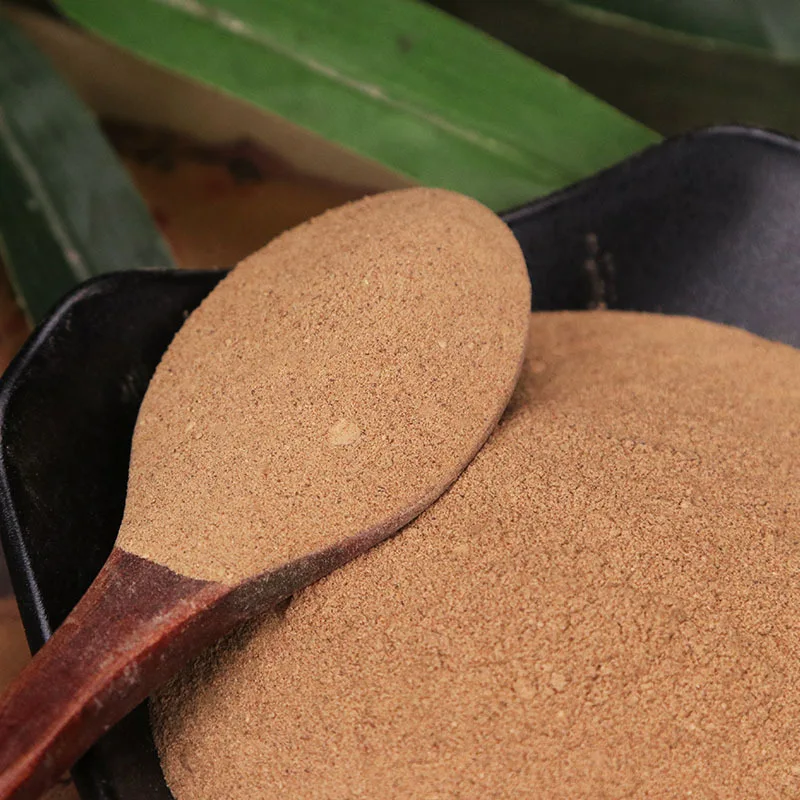
Horny Goat Weed (Epimedium spp.) – Natural Erectile Support
Horny goat weed improves blood flow and inhibits PDE5, the same enzyme targeted by prescription ED medications.
How to Use:
- Take 500-1000 mg of standardized extract daily (Shop Horny Goat Weed Supplements 🔥)
- Look for supplements containing icariin (active compound)


Damiana (Turnera diffusa) – Stress-Relieving Aphrodisiac
Damiana is known for its relaxing effects, which help reduce stress-related sexual dysfunction.
How to Use:
- Take 200-500 mg of damiana extract daily (Find Damiana Supplements ❤️)
- Brew damiana tea for relaxation and libido support


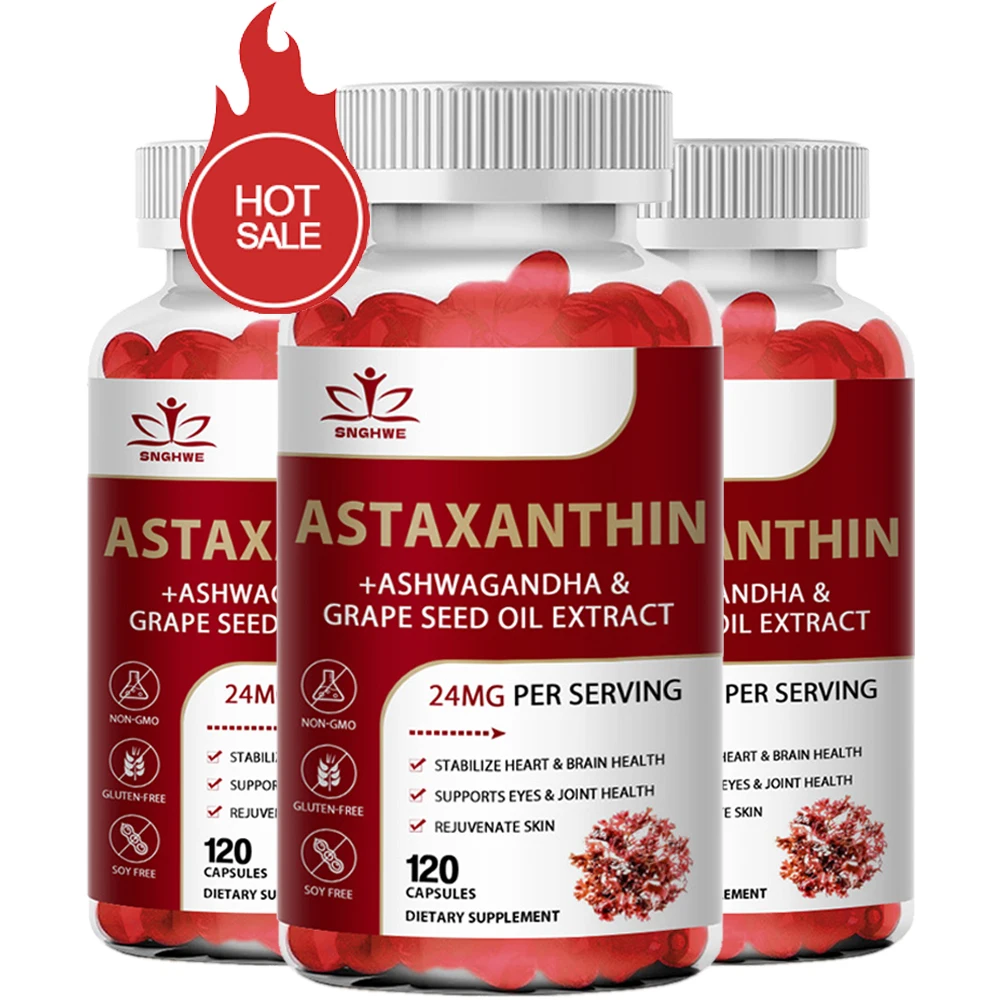
Milky Oats (Avena sativa) – Nutritional Support for Sexual Function
Milky oats nourish the nervous system, helping men dealing with stress-related libido issues.
How to Use:
- Consume 1-3 teaspoons of oat tincture daily (Best Oat Extract Products 🌾)
- Add to smoothies or teas


Herbs for Hair Growth and Hair Loss Prevention
The Connection Between Hormones and Hair Loss
Male pattern baldness is primarily caused by genetics and DHT. Certain herbs can help block DHT, improve circulation, and nourish hair follicles to slow hair loss and promote growth.
Best Herbs for Hair Regeneration
Horsetail (Equisetum arvense) – Rich in Silica for Hair Strength
Horsetail is packed with silica, which strengthens hair and promotes growth.
How to Use:
- Take 500 mg of horsetail extract daily (Top Horsetail Supplements 🏆)
- Use horsetail-infused oil on the scalp
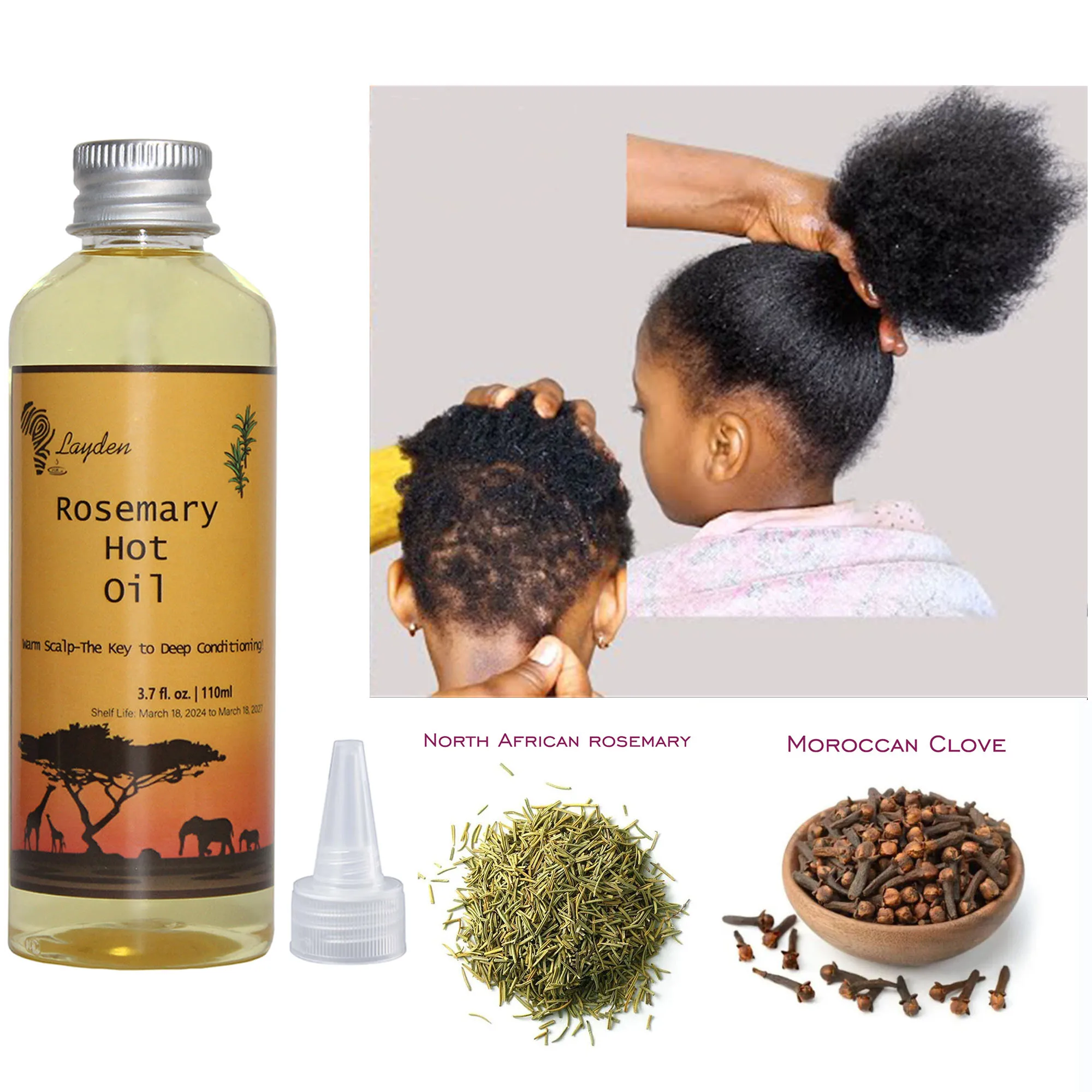
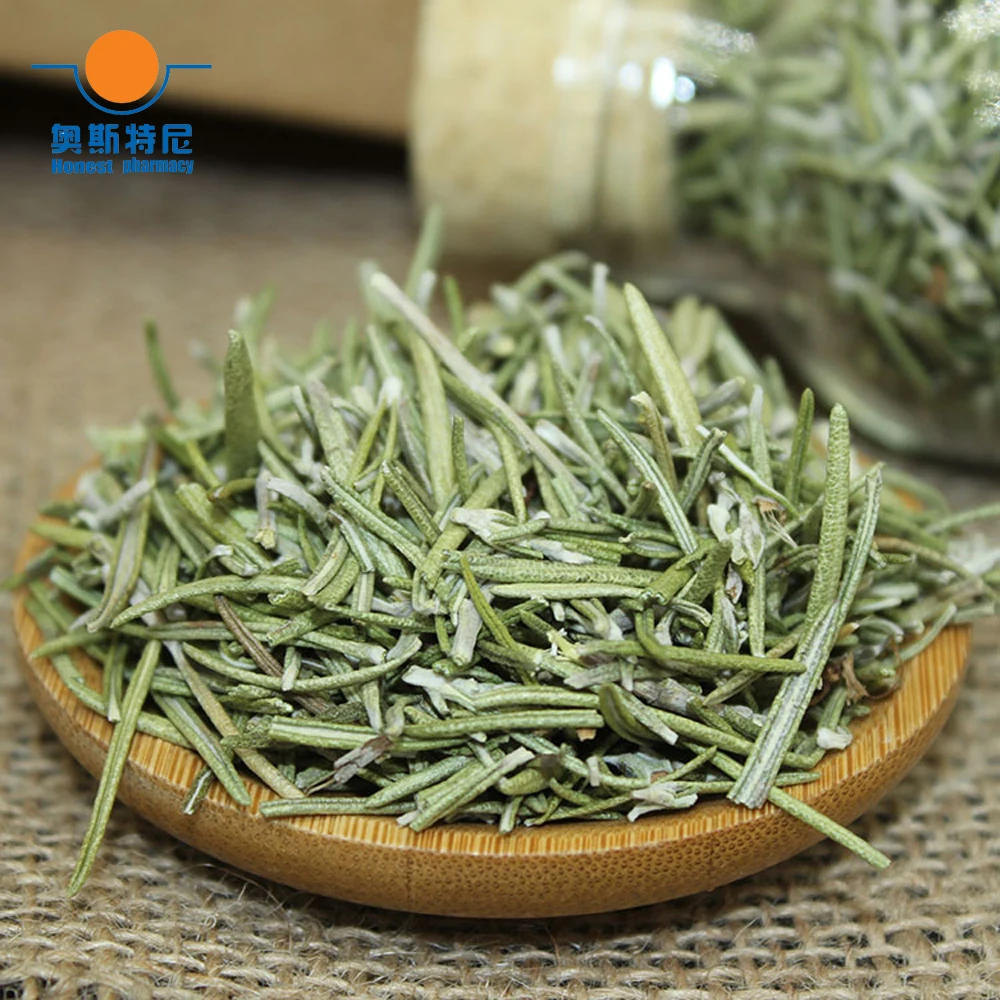
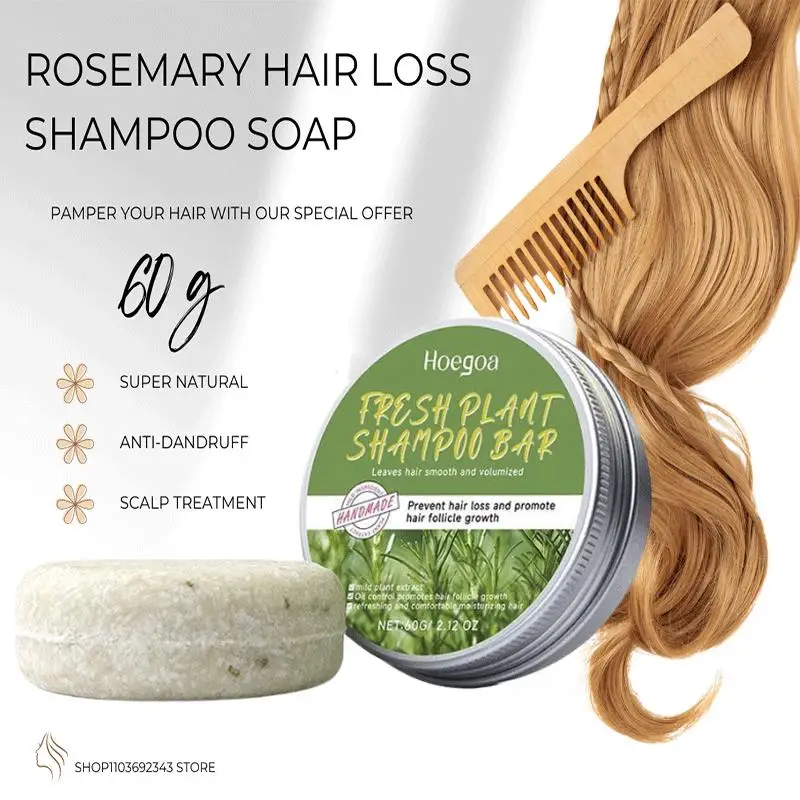
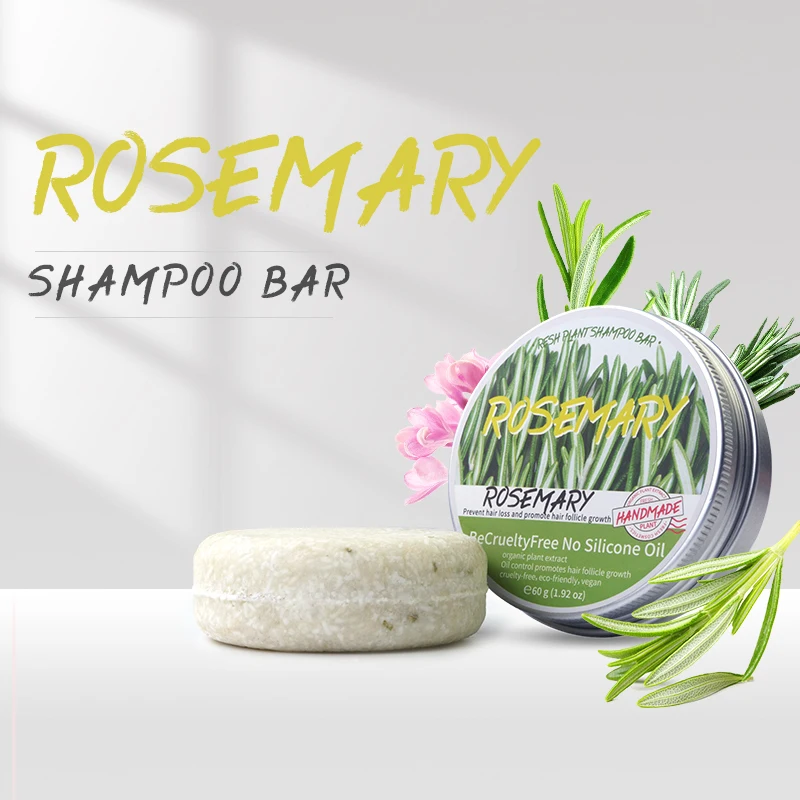
Rosemary (Rosmarinus officinalis) – Stimulates Hair Follicles
Rosemary oil has been shown to increase scalp circulation and inhibit DHT.
How to Use:
- Massage rosemary essential oil into the scalp daily (Get Rosemary Hair Oil 🌱)
- Add rosemary tea to shampoo


Saw Palmetto (Serenoa repens syn.) – DHT Blocker for Hair Loss
Saw palmetto helps reduce hair loss by preventing the conversion of testosterone into DHT.
How to Use:
- Take 320 mg of saw palmetto extract daily (Check Hair Growth Supplements 🧴)
Conclusion: Embracing Herbal Wellness for Optimal Health
Incorporating herbs into daily life can significantly enhance men’s health. Whether it’s boosting energy, supporting prostate function, enhancing libido, promoting hair growth, or managing stress, nature provides powerful, time-tested solutions. Choose high-quality herbal supplements, teas, or extracts for maximum benefits. (Browse the Best Herbal Products Here 🌿)