
Introduction
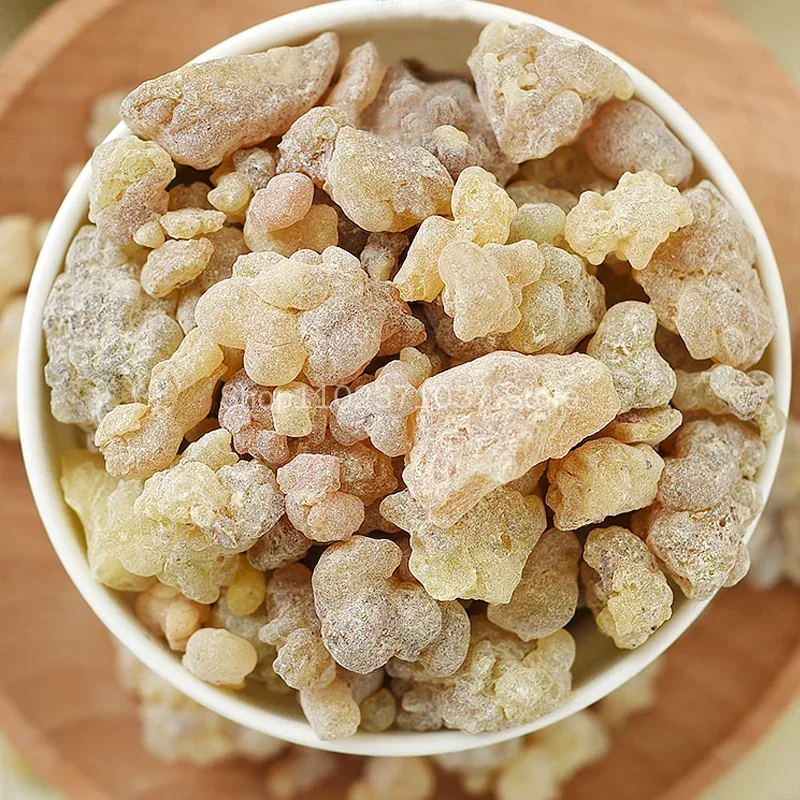
Mastic gum, derived from the resin of the Pistacia lentiscus tree native to the Mediterranean region, has been a prized natural remedy for centuries. Known for its unique taste, subtle aroma, and numerous health benefits, mastic gum is now making a resurgence in modern wellness circles as a multifaceted solution for a variety of health concerns. Its historical use spans ancient Greece, where it was used as a natural chewing gum, to traditional remedies in the Middle East. Here, we explore the many reasons why this ancient resin deserves a place in your daily wellness routine and how its benefits are supported by both traditional wisdom and modern science.
1. Improves Digestive Health
One of the most well-known and widely researched benefits of mastic gum is its ability to support a healthy digestive system. This natural resin has been shown to alleviate symptoms associated with indigestion, including bloating, discomfort, and acid reflux. It is particularly effective against Helicobacter pylori, a bacterium known to cause stomach ulcers and chronic gastritis. The antibacterial properties of mastic gum work to inhibit the growth of harmful microbes in the stomach lining, thereby reducing inflammation and promoting a balanced gut environment. Additionally, mastic gum may also help repair damage to the stomach lining, offering long-term relief for individuals suffering from chronic digestive issues. If you’re interested in a convenient supplement option, check out this highly-rated digestive health product featuring mastic gum and other natural ingredients.
2. Promotes Oral Health
Chewing mastic gum has been a longstanding tradition in Mediterranean cultures, not only as a natural breath freshener but also as a holistic approach to oral hygiene. The antibacterial and antifungal properties of mastic gum can combat the buildup of harmful bacteria in the mouth, which are often responsible for bad breath, tooth decay, and gum disease. Regular use can help reduce plaque formation, prevent cavities, and promote healthier gums. Moreover, mastic gum’s natural composition makes it an excellent alternative to artificial gums and chemical-based oral care products. Beyond its health benefits, the act of chewing mastic gum stimulates saliva production, which is crucial for maintaining a healthy pH balance in the mouth and preventing dry mouth—a condition linked to various oral health issues. For those seeking a simple way to improve their oral care routine, this natural mastic gum chewing pack is worth exploring.





3. Supports Heart Health
Emerging research suggests that mastic gum may play a significant role in promoting cardiovascular health. One of its notable benefits is its ability to lower cholesterol levels, particularly low-density lipoprotein (LDL), which is often referred to as “bad cholesterol.” High levels of LDL cholesterol are a major risk factor for atherosclerosis, a condition where arteries become clogged with fatty deposits. Mastic gum’s antioxidant properties help reduce oxidative stress in the body, which can contribute to the prevention of heart disease. Furthermore, its anti-inflammatory effects may improve blood vessel function, ensuring better blood flow and reducing the risk of hypertension. By incorporating mastic gum into a heart-healthy diet and lifestyle, individuals may be able to better protect their cardiovascular system over the long term.
4. Aids in Liver Health
The liver is a vital organ responsible for detoxifying the body, metabolizing nutrients, and producing essential proteins. Mastic gum has shown promise in supporting liver health by reducing elevated liver enzymes, which are often markers of liver damage or stress. This resin’s antioxidant compounds help combat oxidative damage, protecting liver cells from harm caused by free radicals. Additionally, preliminary studies suggest that mastic gum may enhance the liver’s ability to process and eliminate toxins, thereby improving its overall function. For individuals exposed to environmental toxins, alcohol, or unhealthy diets, mastic gum could serve as a complementary natural aid in maintaining optimal liver health.
5. Anti-Inflammatory Properties
Chronic inflammation is a key contributor to many serious health conditions, including arthritis, diabetes, heart disease, and certain types of cancer. Mastic gum contains bioactive compounds with potent anti-inflammatory properties that can help reduce inflammation throughout the body. These compounds work by inhibiting the production of pro-inflammatory cytokines and enzymes, which are responsible for triggering and sustaining inflammatory responses. This makes mastic gum a potential therapeutic agent for managing inflammatory conditions, both acute and chronic. For individuals with joint pain, autoimmune disorders, or metabolic syndrome, incorporating mastic gum into their wellness routine may provide significant relief and help mitigate long-term health risks associated with chronic inflammation.
6. Improves Skin Health
The benefits of mastic gum extend beyond internal health and into skincare, making it a popular ingredient in modern beauty products. Thanks to its antimicrobial and anti-inflammatory properties, mastic gum can effectively address common skin issues such as acne, redness, and irritation. It is believed to regulate sebum production, which can prevent clogged pores and reduce the occurrence of breakouts. Additionally, mastic gum’s antioxidant properties help protect the skin from damage caused by environmental stressors like pollution and UV rays. Traditional remedies often include applying mastic gum oil directly to wounds or irritated areas to promote healing and reduce scarring. For those looking to achieve a clear, radiant complexion, mastic gum offers a natural and holistic solution.
7. May Aid in Weight Management
Maintaining a healthy weight requires a combination of proper nutrition, regular physical activity, and balanced metabolism. Mastic gum may aid in weight management by improving digestive efficiency and reducing inflammation—two factors that can influence metabolism and energy balance. By supporting gut health and promoting the absorption of essential nutrients, mastic gum can help individuals maintain higher energy levels and reduce cravings for unhealthy foods. Additionally, its potential role in regulating blood sugar levels may prevent spikes and crashes, which are often linked to overeating. While not a standalone solution, mastic gum can be a valuable addition to a comprehensive weight management plan.
8. Helps with Respiratory Issues
Mastic gum has been traditionally used to address respiratory problems, and modern research is beginning to validate its effectiveness. Its antimicrobial properties make it a natural remedy for infections in the respiratory tract, such as bronchitis, sinusitis, and sore throat. Chewing mastic gum or consuming it in capsule form may help clear mucus buildup, reduce inflammation in the airways, and alleviate symptoms of coughing and congestion. For individuals dealing with seasonal allergies or chronic respiratory conditions, mastic gum could serve as a complementary therapy to support better breathing and overall lung health.
9. How to Use Mastic Gum
Mastic gum is a versatile product that comes in various forms, including raw resin, capsules, powders, and essential oils. Chewing the raw resin is a traditional method that not only benefits oral health but also allows for gradual release of its active compounds. Capsules and powders are convenient options for those targeting specific health concerns such as digestive or cardiovascular issues. Essential oils derived from mastic gum can be used topically for skincare or aromatherapy purposes. For best results, it’s important to choose high-quality, pure mastic gum products from reputable sources and follow recommended dosages based on your health goals.
10. Are There Any Side Effects?
Mastic gum is generally well-tolerated by most people, but some individuals may experience mild side effects. These can include gastrointestinal discomfort, such as bloating or nausea, particularly when taken in large doses. Allergic reactions are rare but possible, especially for individuals with sensitivities to tree resins. Pregnant or breastfeeding women, as well as those taking medications for chronic conditions, should consult a healthcare provider before using mastic gum to ensure it is safe for their specific situation. As with any natural supplement, moderation and proper guidance are key to avoiding adverse effects.
Conclusion
From improving digestion and supporting heart health to enhancing skin and oral hygiene, mastic gum offers a wide array of benefits that are deeply rooted in both tradition and scientific research. Its versatility as a natural remedy makes it a valuable addition to any wellness toolkit, providing solutions for various health concerns without the side effects often associated with synthetic alternatives. Whether you’re seeking to boost your overall well-being, address specific health issues, or explore natural ways to enhance your lifestyle, mastic gum could be the hidden gem you’ve been looking for. With its rich history and proven efficacy, it’s time to embrace the remarkable potential of this ancient Mediterranean treasure.




![Cosmetics Rhodiola Rosea 20:1,Hong Jin Tian DIY Aromatherapy Plaster Candle Soap Making[Latest Date Product]](https://ae-pic-a1.aliexpress-media.com/kf/Sd4086c0e412f4a8dacbd43b1836f8b07S.jpg)