Introduction
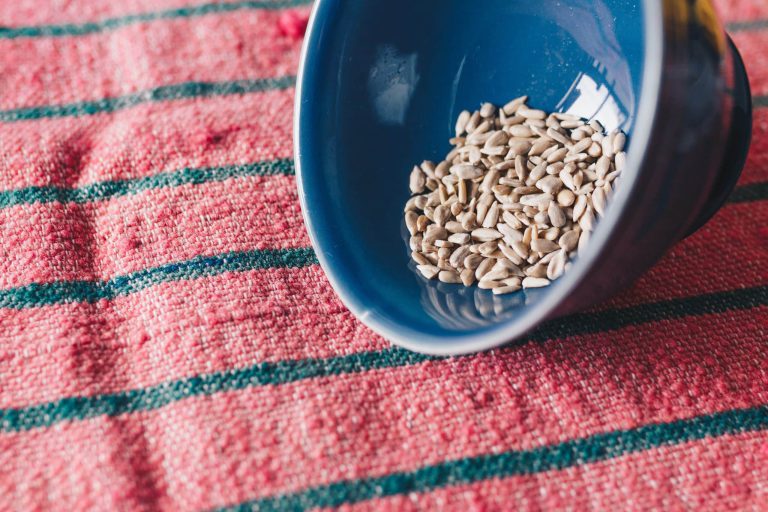
Sunflower milk is a plant-based milk alternative that is made from ground sunflower seeds and water. It has a slightly nutty flavor and is a great option for those who are lactose intolerant or have a dairy allergy.
I will reveal right away that this article will be very useful for people with intestinal diseases, with liver problems, with depressive symptoms, or for all individuals who care about the health of their brain.
Aside from that, in this article, I will also show you, of course, how to make such a smoothie or such milk. I will also explain when a smoothie will be more appropriate and in what medical conditions sunflower milk will be more suitable.
I would like to emphasize that this is a very simple recipe 😉. All you need is a small amount of sunflower seeds, water, and an average blender. And that’s basically it, everything we need.
However, before we move on to the aforementioned recipe, I thought it would be good to first talk a bit about why it’s worth consuming sunflower seeds from time to time or making a smoothie from them. Later, we will move on to the practical part. So let’s answer the question of why it’s worth being interested in sunflower seeds at all and why it’s worth including them in your diet in various forms.
What are the health benefits?
Sunflower milk has a number of health benefits, including being low in calories and high in nutrients. It is a good source of vitamin E, which is an antioxidant that helps to protect the body against damage from free radicals. It also contains magnesium, which is important for muscle and nerve function, as well as bone health. Besides, what’s worth mentioning is that Sunflower is a great source of selenium, manganese and finally lecithin.
Let’s remember that just 30 grams of sunflower seeds offers us 30% of our daily requirements for selenium and manganese, and almost 40% for vitamin E. Let’s also remember that in this small amount of sunflower seeds, which is 30 grams, we can find about 100 mg of lecithin.
Sunflower milk is also a great source of protein, which is important for building and repairing muscle tissue. It is also high in healthy fats, including omega-3 and omega-6 fatty acids, which can help to reduce inflammation in the body.

Superhero Your Arteries Need
As I mentioned earlier, lecithin has a very good effect on the lipid fractions in our blood. In one study, it was shown that the use of lecithin in an amount of 500 mg per day for two months reduced the level of total and “bad cholesterol” by 42% and 56%, respectively, and after four weeks, increased the production of so-called “good cholesterol”.
Please note that in a scientific study, we always use larger doses but over a shorter period of time. So, the amount of lecithin contained in a glass of sunflower seed smoothie will not provide us with such a large amount. Nevertheless, regular use of such milk over a slightly longer period of time may also contribute to reducing cholesterol levels.

“Leaky Gut”? No more!
Various inflammatory conditions within the intestines are caused by inflammatory changes within the lining of our colon. As it turns out, phosphatidylcholine, contained in lecithin, can support the formation of a protective barrier in the lining of our intestines.
I’ll give you a hint that phosphatidylcholine constitutes over 70% of all phospholipids in the mucosal layer of our intestines.
It’s no wonder, then, that a scientific study titled “Lecithin as a therapeutic agent in ulcerative colitis” suggests that lecithin may be helpful in severe intestinal diseases, including ulcerative colitis.
There is one more important piece of information regarding intestinal diseases. In 2007, it was demonstrated that using phosphatidylcholine contained in lecithin helps those patients who are resistant to steroid treatment.
In a scientific study titled “Phosphatidylcholine in chronic steroid-resistant ulcerative colitis – a randomized pilot study,” we can read that phosphatidylcholine contained in lecithin reduces the dependence on corticosteroids, which are used in the course of this disease.
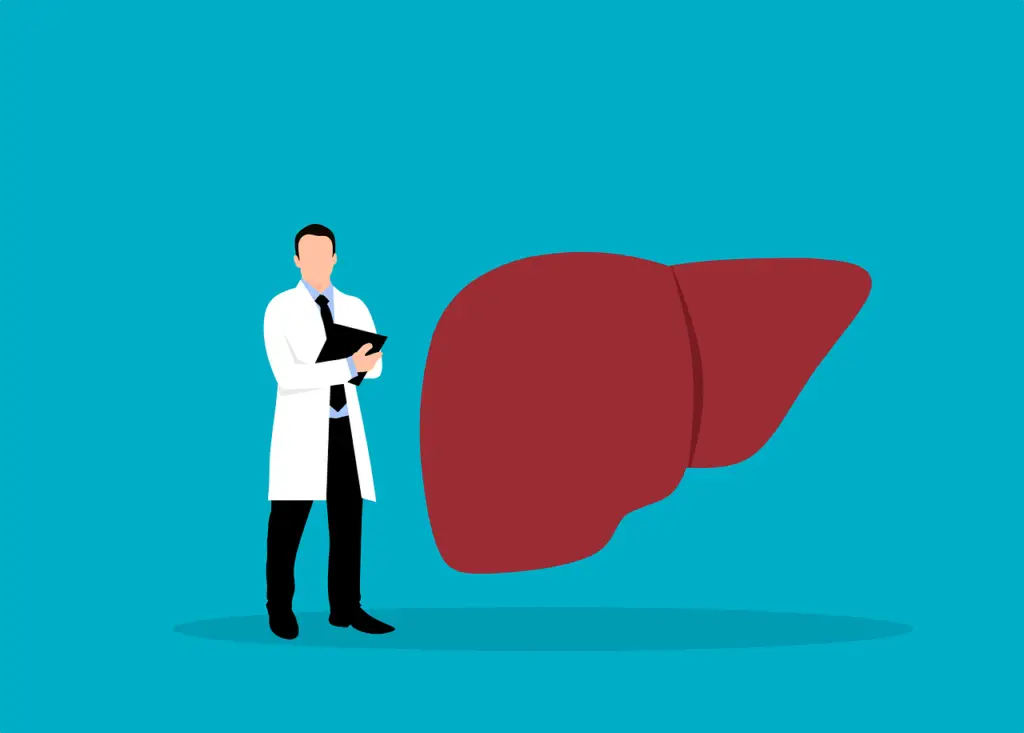
Revive Your Liver
Lecithin can also be very helpful to our liver, and in particular, it can support bile flow.
Lecithin can slow down cholestasis, or the stagnation of bile. Choline contained in lecithin protects liver cells, or hepatocytes.
And finally, in addition to bile flow, it can regulate its production.
Improve Your Immune System!
As I’ve mentioned earlier, one of the key components of lecithin is phosphatidylcholine, which has been shown to have anti-inflammatory properties.
Chronic inflammation can contribute to a variety of health problems, including autoimmune disorders and certain types of cancer. By reducing inflammation in the body, lecithin may help to support immune system function.
In addition, some studies have found that lecithin may help to improve the function of certain immune cells, such as natural killer cells and macrophages. These cells play a key role in identifying and destroying harmful pathogens and cancer cells. By enhancing their function, lecithin may help to improve overall immune system function.
In short, lecithin can improve our immune system by increasing the ability of our immune cells, specifically macrophages, to fight viruses and bacteria by over 30%.

Sunflower Seeds Will Help With Panic Attacks
Now it’s time to talk about the impact of lecithin on stress and our psyche.
Lecithin found in sunflower seeds also contains phosphatidylinositol, a natural compound that can be effective in treating panic attacks.
Research indicates that it is worth using lecithin as a supplementary therapy in the case of bipolar affective disorder.
There are numerous studies which prove the above point. One of which is: “Adjunctive medications in pediatric bipolar disorder.”
We totally recommend that you familiarize yourself with it 😉

Combine With Other Superfoods
The fact of the impact of lecithin on the transport of other natural substances, as well as drugs, will not be insignificant.
As it turns out, lecithin increases the absorption of such plant extracts as grape seed extract, curcumin, green tea, Indian frankincense, or milk thistle, which contains silymarin, a very important substance for the health of our liver.
Therefore, if you are taking any of the aforementioned plant extracts and would like to enhance their effect, you can use lecithin contained in sunflower seeds for this purpose.
Lecithin, a Friend or Foe when it Comes to Alzheimer’s Prevention?
Now we will say something more about the impact of lecithin on the health of our brain.
It must be admitted that the influence of lecithin on brain health is a rather controversial topic among scientists.
However, there are studies whose results suggest a positive impact of lecithin on our brain. It turns out that lecithin may have potential positive effects in patients with Alzheimer’s disease.
Lecithin Intake Benefits During Pregnancy
If we are talking about the nervous system, according to one clinical study, prenatal supplementation of phosphatidylcholine as a dietary source of choline, may promote proper brain development in the fetus.
During pregnancy, lecithin intake can have several benefits for both the mother and the developing fetus.
Firstly, lecithin is a rich source of choline, a nutrient that is essential for fetal brain development. Studies have shown that prenatal choline supplementation, including that from lecithin, can improve cognitive function and reduce the risk of neural tube defects and other birth defects.
Additionally, lecithin has been shown to improve liver function and protect against gestational diabetes, a condition that can affect pregnant women and their developing fetuses.
Lecithin may also help to prevent pre-eclampsia, a serious pregnancy complication characterized by high blood pressure and damage to organs such as the kidneys and liver.
Furthermore, lecithin has been shown to improve digestion and reduce constipation, which can be common during pregnancy due to hormonal changes and pressure from the growing fetus.
Overall, lecithin intake during pregnancy may have several important benefits for both the mother and the developing fetus, including improved brain development, liver function, and digestion, as well as reduced risk of gestational diabetes and pre-eclampsia.

Natural Leverage Against Hepatitis C
Another group of people who can benefit from lecithin and phosphatidylcholine contained in lecithin are individuals suffering from Hepatitis C. infection.
This is important because this type of viral hepatitis is difficult to treat.
Phosphatidylcholine (PC) is a type of lecithin that has been studied for its potential therapeutic effects in the treatment of hepatitis C. Hepatitis C is a viral infection that affects the liver and can lead to serious liver damage or even liver failure if left untreated.
PC is a component of cell membranes and is involved in a variety of cellular functions. Studies have shown that PC can inhibit the replication of the hepatitis C virus (HCV) in vitro, meaning in a laboratory setting outside the body.
Additionally, some studies suggest that PC can enhance the effectiveness of interferon-based therapies in treating HCV.
However, in the case of hepatitis C, it is necessary to combine phosphatidylcholine with interferon.
Interferon is a type of medication that is commonly used in the treatment of hepatitis C. It works by stimulating the immune system to fight the virus. However, interferon-based therapies can have serious side effects and are not effective for all patients.
Studies have suggested that combining PC with interferon-based therapies may enhance the effectiveness of the treatment and reduce the risk of side effects. One study published in the journal Hepatology found that adding PC to interferon-based therapy led to higher rates of sustained virological response, which means that the virus was no longer detectable in the blood of patients six months after treatment.

Lecithin against gallstones
Although despite some studies conducted on animals, it is worth mentioning that a diet containing lecithin, and consequently phosphatidylcholine, can prevent the formation of gallstones.
This is quite important information because we often receive questions from you about how to prevent gallstones with the help of alternative medicine 😉

Lecithin Protects Stomach from Painkiller-Induced Ulcers
Lecithin can be useful in stomach ulcers, but those caused by nonsteroidal anti-inflammatory drugs.
As it turns out, phosphatidylcholine contained in lecithin, which is found in sunflower seeds, protects our stomach from injuries caused by these very popular drugs used in the treatment of chronic pain.
Lecithin Against Breast Cancer
Breast cancer is one of the most common cancers among women worldwide, with millions of new cases being diagnosed every year. While there is no guaranteed way to prevent breast cancer, many studies have shown that certain lifestyle changes and dietary habits can significantly reduce the risk of developing this disease.
One such dietary habit is the regular consumption of lecithin, either through supplements or by including lecithin-rich foods in your diet.
Lecithin is a type of lipid or fat that is essential for the proper functioning of our cells. It is found in a variety of foods, including egg yolks, soybeans, peanuts, and sunflower seeds. Lecithin is also available in supplement form, and many people take it to improve their overall health and well-being.
In recent years, numerous studies have investigated the potential link between lecithin intake and breast cancer risk. The results of these studies have been largely positive, indicating that regular consumption of lecithin can reduce the risk of developing breast cancer.
One such study, published in the International Journal of Cancer, found that women who consumed higher amounts of choline, a component of lecithin, had a lower risk of developing breast cancer.
Another study, published in the journal Cancer Epidemiology, Biomarkers & Prevention, found that women who consumed higher amounts of dietary phosphatidylcholine, another component of lecithin, had a lower risk of breast cancer.
While the exact mechanisms by which lecithin reduces the risk of breast cancer are not yet fully understood, some researchers believe that it may be due to its ability to regulate the production of certain hormones in the body. Hormones like estrogen and progesterone are known to play a role in breast cancer development, and lecithin may help to balance these hormones and reduce the risk of cancer.
It is worth noting that while lecithin may reduce the risk of breast cancer, it is not a cure or a guaranteed preventative measure. It is just one of many lifestyle factors that can help reduce the risk of developing this disease.
Other factors include maintaining a healthy weight, getting regular exercise, limiting alcohol consumption, and getting regular mammograms and breast exams.

Why organic seeds are better?
Let’s discuss a very important piece of information about the seeds themselves. Firstly, if possible, try to look for organic sunflower seeds. If that’s not possible, do not exceed the daily dose of 30 grams.
This is a very important piece of information because sunflower seeds have the ability to accumulate cadmium, which enters our soil with phosphorus fertilizers. Therefore, organic seeds should be free of higher amounts of cadmium.
As evidence, I recommend to you a scientific study from 2001 titled: “Cadmium bioavailability from edible sunflower seeds. Long-term studies with male and female volunteers.” which might further broaden your knowledge, dear reader 😉
Recipe for a Sunflower Milk Potion
When it comes to making your own sunflower milk, it’s actually quite simple. Here’s how you can do it:
Ingredients
- 1 cup of raw, unsalted sunflower seeds
- 4 cups of water
- sweetener of your choice (optional)
Instructions
- Soak the sunflower seeds in water for at least 4 hours, or overnight.
- Drain and rinse the seeds, and then add them to a blender along with the 4 cups of water.
- Blend on high for about 2 minutes, until the mixture is smooth and creamy.
- Strain the mixture through a nut milk bag or a cheesecloth into a bowl, squeezing out as much liquid as possible.
- Add sweetener of your choice, if desired, and store the sunflower milk in a sealed container in the refrigerator for up to 5 days.
Additional Sunflower Milk Recipe + Sunflower Flour
Sunflower Milk vs. Sunflower Smoothie
So, in contrast to sunflower seed milk, smoothie will also contain the pulp, the crushed pulp of the seeds, therefore it will contain practically all the lecithin that was contained in the seeds, but in a much more accessible form. Both in terms of absorption in the intestines, but also in terms of form in general.
it will definitely be easier for us to drink a smoothie than to chew sunflower seeds for many minutes, and please believe me, from my own experience and the experience of other people, I know that very often different people are discouraged from various seeds. Not just sunflower seeds but all seeds as to satisfy the daily portion and dose, you have to throw the seeds for a very long and prolonged time.
There you have it, my friend. A simple and healthy alternative to dairy milk that you can easily make at home.
Sum up
The use of Sunflower Milk and all other sources of lecithin is associated with a reduced risk of breast cancer.
Sunflower Milk has also been found to have potential benefits in improving the immune system. It contains a nutrient called choline, which plays a vital role in maintaining the structural integrity of cell membranes, including those of immune cells.
This, in turn, enhances the immune response and improves the body’s ability to fight infections and diseases.
Sunflower Milk can also help reduce inflammation in the body, which is an important factor in maintaining a healthy immune system.
Overall, incorporating Sunflower Milk into your diet can have numerous benefits for your health and well-being, including a reduced risk of breast cancer and improved immune function.