
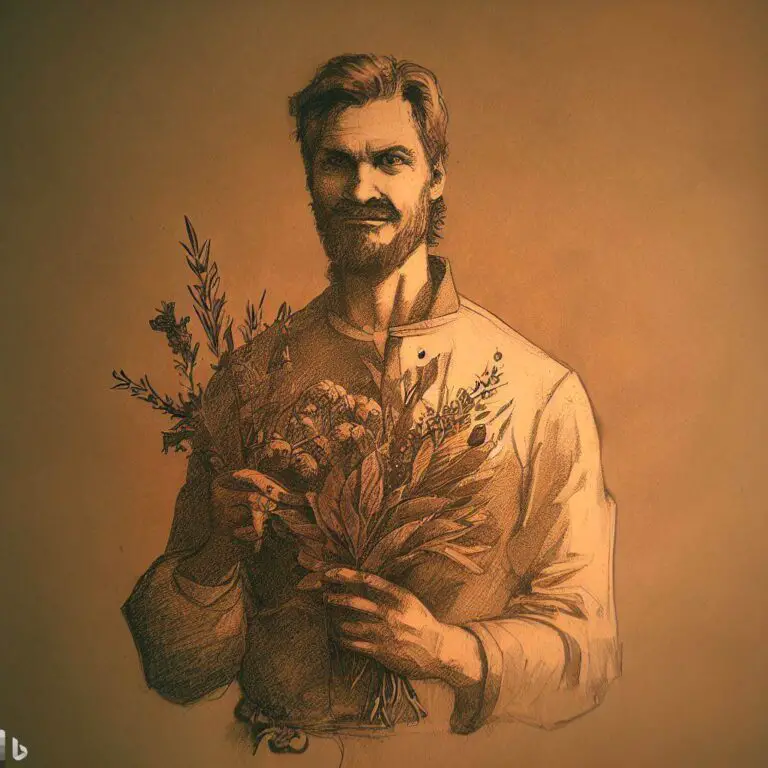
Herbalism, the use of herbs in ancient medicine, has been a significant aspect of human civilization since time immemorial. Throughout history, people have turned to the natural world for remedies to heal diseases and alleviate various ailments. This comprehensive article explores the fascinating history of herbalism, delving into the different cultures that employed herbs to cure illnesses and the significant milestones in the development of this age-old practice.
The Origins of Herbalism
The use of herbs for medicinal purposes dates back to prehistoric times, long before the advent of modern medicine. Early humans relied on their knowledge of the natural world to treat ailments and maintain good health. Over time, as civilizations developed, so too did the understanding and application of herbal remedies.
Prehistoric Herbalism
Archaeological evidence suggests that humans were using medicinal plants during the Paleolithic era, approximately 60,000 years ago. For example, the Neanderthal burial site “Shanidar IV” in northern Iraq revealed large amounts of pollen from eight plant species, seven of which are still used as herbal remedies today.
Another fascinating discovery was the 5,000-year-old body of Ötzi the Iceman, found preserved in the Ötztal Alps. Among his belongings were various herbs, indicating that he had knowledge of their medicinal properties.
Ancient Herbalism in Mesopotamia
The Sumerians, who lived in Mesopotamia over 5,000 years ago, were among the first to document the use of herbs in medicine. They created clay tablets detailing the names and uses of hundreds of medicinal plants, such as myrrh and opium, showcasing their extensive understanding of herbalism.
Herbalism in Ancient Egypt
Ancient Egyptian texts, such as the Ebers Papyrus dating from 1500 BC, provide valuable insights into the use of herbs in ancient medicine. The papyrus lists over 876 remedies derived from more than 500 plants, including garlic, juniper, cannabis, castor bean, aloe, and mandrake.
Egyptian healers were highly respected, and their knowledge of herbal medicine spread to other civilizations, such as Rome and Babylon. Interestingly, many of the herbs used in ancient Egypt are still employed today for their medicinal properties.
Herbalism in Ancient India
In ancient India, Ayurveda medicine made extensive use of herbs, such as turmeric, dating back to 1,000 BC. This holistic approach to healing emphasized the importance of balance within the individual and utilized herbs, diet, and natural remedies to restore harmony.
Early Sanskrit writings, such as the Rig Veda and Atharva Veda, detail the medical knowledge that formed the basis of the Ayurveda system. Many of these herbs and minerals are still used today, proving their enduring effectiveness in treating various ailments.
Herbalism in Ancient China
Herbalism in ancient China can be traced back to the Bronze Age Shang dynasty. The mythological Chinese emperor Shennong is said to have written the first Chinese pharmacopoeia, the “Shennong Ben Cao Jing”, which lists 365 medicinal plants and their uses.
Chinese herbal medicine was based on the belief that health was a result of a balance between opposing forces, and treatments aimed to stimulate the body’s healing mechanisms. Many of these herbal remedies are still in use today, demonstrating the lasting legacy of ancient Chinese herbalism.
Herbalism in Ancient Greece and Rome
Hippocrates
Hippocrates, the renowned Greek physician, described 236 healing herbs and provided detailed instructions for their collection. He also categorized foods and herbs by their basic qualities, such as hot, cold, damp, and dry.
Hippocrates’ theories emphasized the importance of maintaining a balance within the body and the connection between physical health and the environment. His ideas laid the groundwork for the development of herbal medicine in the Western world.
Pedanius Dioscorides
Pedanius Dioscorides, a Greek physician serving with the Roman army, wrote the influential herbal book “De Materia Medica” around 65 AD. This work described the medicinal uses of over 600 plants and served as a cornerstone for herbal medicine for centuries to come.
Herbalism in the Middle Ages
During the Middle Ages, herbal medicine was embraced by society at all levels. Emperor Charlemagne, for example, detailed 70 herbs he wished to be planted for the benefit of his subjects.
Monasteries played a crucial role in the preservation and dissemination of herbal knowledge. Monks copied and translated the works of Hippocrates, Galen, and Dioscorides, and grew medicinal herbs in their monastery gardens.
Herbalists and wise women in the countryside also provided valuable medical advice and treatments, often combining herbal remedies with spells and enchantments.
The Renaissance and Beyond
The invention of the Gutenberg printing press in 1440 allowed for the mass production of herbal texts, making knowledge more accessible to the general public. This period saw the publication of many groundbreaking works on herbal medicine, such as John Gerard’s “The Herball or General History of Plants” and Nicholas Culpeper’s “The English Physician” and “The Complete Herbal”.
However, by the 19th century, advances in scientific understanding led to a shift away from traditional herbalism towards evidence-based pharmaceutical drugs. Despite this, the use of herbal medicine experienced a resurgence during times of crisis, such as World War I and II, when conventional drugs were in short supply.
Herbalism Today
In modern times, there has been a renewed interest in herbal remedies, as concerns about the side effects of pharmaceutical treatments have grown. Herbal medicine associations have been established worldwide to promote the use of herbal treatments and ensure quality control.
Many of the herbs used in ancient medicine are still employed today, backed by scientific research that helps us understand their healing properties. As a testament to the enduring power of herbalism, the use of herbs to heal diseases and promote good health continues to be a valuable part of our global medical heritage.
Conclusion
The use of herbs in ancient medicine has left a lasting impact on the way we approach health and healing today. As we continue to learn more about the properties of herbs and their potential to cure illness, it is essential to remember the rich history and wisdom that has been passed down through the generations. Herbalism reminds us of the importance of balance, harmony, and the interconnectedness of nature and human health, providing us with timeless principles to guide our journey towards well-being.