
Tag

natural remedies

Browsing

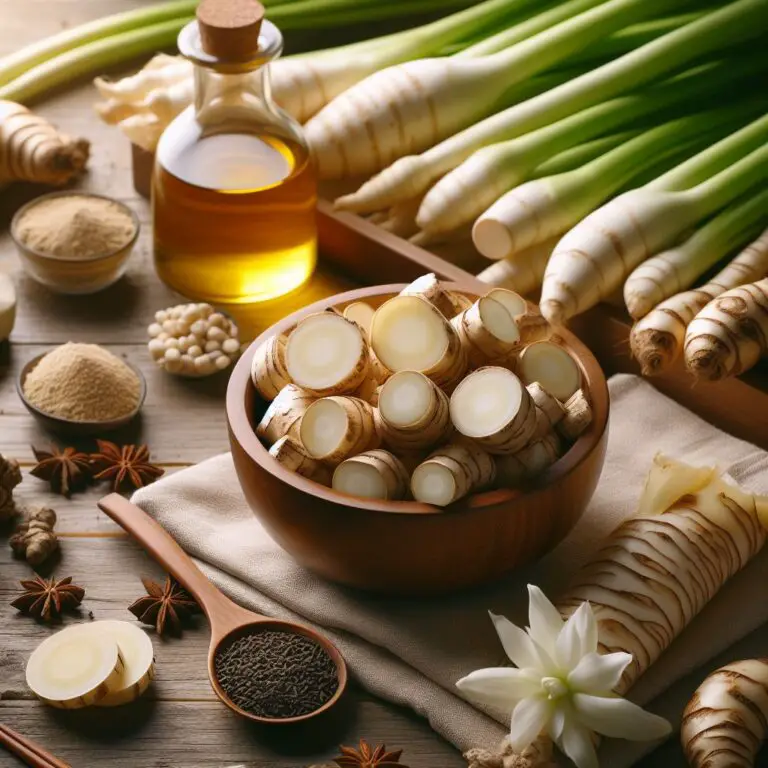
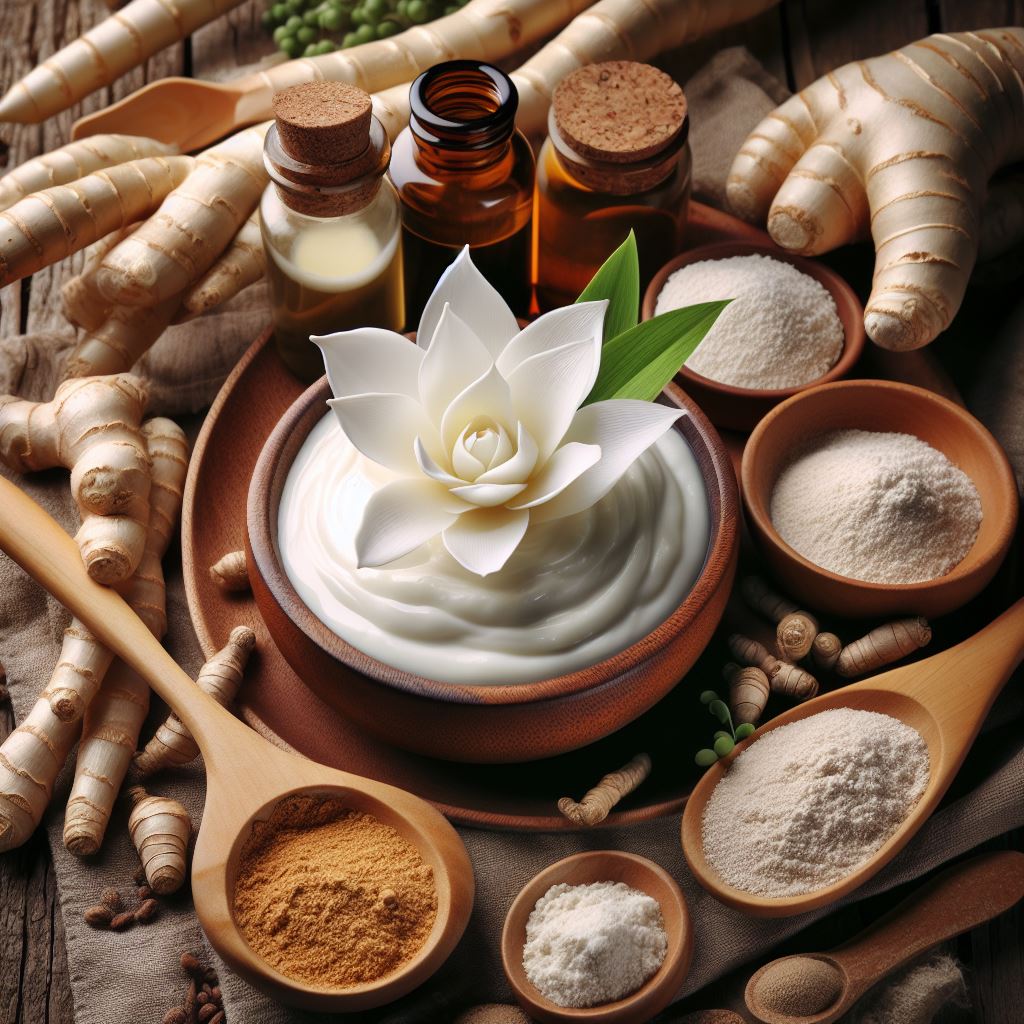
Ginger, the humble root with a fiery kick, has graced kitchens and medicine cabinets for centuries. But beyond its culinary versatility, ginger boasts a treasure trove of potential health benefits, making it a worthy addition to your wellness routine. Let’s delve into the science and explore how incorporating ginger into your diet can empower your well-being.

A Fiery Friend: Unpacking the Powerhouse of Gingerol

The hero behind ginger’s magic lies in its bioactive compound, gingerol. This pungent molecule packs a punch of anti-inflammatory and antioxidant properties, acting as your body’s internal warrior against free radicals and harmful inflammation.

Taming the Tempest: Ginger for Nausea and Digestive woes

Ginger’s claim to fame lies in its ability to quell nausea and soothe digestive discomfort. Whether it’s morning sickness plaguing expectant mothers, chemotherapy-induced nausea, or everyday motion sickness, ginger offers a natural and effective solution. Studies suggest that ginger effectively reduces nausea and vomiting, acting as a gentle yet potent remedy.

Beyond Nausea: Ginger’s Impact on Overall Health

Ginger’s benefits extend far beyond calming your stomach. Here’s a glimpse into its diverse potential:

  • Pain Relief: Gingerol’s anti-inflammatory properties may offer relief from chronic pain conditions like osteoarthritis and rheumatoid arthritis. Research suggests it can reduce pain and improve function, offering a natural alternative to pain medications.
  • Blood Sugar Control: Ginger may hold promise for individuals with type 2 diabetes. Some studies indicate it can improve blood sugar regulation and insulin sensitivity, contributing to better diabetes management.
  • Heart Health Hero: Ginger’s anti-inflammatory and antioxidant effects may benefit heart health. Research suggests it can lower bad cholesterol (LDL) levels and improve blood pressure, potentially reducing the risk of heart disease.
  • Brain Booster: Emerging evidence suggests ginger may enhance cognitive function and memory. Its antioxidant properties can protect brain cells from damage and improve cognitive performance.

Ginger’s Journey: From Root to Remedy

So, how can you integrate ginger into your daily life and reap its benefits? Here are some delicious and practical ways:

  • Spice Up Your Meals: Add grated ginger to stir-fries, curries, marinades, and smoothies. A pinch in baked goods and desserts adds a unique zing.
  • Tea Time Treat: Steep fresh ginger slices or ginger tea bags in hot water for a soothing and flavorful beverage. Add honey or lemon for a personalized touch.
  • Chew on It: Ginger chews offer a convenient way to enjoy ginger’s benefits on the go. Opt for sugar-free varieties for a healthier choice.
  • Supplement Power: Ginger supplements are available in capsule, extract, and tincture forms. Consult your doctor before starting any supplements, especially if you have any health conditions or are taking medications.

A Word of Caution:

While ginger is generally safe for most people, moderation is key. Excessive intake can cause side effects like heartburn and stomach upset. Consult your doctor if you have any concerns or are pregnant or breastfeeding.

Ginger: A Gift from Nature’s Kitchen

Ginger is not just a culinary delight; it’s a potent ally in your pursuit of well-being. From calming your stomach to potentially supporting your heart and brain health, incorporating ginger into your diet offers a natural approach to enhancing your overall health. So, embrace the fiery friend and embark on a journey towards a healthier you, one ginger-infused step at a time!

Did you know that apple cider vinegar can be beneficial for individuals with high blood sugar and triglyceride levels? How exactly does it impact the body, and what is the recommended dosage for experiencing its positive effects?

Did you know that…

  • Apple cider vinegar is most often used as an addition to salads or marinades
  • Studies show that consuming 15-30 ml (1-2 tablespoons) of apple cider vinegar a day for two months has improved parameters such as cholesterol and glucose levels
  • We explain how to choose a good apple cider vinegar that will have the most healthy properties

Introduction

For thousands of years, vinegar has been recognized as one of the oldest fermented products. There is extensive documented evidence that it was highly regarded as a favorite spice, preservative, and thirst-quenching beverage in ancient Babylonia.

Apple cider vinegar is produced through anaerobic alcoholic fermentation of apples with yeast, followed by aerobic acetic acid bacteria (AAB) biosynthesis of acetic acid. This vinegar has been a staple in Polish cuisine, used as an ingredient in salads, sauces, meat marinades, and even in folk medicine as a remedy for heartburn, nausea, colds, and hair loss. Its consumption offers numerous health benefits.

Apple cider vinegar contains crucial ingredients required for vital life processes, such as amino acids, minerals (iron, fluorine, potassium, calcium, copper, magnesium, sodium, phosphorus, sulfur, silicon), and vitamins, including B1, B2, B6, C, E, P, and substantial amounts of beta-carotene. Due to the presence of pectins, it has a favorable impact on the microbiome, while aiding in the treatment of anemia by increasing iron absorption.

Health Benefits

Consumption of 15-30 ml of apple cider vinegar daily for 8 weeks lowered serum total cholesterol by an average of 6 mg/dl, fasting plasma glucose by 8 mg/dl, and HbA1C by 0.5 units. There was no significant effect of apple cider vinegar consumption on serum LDL-C, HDL-C, fasting insulin or HOMA-IR. In addition, a significant reduction in total cholesterol and serum triglycerides was observed in the group of patients diagnosed with type 2 diabetes.

Animal experiments have shown that apple cider vinegar has various pharmacological functions, including antioxidant, anti-inflammatory, antidiabetic, antihypertensive and antihyperlipidemic.

Which Apple Cider Vinegar to choose?

For optimal benefits, the most healthful type of vinegar is unpasteurized, unfiltered, and unheated. Consequently, the finest quality vinegar would be naturally cloudy, viscous, and dark. It may display foam on the surface and sediment at the bottom of the bottle, which does not indicate any fault with the product. On the contrary, it confirms that the vinegar is of the highest quality and freshness. Preparing such vinegar is straightforward and can be accomplished effortlessly.

How To Make Homemade Apple Cider Vinegar? [BONUS]

To make homemade apple cider vinegar, begin by crushing the apples with a meat mallet, then pour cooled, boiled water over them and cover them with gauze. Leave the mixture in a warm area for several weeks, ensuring it is covered with a cloth. You may also add 2–3 tablespoons of sugar per liter of water to accelerate the process.
Once the mixture stops foaming and no more bubbles appear, the fermentation process is complete.

The final product should have a sweet and sour taste, a pleasant aroma of apples, and be cloudy in appearance.

Given its delightful flavor and health advantages, incorporating homemade apple cider vinegar into your kitchen is unquestionably worthwhile.

Herbalism, the practice of using plants for health and healing, has evolved over millennia, weaving traditional knowledge with modern science. Among the many fascinating areas of herbalism, adaptogenic herbs have gained notable attention in recent years — celebrated for their ability to help the body resist stress and maintain balance.

What Are Adaptogens?

Adaptogens are a unique class of herbs believed to enhance the body’s resilience to physical, emotional, and environmental stressors. The term “adaptogen” was coined in the mid-20th century to describe substances that help “adapt” the body to stress without causing harm or over-stimulation.

These herbs don’t target a single symptom or disease but instead support overall homeostasis — the body’s natural state of equilibrium. They work subtly, improving energy, stamina, mental clarity, and immune function.

Popular Adaptogenic Herbs

Some of the most well-known adaptogens include:

  • Ashwagandha (Withania somnifera): Often called Indian ginseng, this root is revered in Ayurvedic medicine for reducing anxiety, improving sleep, and boosting vitality.
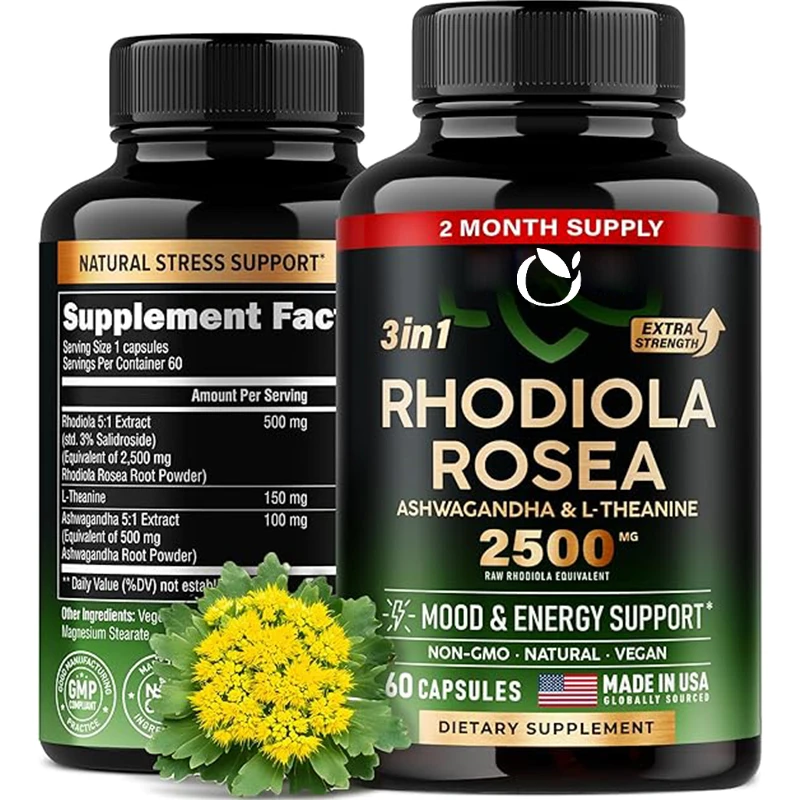
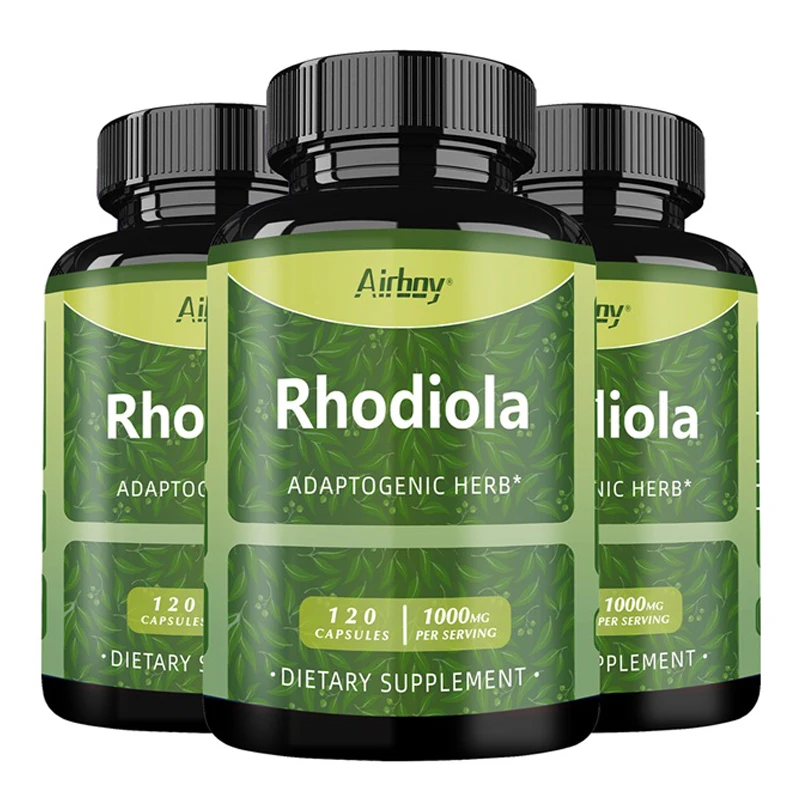
  • Rhodiola (Rhodiola rosea): Traditionally used in cold climates like Siberia, it supports mental endurance and combats fatigue.
  • Holy Basil (Ocimum sanctum): A sacred herb in India, it promotes relaxation and supports the immune system.
  • Ginseng (Panax ginseng): Known as a tonic herb, it enhances physical performance and cognitive function.
  • Schisandra (Schisandra chinensis): Used in Traditional Chinese Medicine, it protects the liver and improves resistance to stress.

How Do Adaptogens Work?

Adaptogens influence the hypothalamic-pituitary-adrenal (HPA) axis, a key system that controls the body’s response to stress. By modulating hormone levels such as cortisol, they help normalize stress responses — whether the stress is from overwork, illness, or emotional challenges.

Unlike stimulants or sedatives, adaptogens don’t push the body too far in either direction. Instead, they offer a balancing effect, helping to restore energy and calmness where needed.

Why Are Adaptogens Popular Today?

Modern lifestyles, with their constant pressures and fast pace, have fueled a surge in interest in adaptogens. People look for natural ways to:

  • Manage chronic stress and anxiety.
  • Improve mental focus and memory.
  • Boost energy without caffeine jitters.
  • Support immune health during busy or challenging times.

Moreover, adaptogens fit well into holistic health approaches, often used alongside diet, exercise, meditation, and other wellness practices.

Scientific Research and Challenges

While centuries of traditional use back adaptogens’ benefits, modern scientific research is still catching up. Many clinical studies show promising results in reducing fatigue, improving cognitive function, and regulating stress hormones. However, challenges remain in standardizing doses, identifying active compounds, and understanding long-term effects.

How to Use Adaptogens Safely

  • Start Slow: Introduce adaptogens gradually to observe your body’s response.
  • Consult a Professional: If you have underlying health conditions or take medications, check with a healthcare provider.
  • Quality Counts: Use reputable sources to ensure purity and potency.
  • Consistency: Adaptogens often require several weeks of use to notice benefits.

Conclusion

Adaptogenic herbs represent a fascinating bridge between ancient herbal wisdom and modern health challenges. Their gentle yet powerful support for stress resilience makes them a valuable tool in today’s herbalism toolkit. By embracing adaptogens thoughtfully, many find renewed balance, vitality, and calm amid life’s demands.

Introduction

Histamines are chemicals produced by the body’s immune system in response to an injury, infection, or allergen exposure. They are released by mast cells, which are part of the body’s defense system, and play a crucial role in the body’s immune response.

Histamines are responsible for many of the symptoms associated with an allergic reaction, such as itching, swelling, redness, and increased mucus production. They cause blood vessels to dilate, which can lead to a drop in blood pressure and an increase in heart rate.

While histamines play an important role in the body’s immune response, they can also cause problems in some individuals. For example, people with allergies may experience an overactive immune response, which can lead to excessive histamine release and the symptoms associated with an allergic reaction. Some people may also have a condition called histamine intolerance, where their body has difficulty breaking down and eliminating histamines, leading to a range of symptoms such as headaches, hives, and digestive problems.

Histamine is also involved in the regulation of gastric acid secretion, sleep-wake cycles, and the stimulation of certain neurotransmitters in the brain.

Antihistamines are medications that block the effects of histamines, and are commonly used to treat allergies and other conditions where excessive histamine release is a problem.

Histamine and allergies?

Histamines play a key role in the body’s immune response to allergens. When the body comes into contact with an allergen, such as pollen or pet dander, it triggers the release of histamines from specialized cells called mast cells. These histamines bind to receptors on blood vessels and other cells, causing them to dilate and become more permeable.

This increased blood flow and permeability allows immune cells to travel to the site of the allergen exposure, but it also leads to the symptoms associated with allergies, such as itching, sneezing, runny nose, and watery eyes. Histamines are also responsible for more severe allergic reactions, such as anaphylaxis, which can be life-threatening.

Antihistamines are medications that work by blocking the effects of histamines, and are commonly used to treat allergy symptoms. They are available in both over-the-counter and prescription forms, and can be taken orally or applied topically.

While antihistamines can be effective in reducing allergy symptoms, they do not address the underlying cause of the allergy. For that reason, allergen avoidance and immunotherapy (allergy shots) are often recommended to treat allergies. Allergen avoidance involves identifying and avoiding the allergen that triggers your symptoms, while immunotherapy works by desensitizing the immune system to the allergen over time.

Importance of an Inner-Balance

Histamines are essential for maintaining a healthy immune system, but an imbalance in histamine levels can lead to a range of health problems. In this blog post, we’ll explore the importance of histamine balance and how it can impact your health. We’ll also discuss some of the causes of histamine imbalances, and what you can do to restore balance and support your overall health.

Herbal Medicine

Herbal medicine has been used for centuries to treat a variety of health conditions, including those related to histamine imbalances. Some herbs have been shown to have antihistamine and anti-inflammatory properties, making them useful for treating conditions like allergies and asthma.

Here are some examples of herbs that are commonly used to support histamine balance:

  1. Stinging nettle: Stinging nettle has long been used as a natural remedy for allergies and other inflammatory conditions. It contains compounds that act as natural antihistamines, blocking the release of histamines from mast cells.
  2. Butterbur: Butterbur is a shrub that has been used for centuries to treat migraines, allergies, and asthma. It contains compounds that have been shown to reduce inflammation and block the release of histamines.
  3. Turmeric: Turmeric is a spice that has anti-inflammatory and antioxidant properties. It has been shown to reduce histamine levels and improve symptoms in people with allergies.
  4. Quercetin: Quercetin is a flavonoid that is found in many fruits and vegetables. It has been shown to have natural antihistamine properties, and may be useful for treating allergies and other inflammatory conditions.
  5. Licorice root: Licorice root has been used for centuries to treat a variety of health conditions, including allergies and asthma. It contains compounds that have been shown to reduce inflammation and improve lung function.

Summary

While herbal remedies can be effective in supporting histamine balance and reducing allergy symptoms, it’s important to use them under the guidance of a qualified healthcare professional.

Some herbs can interact with medications or cause side effects, and it’s important to use them in the appropriate doses and forms.

Additionally, herbal remedies should not be used as a substitute for standard medical care. If you have allergies or other health conditions, it’s important to work with a healthcare provider to develop a comprehensive treatment plan that addresses your individual needs.

In summary, histamines are a key part of the body’s immune response to allergens, but an overactive histamine response can lead to the symptoms associated with allergies.

Antihistamines can be effective in reducing these symptoms, but long-term management of allergies usually involves addressing the underlying cause through allergen avoidance or immunotherapy.

Introduction

Stinging nettle, also known as Urtica dioica, is a perennial plant that has been used for thousands of years for its various medicinal and nutritional properties.

Common Use

Here are some of the ancient uses of stinging nettle:

  1. Nutritional supplement: The young leaves of stinging nettle were commonly eaten as a nutritious food source in many ancient cultures. The plant is rich in vitamins and minerals, including iron, calcium, and vitamin C, making it an important source of nutrition for people living in areas where other food sources were scarce.
  2. Medicinal properties: Stinging nettle was widely used in traditional medicine for its various healing properties. It was used as a diuretic, to promote lactation, and to treat arthritis and other inflammatory conditions. The plant was also used as a natural remedy for allergies, asthma, and other respiratory conditions.
  3. Textile production: Stinging nettle was used to make fabric and textiles in many ancient cultures. The fibers from the stem of the plant were used to create a strong, durable fabric that was used to make clothing, bags, and other household items.
  4. Agriculture: Stinging nettle was also used as a natural fertilizer for crops. The plant is rich in nitrogen, which can help to promote healthy plant growth and increase crop yields.

Against Allergies?

While stinging nettle has been used as a natural remedy for allergies, ironically, it can also cause an allergic reaction in some people. The plant has small hairs on its leaves and stems that contain histamines and other chemicals that can cause itching, redness, and a stinging sensation when they come into contact with the skin. In some people, this contact can trigger an allergic reaction, which may cause symptoms such as hives, itching, and difficulty breathing.

However, despite this potential for allergic reactions, stinging nettle has been used as a natural remedy for allergies due to its anti-inflammatory properties. The plant contains compounds that can help to reduce inflammation in the body, which is often a key contributor to allergic symptoms such as sneezing, congestion, and itchy eyes. Some studies have shown that taking stinging nettle supplements or drinking nettle tea may help to reduce allergy symptoms, although more research is needed to confirm these effects.

Overall, stinging nettle has a complex relationship with allergies. While the plant itself can trigger an allergic reaction in some people, it may also offer some relief from allergy symptoms in others.

Against Arthritis?

Stinging nettle, a plant with a long history of use in traditional medicine, has been used to treat a variety of conditions, including arthritis. The plant contains a range of biologically active compounds, including anti-inflammatory agents, that may help to reduce the symptoms of arthritis.

Arthritis is a group of conditions that cause inflammation in the joints, leading to pain, stiffness, and reduced mobility. Stinging nettle has been used to treat both osteoarthritis and rheumatoid arthritis, which are the two most common forms of the disease.

Research suggests that stinging nettle may be effective in reducing joint pain and inflammation in people with arthritis. For example, a 2013 study published in the Journal of Ethnopharmacology found that stinging nettle extract reduced inflammation and improved joint pain in people with osteoarthritis. Another study published in the Journal of Rheumatology found that stinging nettle leaf extract was effective in reducing pain and other symptoms in people with rheumatoid arthritis.

It’s believed that the anti-inflammatory compounds in stinging nettle, such as flavonoids and carotenoids, may be responsible for the plant’s beneficial effects on arthritis. These compounds are thought to work by reducing the levels of inflammatory chemicals in the body, thereby reducing pain and swelling in the joints.

A review of studies published in the Journal of the Royal Society of Medicine found that stinging nettle was effective in reducing symptoms of allergic rhinitis.

As an anti-inflammatory cure?

Stinging nettle (Urtica dioica) has been traditionally used as a natural remedy for a variety of inflammatory conditions due to its anti-inflammatory properties. Inflammation is a natural response by the body’s immune system to injury, infection, or tissue damage. However, chronic inflammation can lead to various diseases, such as rheumatoid arthritis, inflammatory bowel disease, and cardiovascular disease.

Stinging nettle has been shown to contain several active compounds, including flavonoids, polyphenols, and lignans, that have anti-inflammatory properties. These compounds can help to reduce inflammation by inhibiting the activity of inflammatory chemicals in the body, such as cytokines and prostaglandins.

Research has shown that stinging nettle may be effective in treating various inflammatory conditions. For example, a study published in the Journal of Rheumatology found that stinging nettle leaf extract was effective in reducing pain and other symptoms in people with osteoarthritis. Another study published in the Journal of Ethnopharmacology found that stinging nettle extract reduced inflammation and improved joint pain in people with osteoarthritis.

Final Words…

As with any natural remedy or supplement, it’s important to talk to a healthcare provider before using stinging nettle to address allergy symptoms, especially if you have a history of allergies or other medical conditions.

Sea buckthorn (Hippophae rhamnoides), a vibrant orange berry-bearing plant, has been revered for centuries for its powerful medicinal properties. Used in traditional medicine across Europe and Asia, this resilient shrub offers an array of health benefits, making it a staple in herbalism. From boosting immunity to enhancing skin health, sea buckthorn is a powerhouse of nutrients and bioactive compounds.

Nutritional Profile of Sea Buckthorn

Sea buckthorn is exceptionally rich in essential nutrients, including:

  • Vitamins: A, C, E, K, and a full spectrum of B-complex vitamins.
  • Omega fatty acids: Unique among plants, it contains all four omega fatty acids (3, 6, 7, and 9), particularly omega-7, which is rare and beneficial for skin and mucosal health.
  • Antioxidants: Polyphenols, flavonoids, and carotenoids that protect cells from oxidative stress.
  • Minerals: Magnesium, calcium, iron, and potassium, essential for overall well-being.

Medicinal Uses of Sea Buckthorn

1. Immune System Support

Sea buckthorn is packed with vitamin C, providing a significant boost to the immune system. Its high antioxidant content helps the body combat infections, inflammation, and oxidative damage, making it a popular choice for cold and flu prevention.

2. Skin and Wound Healing

Thanks to its omega-7 fatty acids and vitamin E, sea buckthorn promotes skin regeneration and wound healing. It is commonly used in creams and oils to treat burns, eczema, psoriasis, and acne. Additionally, its ability to stimulate collagen production makes it a natural anti-aging remedy.

3. Cardiovascular Health

Studies suggest that sea buckthorn can help lower bad cholesterol (LDL) and improve good cholesterol (HDL), reducing the risk of heart disease. Its flavonoids and phytosterols contribute to improved blood circulation and arterial health.

4. Digestive and Gastrointestinal Aid

Sea buckthorn oil is widely used for soothing gastrointestinal disorders such as gastritis, ulcers, and acid reflux. It protects the stomach lining, reduces inflammation, and promotes the healing of mucous membranes.

5. Liver Protection and Detoxification

Rich in bioactive compounds, sea buckthorn supports liver function and detoxification. Research indicates that it can help prevent liver damage caused by toxins, alcohol, and medication overuse.

6. Eye Health

With a high content of carotenoids and vitamin A, sea buckthorn plays a crucial role in maintaining eye health, preventing dryness, and reducing the risk of age-related macular degeneration.

How to Use Sea Buckthorn in Herbalism

Sea buckthorn can be consumed and applied in various forms, including:

  • Juice: A potent immune booster, taken daily in small amounts.
  • Oil: Applied topically for skin conditions or taken orally for internal health benefits.
  • Tea: Made from dried berries or leaves, offering a soothing and nutritious drink.
  • Capsules/Supplements: Convenient for those looking to integrate sea buckthorn into their daily routine.

Precautions and Considerations

While sea buckthorn is generally safe for most individuals, it may interact with blood-thinning medications or lower blood pressure. Those with allergies to similar fruits should consult a healthcare professional before use.

Conclusion

Sea buckthorn is a remarkable medicinal plant with a wide range of health benefits. Whether you incorporate it into your diet, skincare routine, or herbal remedies, this nutrient-dense berry can enhance overall wellness and vitality. As interest in herbal medicine continues to grow, sea buckthorn remains a shining example of nature’s healing power.
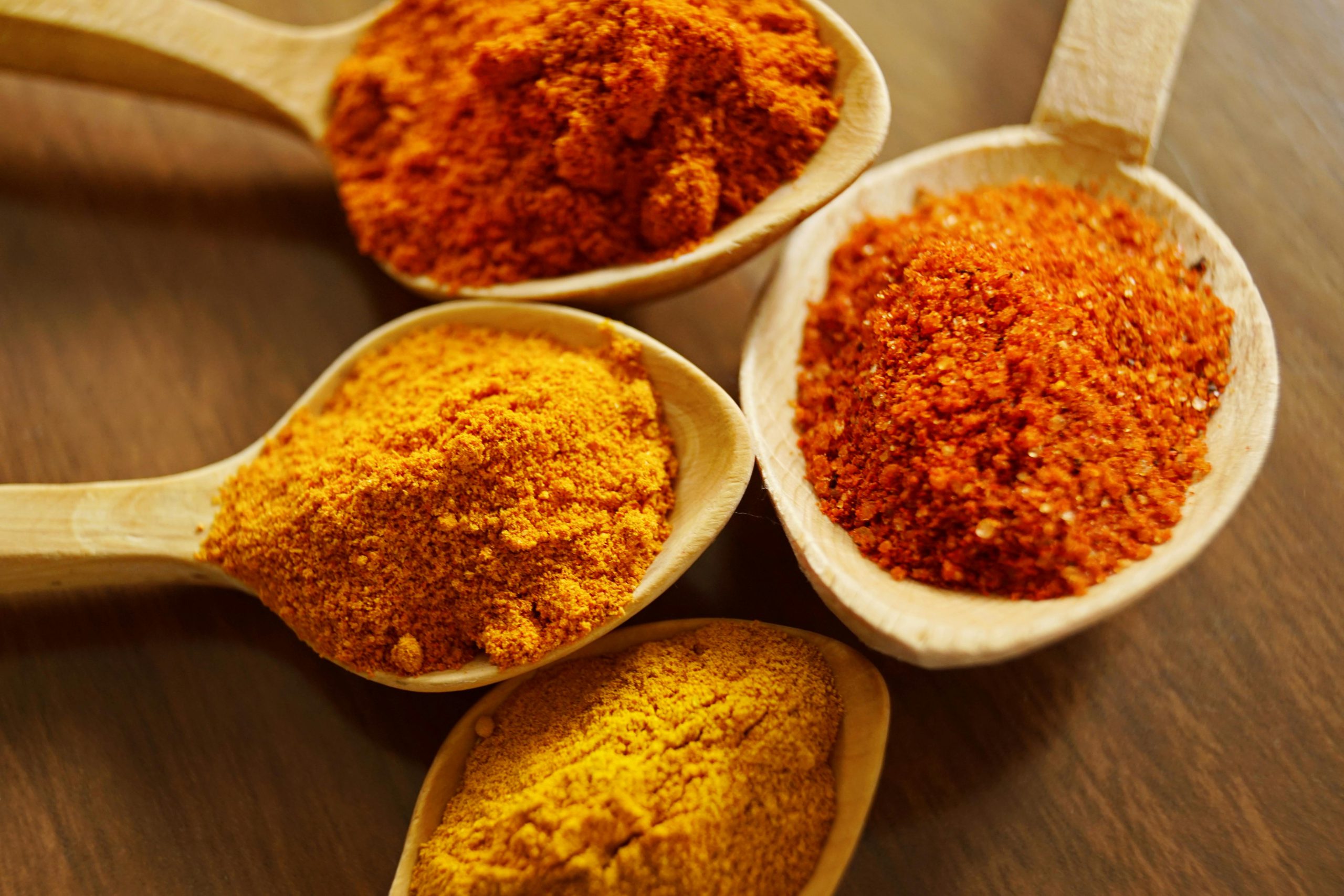

For centuries, turmeric has been celebrated as one of the most versatile and powerful natural remedies in traditional medicine. Known for its vibrant yellow hue, distinct flavor, and potent health benefits, turmeric has earned its place as a culinary and therapeutic marvel. This blog delves deep into the history, uses, and health benefits of turmeric, exploring why this golden spice continues to captivate modern science and traditional practices alike.


A Brief History of Turmeric

Turmeric (Curcuma longa) is a flowering plant of the ginger family, Zingiberaceae, native to Southeast Asia. Its rhizome, or underground stem, is ground into the yellow powder commonly used in cooking and medicine. Historical records trace turmeric’s use back over 4,000 years to the Vedic culture in India, where it was revered for its culinary, medicinal, and spiritual properties.

In Ayurveda, India’s traditional system of medicine, turmeric is known as “Haridra” and is considered a symbol of prosperity. It was used to treat a range of ailments, from respiratory issues to skin conditions. Similarly, Traditional Chinese Medicine (TCM) embraced turmeric for its ability to stimulate blood circulation and reduce inflammation.

In modern times, turmeric has gained global recognition, not only as a spice that enhances dishes but also as a potent health supplement.


The Active Compound: Curcumin

The primary bioactive compound in turmeric is curcumin, a polyphenol that gives turmeric its yellow color and most of its health benefits. Curcumin is celebrated for its anti-inflammatory, antioxidant, antimicrobial, and anticancer properties. However, curcumin’s bioavailability—its ability to be absorbed and utilized by the body—is relatively low. To counter this, researchers and health enthusiasts recommend combining turmeric with black pepper, which contains piperine, a compound that enhances curcumin absorption by up to 2,000%.


Culinary Uses of Turmeric

1. A Staple in Global Cuisines

Turmeric is an essential ingredient in many cuisines worldwide. In Indian cooking, it’s a cornerstone of spice blends like curry powder and masalas. In Southeast Asia, turmeric enriches dishes such as rendang and satay. Beyond Asia, turmeric is used to flavor and color mustards, soups, rice, and beverages.

2. Golden Milk (Turmeric Latte)

Golden milk, a mixture of warm milk and turmeric with spices like cinnamon and ginger, has become a global health trend. It’s praised for its soothing effects and potential to reduce inflammation and improve sleep quality.

3. Turmeric Tea

Turmeric tea is another popular way to incorporate this spice into daily life. Often combined with honey, lemon, and black pepper, this herbal tea is believed to boost immunity and digestion.


Turmeric in Medicine and Health

1. Anti-Inflammatory Effects

Chronic inflammation is linked to numerous diseases, including arthritis, diabetes, heart disease, and Alzheimer’s. Curcumin has been extensively studied for its ability to reduce inflammation at a molecular level by blocking certain inflammatory pathways. This makes turmeric an effective natural remedy for conditions like osteoarthritis and rheumatoid arthritis.

2. Antioxidant Powerhouse

Oxidative stress, caused by free radicals, contributes to aging and chronic diseases. Turmeric’s curcumin is a potent antioxidant that neutralizes free radicals and boosts the body’s own antioxidant enzymes, providing double protection against oxidative damage.

3. Support for Brain Health

Curcumin may cross the blood-brain barrier and has been shown to increase brain-derived neurotrophic factor (BDNF), a growth hormone crucial for brain function. This has led researchers to explore turmeric’s potential in preventing or delaying neurodegenerative diseases like Alzheimer’s and improving memory and mood.

4. Cardiovascular Benefits

Heart disease is the leading cause of death worldwide. Turmeric’s anti-inflammatory and antioxidant properties help improve endothelial function (the lining of blood vessels), regulate blood pressure, and reduce the risk of heart disease.

5. Digestive Health

Turmeric has long been used to alleviate digestive issues. Its anti-inflammatory properties may help manage conditions like irritable bowel syndrome (IBS) and inflammatory bowel disease (IBD). Turmeric also stimulates bile production, aiding fat digestion.

6. Skin Benefits

Turmeric’s antimicrobial and anti-inflammatory properties make it a popular ingredient in skincare. It’s used to treat acne, eczema, and other skin conditions. Many people create DIY face masks using turmeric for its ability to brighten skin and reduce scarring.

7. Immune Support

Turmeric’s immune-boosting properties stem from its antioxidant and anti-inflammatory effects. Regular consumption of turmeric may enhance the body’s ability to fight infections and reduce the severity of illnesses.

8. Cancer Prevention

Emerging research suggests that curcumin may help prevent the growth of certain types of cancer by inhibiting tumor growth and metastasis. While more human studies are needed, turmeric’s potential as a complementary therapy is promising.


How to Incorporate Turmeric into Your Life

1. Cooking

Add turmeric to your meals, soups, and smoothies. A pinch of black pepper enhances its effectiveness.

2. Supplements

For those seeking higher doses of curcumin, turmeric supplements are available in various forms, including capsules and powders. Look for products with piperine for better absorption.

3. DIY Skincare

Mix turmeric with honey, yogurt, or aloe vera for a natural face mask. Be cautious, as turmeric can stain skin temporarily.

4. Beverages

Try turmeric-infused drinks like golden milk, turmeric tea, or smoothies to enjoy its benefits in a flavorful way.


Precautions and Side Effects

While turmeric is generally safe, excessive consumption may lead to side effects, including:

  • Gastrointestinal Issues: High doses may cause stomach upset or diarrhea.
  • Allergic Reactions: Rare but possible.
  • Blood Thinning: Turmeric may slow blood clotting, so individuals on anticoagulants should consult a healthcare provider.
  • Pregnancy and Breastfeeding: Moderate dietary use is safe, but supplements should be avoided unless advised by a doctor.

The Future of Turmeric Research

Despite its ancient roots, turmeric remains a focus of modern research. Scientists are exploring advanced delivery methods to improve curcumin’s bioavailability, such as liposomal and nanoparticle formulations. Additionally, studies continue to investigate its potential in treating chronic diseases and its role in personalized medicine.


Final Thoughts

Turmeric’s journey from ancient remedy to modern superfood is a testament to its remarkable versatility and efficacy. Whether used in cooking, medicine, or skincare, turmeric offers a plethora of benefits that make it a worthy addition to your daily routine. As science continues to unveil its secrets, one thing remains clear: turmeric is more than just a spice—it’s a golden key to better health.

There are several herbs that may help alleviate symptoms of menopause, although it’s important to note that the scientific evidence supporting their use is limited, and you should always speak to your doctor before trying any new herbs or supplements.

Here are a few herbs that have been traditionally used to alleviate menopause symptoms:

  1. Black cohosh: Black cohosh is a popular herb used to alleviate hot flashes, mood swings, and other menopause symptoms. Some studies have suggested that it may be helpful, although more research is needed to confirm its effectiveness.
  2. Red clover: Red clover contains isoflavones, which are phytoestrogens that may help alleviate menopause symptoms. However, more research is needed to determine its effectiveness.
  3. Dong quai: Dong quai is a traditional Chinese herb that has been used to alleviate menopause symptoms, including hot flashes, mood swings, and vaginal dryness. However, there is limited scientific evidence supporting its use.
  4. Evening primrose oil: Evening primrose oil contains gamma-linolenic acid, which is an essential fatty acid that may help alleviate hot flashes and other menopause symptoms. However, more research is needed to confirm its effectiveness.
  5. Sage: Sage is an herb that may help alleviate hot flashes and night sweats. However, more research is needed to determine its effectiveness.

It’s important to note that some herbs can interact with medications or cause side effects, so it’s always a good idea to talk to your doctor before trying any new herbs or supplements.

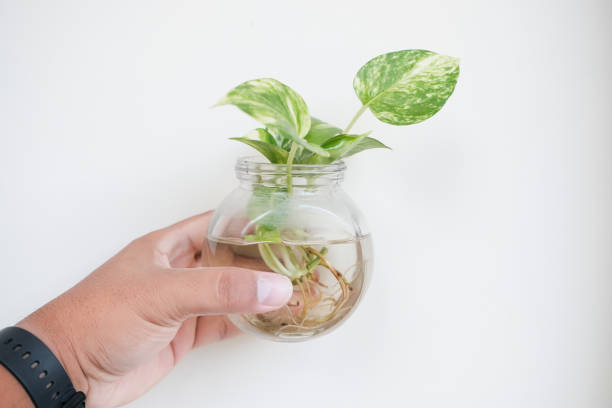
Planting ivory plant using water in the reuse jar

Air pollution is a growing concern around the world, with studies showing that air pollution can have severe impacts on our health. In addition to outdoor air pollution, indoor air pollution can also be a significant health hazard. One of the best ways to improve indoor air quality is by introducing air-purifying plants into your living space.

Air-purifying plants are a natural and cost-effective way to improve indoor air quality. These plants have been shown to remove harmful toxins and pollutants from the air, creating a healthier living environment. Here are some of the best air-purifying plants to consider for your home:

  1. Spider Plant (Chlorophytum comosum): Spider plants are excellent air-purifying plants that are easy to care for and are known for their ability to remove harmful pollutants such as formaldehyde and benzene from the air. They are also known to help reduce airborne mold and other allergens.
  2. Peace Lily (Spathiphyllum): Peace lilies are beautiful plants that can help improve indoor air quality by removing toxins such as benzene, formaldehyde, and trichloroethylene. They are also known to help reduce mold spores, making them an excellent choice for those with allergies.
  3. Snake Plant (Sansevieria): Snake plants are known for their ability to remove toxins such as formaldehyde, benzene, and xylene from the air. They are also easy to care for and can survive in low light conditions, making them an excellent choice for those with less sunny living spaces.
  4. Aloe Vera (Aloe barbadensis): Aloe vera is a popular plant that is known for its health benefits. It is also an excellent air-purifying plant that can help remove pollutants such as formaldehyde and benzene from the air.
  5. Bamboo Palm (Chamaedorea seifrizii): The bamboo palm is an excellent air-purifying plant that can help remove pollutants such as benzene, formaldehyde, and trichloroethylene from the air. It is also known for its ability to add moisture to the air, making it an excellent choice for those living in dry environments.
  6. Golden Pothos (Epipremnum aureum): The golden pothos is a hardy plant that can help remove pollutants such as formaldehyde and benzene from the air. It is also known to help reduce airborne mold, making it an excellent choice for those with allergies.
Air-purifying plants are a natural and effective way to improve indoor air quality and create a healthier living environment.

These are just a few of the many air-purifying plants available to improve the air quality in your home. Air-purifying plants work by absorbing harmful toxins and pollutants through their leaves and roots, converting them into harmless byproducts. As a result, indoor air quality is improved, reducing the risk of health problems such as respiratory issues, headaches, and allergies.

In addition to their air-purifying benefits, these plants also have other health benefits. For example, many of these plants can help reduce stress and anxiety, improve focus and productivity, and enhance mood and creativity. Plants have also been shown to have a calming effect, helping to reduce stress levels and create a relaxing environment.

When selecting air-purifying plants, it is important to consider the size and lighting conditions of your living space. Some plants require more sunlight than others, so it is essential to choose a plant that can thrive in the available light. It is also important to consider the toxicity of the plant if you have children or pets.

In conclusion, air-purifying plants are a natural and effective way to improve indoor air quality and create a healthier living environment. They have several health benefits and can help reduce the risk of respiratory issues, headaches, and allergies. With so many beautiful and easy-to-care-for air-purifying plants available, it’s easy to

Introduction

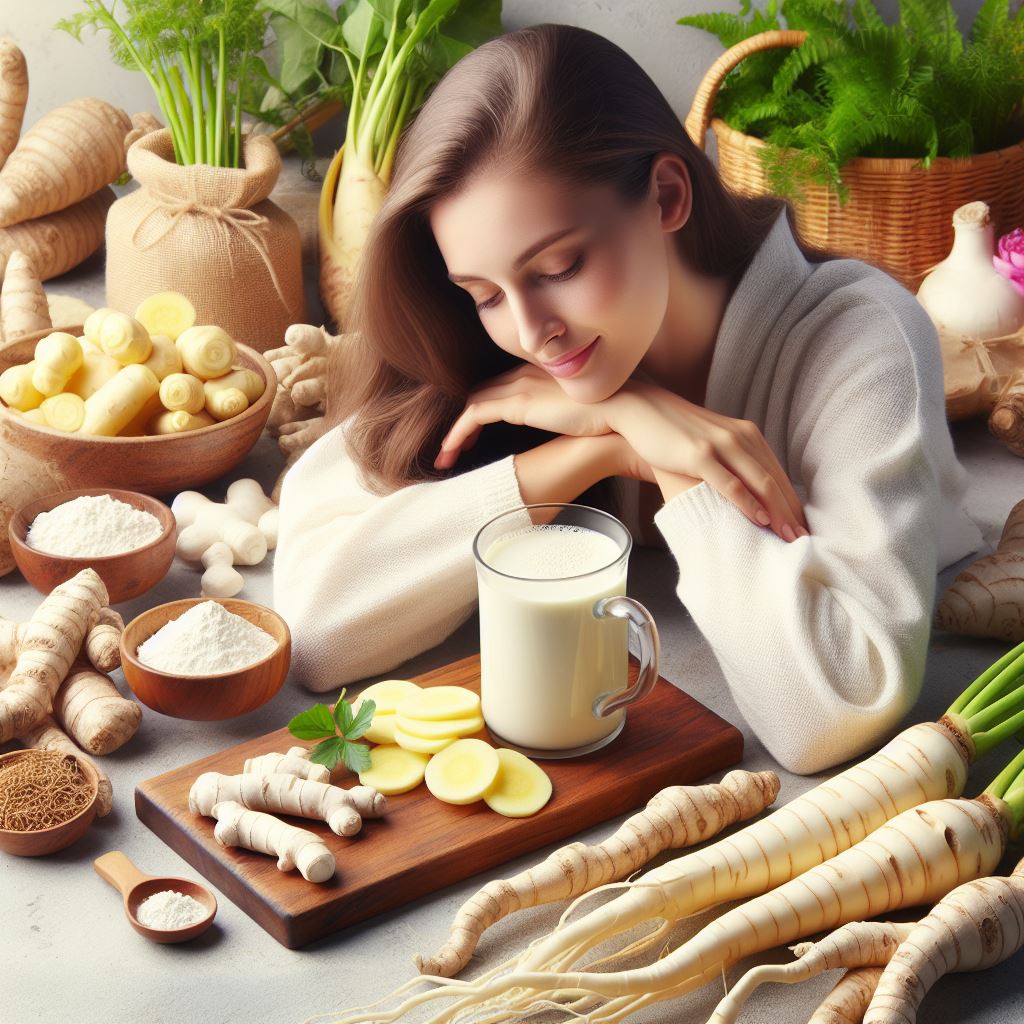
In the realm of natural remedies for digestive discomfort, arrowroot emerges as a time-honored solution with a rich history of use. Derived from the rhizomes of tropical plants, arrowroot has been celebrated for its myriad health benefits, particularly its ability to alleviate digestive problems. While modern medicine continues to uncover the wonders of this humble root, its traditional use in treating gastrointestinal issues dates back centuries.

Arrowroot, scientifically known as Maranta arundinacea, is a starchy root that has been utilized by indigenous cultures for generations. Originally native to the Caribbean islands, arrowroot is now cultivated in various tropical regions worldwide. This versatile root is prized not only for its culinary applications but also for its medicinal properties.

Arrowroot boasts a nutritional profile that contributes to its digestive benefits. Rich in nutrients such as potassium, iron, and B vitamins, arrowroot serves as a nourishing addition to the diet. However, its true power lies in its ability to soothe and support the digestive system.

How Arrowroot Aids Digestion

At the heart of arrowroot’s digestive prowess lies its remarkable ability to calm and alleviate gastrointestinal distress. Whether it’s soothing an upset stomach or easing the symptoms of diarrhea, arrowroot has been revered for its gentle yet effective approach to digestive health.

One of the key mechanisms through which arrowroot aids digestion is its ability to form a soothing gel-like substance when mixed with water. This gel coats the lining of the stomach and intestines, providing a protective barrier that helps alleviate irritation and inflammation. Additionally, arrowroot’s high starch content can help bulk up stools and regulate bowel movements, making it particularly beneficial for individuals struggling with diarrhea or loose stools.

Moreover, arrowroot’s neutral flavor and gentle nature make it suitable for individuals with sensitive stomachs or dietary restrictions. Unlike some other remedies that may cause further irritation or discomfort, arrowroot offers a gentle solution that is well-tolerated by most individuals.

In the following sections, we’ll delve deeper into the scientific basis for arrowroot’s digestive benefits, explore practical ways to incorporate it into your diet, and provide guidance on using arrowroot safely and effectively as a natural remedy for digestive woes. Join us as we embark on a journey to unlock the digestive benefits of arrowroot and discover its potential to transform your gut health.

Scientific Basis and Evidence

While arrowroot’s traditional use for digestive issues is well-documented, modern scientific research continues to shed light on its mechanisms and efficacy. Several studies have explored the potential of arrowroot in promoting digestive health and alleviating gastrointestinal symptoms.

Research suggests that arrowroot’s high starch content plays a significant role in its digestive benefits. The starches in arrowroot are easily digestible, making it a gentle yet effective source of energy for the body. Additionally, the gel-like substance formed by arrowroot when mixed with water has been shown to have protective properties that may help reduce inflammation and irritation in the digestive tract.

Furthermore, some studies indicate that arrowroot may have prebiotic effects, meaning it can promote the growth of beneficial bacteria in the gut. By nurturing a healthy balance of gut flora, arrowroot may contribute to improved digestion and overall gut function.

Practical Applications

Incorporating arrowroot into your diet can be a simple and delicious way to reap its digestive benefits. Here are some practical ways to use arrowroot:

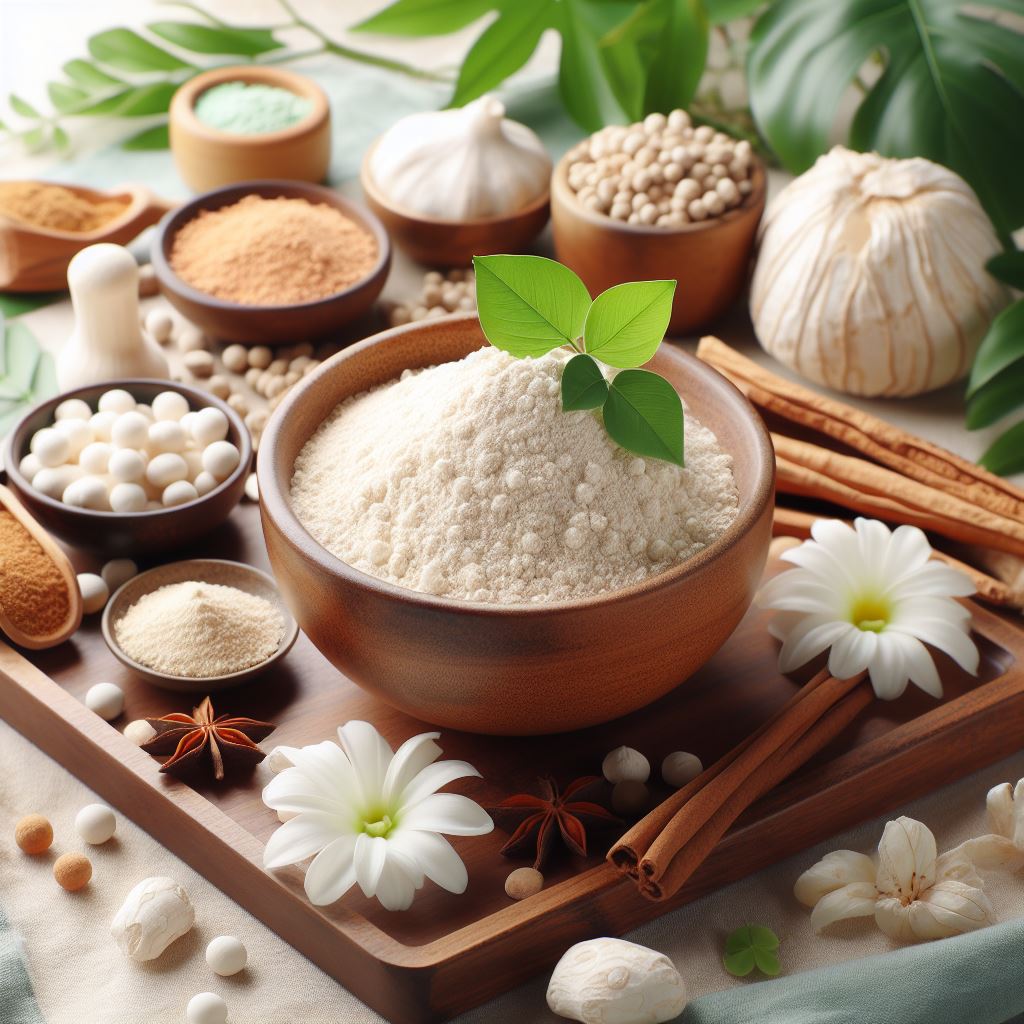
  1. Thickening Agent: Arrowroot can be used as a natural thickening agent in soups, stews, sauces, and gravies. Simply mix arrowroot powder with a small amount of water to form a slurry, then add it to your dish and simmer until thickened.
  2. Baking: Arrowroot flour can be used as a gluten-free alternative to wheat flour in baking recipes. It lends a light, airy texture to baked goods and is particularly well-suited for cookies, cakes, and muffins.
  3. Smoothies: Add a spoonful of arrowroot powder to your favorite smoothie recipe for an extra boost of nutrition and digestive support. Arrowroot’s mild flavor won’t overpower the taste of your smoothie, making it a versatile addition to any blend.
  4. Porridge: Arrowroot can be cooked into a creamy porridge by simmering it with milk or water until thickened. Season with cinnamon, nutmeg, or your favorite spices for a comforting and nutritious breakfast option.

Arrowroot vs. Other Remedies

While there are many natural remedies available for digestive problems, arrowroot offers several unique advantages. Unlike some remedies that may be harsh or abrasive on the stomach, arrowroot is gentle and well-tolerated by most individuals, making it suitable for those with sensitive stomachs or dietary restrictions.

Moreover, arrowroot’s versatility and neutral flavor make it easy to incorporate into a wide range of recipes, from savory to sweet. Whether you’re thickening a sauce, baking a batch of cookies, or blending up a smoothie, arrowroot provides a convenient and effective way to support digestive health.

Precautions and Considerations

While arrowroot is generally considered safe for most individuals, there are certain precautions and considerations to keep in mind when using it as a digestive remedy:

  1. Allergies: Individuals with allergies to other tubers or starchy roots, such as tapioca or potatoes, may also be allergic to arrowroot. If you have a known allergy to these foods, it’s important to exercise caution when using arrowroot and consult with a healthcare professional before incorporating it into your diet.
  2. Quality and Purity: When purchasing arrowroot products, it’s important to choose high-quality, organic options whenever possible to ensure purity and avoid potential contaminants. Look for products that are labeled as pure arrowroot powder or flour, with no added fillers or preservatives.
  3. Dosage: While arrowroot is generally safe to consume in moderate amounts, excessive intake may lead to digestive discomfort or bloating. It’s recommended to start with small amounts and gradually increase as tolerated, especially if you’re new to using arrowroot.
  4. Consultation with Healthcare Professional: If you have underlying health conditions or are taking medications, it’s advisable to consult with a healthcare professional before using arrowroot as a digestive remedy. They can provide personalized guidance based on your individual health status and help ensure that arrowroot is safe and appropriate for you.
  5. Infant Use: While arrowroot has historically been used as a weaning food for infants due to its easy digestibility, it’s important to exercise caution when introducing arrowroot to infants, especially those under six months of age. Consult with a pediatrician before incorporating arrowroot into your baby’s diet.

Conclusion

In conclusion, arrowroot stands as a versatile and effective natural remedy for digestive problems. From its soothing properties to its prebiotic effects, arrowroot offers a gentle yet powerful solution for alleviating gastrointestinal discomfort and promoting overall gut health.

Whether you choose to use arrowroot as a thickening agent in cooking, a gluten-free alternative in baking, or a nutritional supplement in smoothies, its neutral flavor and gentle nature make it a valuable addition to any digestive health regimen.

By understanding the science behind arrowroot’s digestive benefits, exploring practical ways to incorporate it into your diet, and following important precautions and considerations, you can harness the power of this humble root to support your digestive wellness journey.

Join us as we continue to delve deeper into the world of natural remedies and explore how arrowroot and other botanicals can help us achieve optimal health and vitality. Together, let’s embrace the healing power of nature and nourish our bodies from the inside out.